
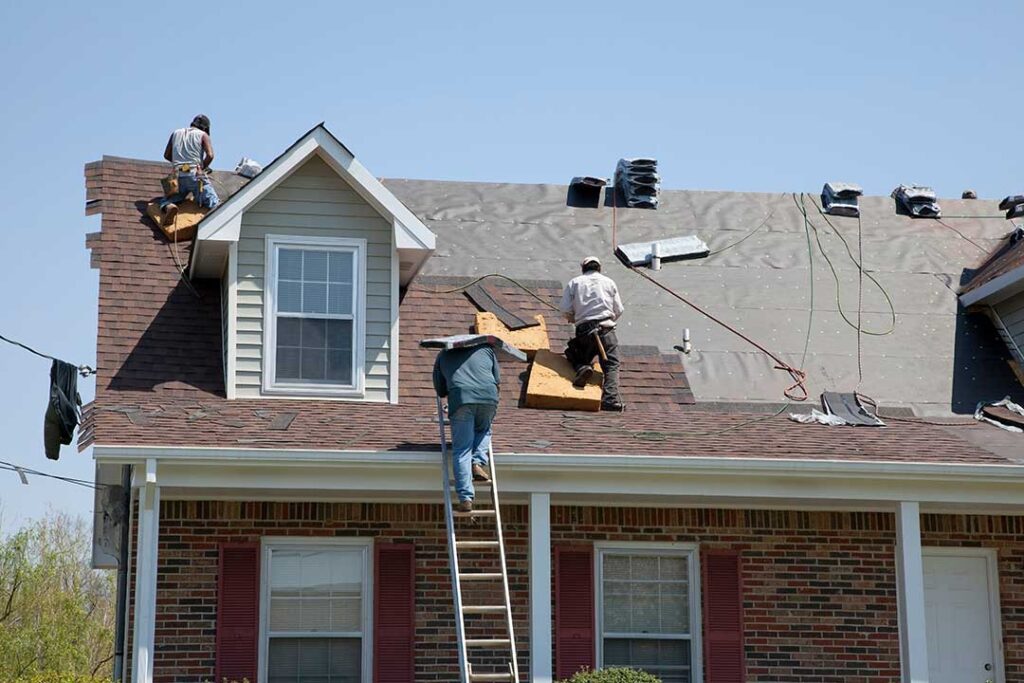
A roof problem that looks minor can become a much more expensive and disruptive issue when repairs are postponed. In Ithaca, NY, repeated rain, snow, ice, wind, freeze-thaw cycles, and changing temperatures can place steady stress on roofing materials.
Neglect does not always lead to immediate failure. More often, damage develops gradually beneath shingles, around flashing, inside attic spaces, and along ceilings and walls. Understanding the risks can help residents recognize problems before they affect the structure or indoor living conditions.
What happens when a small roof leak is ignored?
An unattended leak can damage more than the surface directly beneath it. Water may travel along roof framing, insulation, electrical wiring, and wall cavities before becoming visible inside the home.
A small ceiling stain may indicate that moisture has already entered the building assembly. By the time paint begins to bubble or drywall becomes discolored, the leak may have been active through several rain or snow events.
Common consequences include:
- Saturated insulation that loses much of its effectiveness
- Softened or stained ceiling and wall materials
- Deteriorated roof decking
- Rust or corrosion around metal fasteners and components
- Damp areas where mold and mildew can develop
- Damage to electrical components concealed in walls or ceilings
A roof does not need to be visibly dripping to be allowing water inside. Slow seepage can be especially difficult to detect because it may dry between storms while continuing to weaken materials.
Why is roof damage especially concerning during Ithaca winters?
Cold-weather conditions can turn minor weaknesses into recurring sources of damage. Water that enters a crack, loose flashing joint, or damaged shingle may freeze as temperatures drop. When water freezes, it expands, placing additional pressure on the surrounding material.
Repeated freezing and thawing can gradually enlarge openings. Ice and snow can also add weight to the roof, while wind may lift or loosen already compromised shingles.
Winter conditions can create several problems at once:
- Ice forming around roof edges and drainage paths
- Snow covering damage that would otherwise be easy to see
- Water backing up beneath roofing materials
- Brittle or cracked sealants and flashing
- Delayed drying because of low temperatures and limited sunlight
A roof that appears acceptable during a dry autumn inspection may reveal leaks after several cycles of snow, ice, and thawing.
Can neglected roof repairs affect the structure of a house?
Yes. Long-term moisture can weaken the wood components that support the roof and upper portions of the building. Roof decking, rafters, trusses, and wall plates may deteriorate if they remain damp for extended periods.
Structural damage does not always produce an obvious warning. Possible signs include:
- Sagging areas on the roof surface or ceiling
- Doors or windows that begin sticking near a damaged wall
- Cracking or staining that repeatedly returns
- A musty odor in the attic
- Visible mold or darkened wood
- Insulation that feels wet or compressed
These signs do not prove that a structural failure is occurring, but they should not be dismissed. A roof that is sagging, severely damaged, or under unusual snow or ice loads presents a safety concern. People should avoid walking on it or entering unsafe areas until the condition has been evaluated appropriately.
How can delayed repairs affect indoor air quality?
Persistent roof leaks can create damp conditions in attics, ceilings, and wall cavities. Those areas may remain hidden from view, allowing moisture-related problems to continue.
Mold growth depends on moisture, temperature, and available organic materials. Wood, paper-backed drywall, dust, and some insulation materials can support growth when they stay damp. Even when mold is not visible, a persistent musty smell may indicate that moisture is present somewhere in the building assembly.
Indoor air concerns may be more noticeable in homes with limited attic ventilation, enclosed roof areas, or rooms that are rarely used. People with asthma, allergies, or other sensitivities may be more affected by damp indoor conditions, although any persistent moisture problem deserves attention.
Simply painting over a stain or cleaning a visible patch does not solve the underlying cause. The source of water must be identified, and wet materials may need to dry or be replaced.
Does a damaged roof always need immediate repair?
Not every roofing defect represents the same level of urgency, but some conditions should be addressed promptly. A missing shingle, exposed underlayment, active leak, damaged flashing, or visible opening can allow additional water intrusion during the next storm.
Urgency is higher when:
- Water is entering living areas
- The ceiling is bulging or sagging
- Electrical fixtures are near a leak
- Roofing materials have blown away
- A large tree branch has struck the roof
- The roof structure appears uneven or weakened
- Snow or ice is creating unusual loading
Water near electrical wiring creates a serious hazard. Avoid touching wet fixtures, switches, or wiring, and keep people away from areas where the ceiling appears unstable.
Temporary measures may reduce exposure during a short delay, but they should not be treated as a permanent repair. Covering a damaged area without addressing trapped moisture can conceal worsening deterioration.
What roof problems are easy to overlook?
Some of the most damaging conditions are not visible from the ground. Flashing around chimneys, vents, skylights, and roof intersections can fail before large sections of shingles appear worn.
Other overlooked areas include:
- Valleys where two roof slopes meet
- Roof edges and eaves
- Ventilation openings
- Gutters and downspouts
- Areas beneath snow or accumulated debris
- Attic insulation with darkened or damp sections
Blocked drainage can also contribute to damage. Leaves, twigs, ice, and other debris may prevent water from moving away from the roof. Water that repeatedly spills over the same edge can damage trim, siding, soffits, and nearby foundation areas.
Homes with older roofing, additions, multiple roof angles, or enclosed attic spaces may have more locations where water can collect or travel unnoticed.
How can residents recognize a developing roof problem?
Regular observation is useful, especially after strong wind, heavy rain, or a major snow event. From the ground, residents can look for missing, lifted, curled, cracked, or unusually dark roofing materials.
Inside the home, check attic areas and upper ceilings for:
- New stains or discoloration
- Damp insulation
- Peeling paint
- Musty odors
- Dripping or damp framing
- Daylight visible through roof boards
It is safer to inspect from accessible interior areas than to climb onto a wet, icy, steep, or damaged roof. Roof inspections can be hazardous even when the damage appears minor.
Keeping a record of when stains, odors, or leaks appear can also help distinguish storm-related intrusion from plumbing condensation or other moisture sources. Recurring problems after rain or thawing deserve particular attention.
Why is early repair usually less disruptive?
Early repairs can limit the number of materials affected. A small flashing problem may involve only a localized area, while months of leakage can spread into decking, insulation, drywall, framing, and flooring.
Delayed work may also create secondary disruptions. Rooms may need to be cleared, wet materials may require removal, and hidden moisture can extend the time needed for drying and restoration.
The practical concern is not only cost. Neglected roof damage can affect comfort, storage areas, electrical safety, household routines, and the ability to use parts of the home during wet or cold weather.
For area households, seasonal preparation is especially useful. Before winter, inspect visible roof surfaces, drainage paths, attic areas, and roof penetrations. After major storms, look for changes that were not present before. Prompt attention to small warning signs can help prevent a roof defect from becoming an indoor, structural, or safety problem.
