
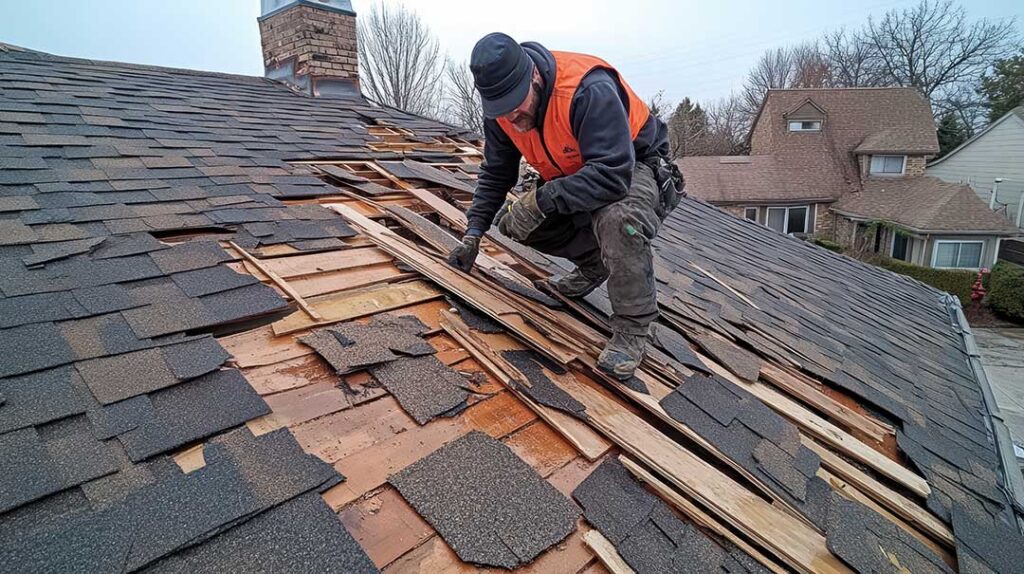
What Does a Roof Warranty Actually Cover?
Most roof warranties protect against specific problems, but they don’t cover every issue homeowners might encounter. Generally, there are two primary types of coverage:
- Manufacturer warranties focus on defects in the roofing materials themselves, such as shingles failing before their expected lifespan.
- Workmanship warranties are provided by installers and address mistakes in the installation process.
In many cases, residents are surprised to discover that common events—like damage from high wind, fallen branches, or poorly maintained gutters—fall outside standard warranty coverage. Reading the fine print before starting any roofing project helps clarify what protections are truly included.
How Long Do Roof Warranties Last?
Length varies widely. Basic manufacturer warranties for asphalt shingles often last 20 to 30 years, while “lifetime” options may be available for premium materials. Workmanship warranties tend to be shorter but can offer peace of mind during the initial years after installation.
Keep in mind:
- The time stated may be prorated, meaning coverage lessens as the roof ages.
- Some upgrades, such as choosing a specific class of shingle, may extend protection.
- Transferability (if you sell your home) is not always automatic and might require a fee or paperwork.
Are Weather-Related Problems Included?
Many residents in the area deal with snow, ice dams, freezing rain, and sudden wind gusts. Most standard warranties do not cover roof leaks or failures caused by severe weather or acts of nature. Instead, this type of damage is typically managed through homeowners insurance rather than a standard warranty.
A few premium warranty options may offer limited weather coverage, but these typically require meeting strict installation and maintenance requirements—such as using specific products together as a "system."
What Voids a Roof Warranty?
Warranties contain conditions that, if not met, could render them void—meaning any potential claim can be denied. Common pitfalls include:
- Improper installation: Work not done according to the manufacturer’s exact instructions.
- Unauthorized repairs: DIY fixes or repairs by individuals not certified by the product manufacturer.
- Layering new shingles over old ones: Most manufacturers insist on a complete tear-off for full coverage.
- Poor attic ventilation: Inadequate airflow can shorten roof life and impact warranty eligibility.
- Neglected maintenance: Failing to keep gutters clean, remove moss, or address minor issues promptly.
Residents should ask for documentation and regular inspections to ensure their roofs remain compliant with all warranty terms.
What Maintenance Responsibilities Do Homeowners Have?
Even with a warranty, maintaining the roof is the homeowner’s responsibility. Tasks typically expected include:
- Clearing leaves, branches, or ice dams that could cause water backup.
- Checking for missing, broken, or curling shingles after storms.
- Ensuring gutters and downspouts function properly.
- Addressing algae or moss growth before it damages the roofing material.
Inadequate maintenance may give manufacturers or installers a valid reason to deny a claim.
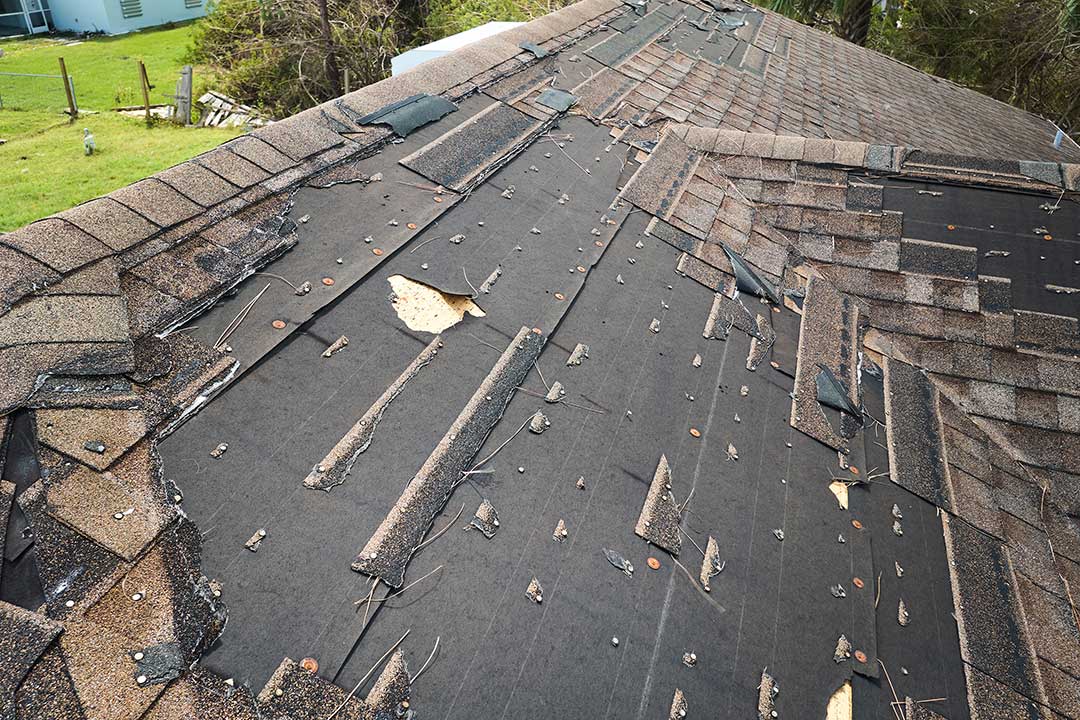
How Do Roof Warranties Work with Older Homes?
Ithaca has a mix of historic and newer houses. For homes with multiple layers of roofing or older substrates, warranty options often narrow:
- Many manufacturers require a complete tear-off, not just re-roofing over existing layers, for coverage.
- Structural issues or existing water damage may exclude a property from eligibility or limit the period covered.
Owners of older homes should clarify all details with the warranty issuer and expect additional requirements during installation.
Can Roof Warranties Be Transferred to New Owners?
Some warranties allow transfer after a home sale, but there are typically restrictions. Examples include:
- A narrow window (often 30–60 days) after sale to complete the transfer.
- Possible administrative fees or paperwork.
- Limitations after transfer—such as reduced coverage years or shifting from full to prorated terms.
Potential buyers in the area may want to ask for proof of warranty and transfer documentation during a real estate transaction to ensure future protection.
What Are the Most Common Misunderstandings?
Several misconceptions about these agreements can leave local households unprepared:
- Believing all leaks or damages are automatically covered.
- Assuming lifetime warranties are comprehensive, when many only provide partial value after a certain age.
- Not realizing that neglecting small repairs or routine upkeep can quickly void an otherwise valid warranty.
- Failing to distinguish between coverage for materials and for workmanship, both of which may be needed for full protection.
Understanding these distinctions helps households in the community make informed decisions, avoid unpleasant surprises, and extend the lifespan of their investment in a roof.
