
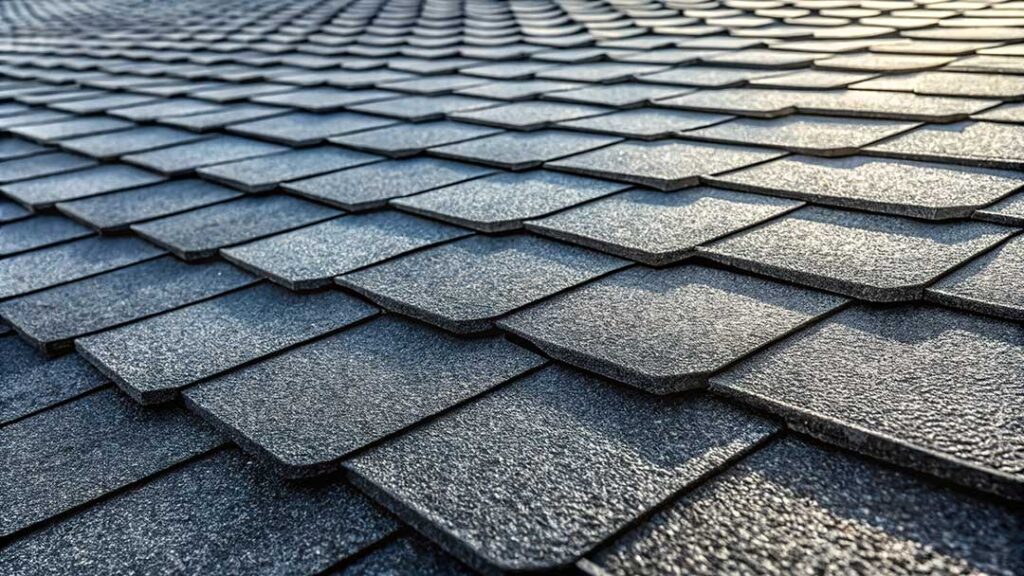
Winter weather places several types of stress on a roof at once: snow weight, freezing temperatures, wind, ice formation, and repeated thawing and refreezing. Preparing before the first major storm helps identify small problems while they are still easier and safer to address.
What should homeowners check before winter?
A pre-winter roof check should focus on water entry, loose materials, drainage, attic conditions, and areas where snow or ice may collect. From the ground, look for visible warning signs such as:
- Missing, cracked, curled, or lifted shingles
- Exposed or damaged flashing around chimneys, skylights, vents, and roof-to-wall intersections
- Sagging roof lines or visibly uneven sections
- Rusted, loose, or displaced metal components
- Gutters pulling away from the fascia
- Excessive moss or debris that may hold moisture
- Daylight visible through the roof boards from inside the attic
Do not climb onto an icy, wet, or steep roof for a seasonal inspection. A ground-level review using binoculars can reveal many concerns, while attic observations may identify leaks that are not yet visible on ceilings.
Why does Ithaca weather require special attention?
Ithaca typically experiences extended periods of freezing weather, regular snowfall, and cycles in which snow or ice partially melts before temperatures drop again. Local climate records show average annual snowfall of roughly 60 inches, although individual winters can vary considerably.
That freeze-thaw pattern matters because water can enter small openings, freeze, expand, and enlarge the damage. Ice may also collect at roof edges, gutters, valleys, and areas where warm air escapes from the building. Older homes, additions, porches, and roof sections with different slopes can be especially prone to uneven snow accumulation.
The roof itself is not the only concern. Snow sliding from a higher roof section can pile against lower roofs, decks, entryways, vents, or parked vehicles. Wind can also create drifts behind chimneys, dormers, and other raised features.
How can gutters and downspouts be prepared?
Gutters should be cleared of leaves, roof granules, twigs, and other debris before temperatures remain below freezing. Blocked gutters can hold water against the roof edge and fascia, increasing the chance of ice buildup and interior moisture problems.
Check that:
- Gutters are firmly attached and do not sag
- Downspouts are connected and unobstructed
- Water is directed away from the foundation
- Extensions or splash protection remain in place
- Water cannot discharge onto walkways where it may freeze
Gutters do not prevent every ice dam, and adding a cover does not eliminate the need for inspection. A covered gutter can still contain compacted debris or develop an obstruction at the outlet.
What attic conditions help prevent ice dams?
Ice dams are usually connected to uneven roof temperatures. Heat escaping into the attic can warm parts of the roof, allowing snow to melt. The water then flows toward colder eaves, where it refreezes and forms a ridge of ice.
The most useful preventative measures are adequate attic insulation, good air sealing around ceiling penetrations, and continuous ventilation designed for the roof assembly. Common air-leak locations include:
- Attic hatches
- Recessed light fixtures
- Plumbing and electrical penetrations
- Ductwork openings
- Chimney or flue clearances
- Bathroom exhaust fan housings
Bathroom and kitchen exhaust fans should discharge outdoors through properly installed ducts, not into the attic. Moist indoor air can condense on cold roof sheathing, leading to damp insulation, mold growth, wood deterioration, and frost accumulation.
Ventilation should not be improvised by blocking insulation or cutting openings without understanding the roof design. Poorly placed vents can allow snow or wind-driven rain into the attic.
Should snow be removed from a residential roof?
Most roofs are designed to support expected winter loads, but snow removal may be warranted when accumulation is unusually deep, wet, drifting, or uneven. Wet snow weighs substantially more than light, powdery snow, and repeated storms can create layered buildup.
Warning signs of excessive roof loading include:
- New sagging in the roof or ceiling
- Doors or windows that suddenly stick
- Cracking sounds from the structure
- Cracks in walls or ceilings
- Roof leaks that begin during or after heavy accumulation
- Large drifts concentrated near valleys, dormers, chimneys, or roof transitions
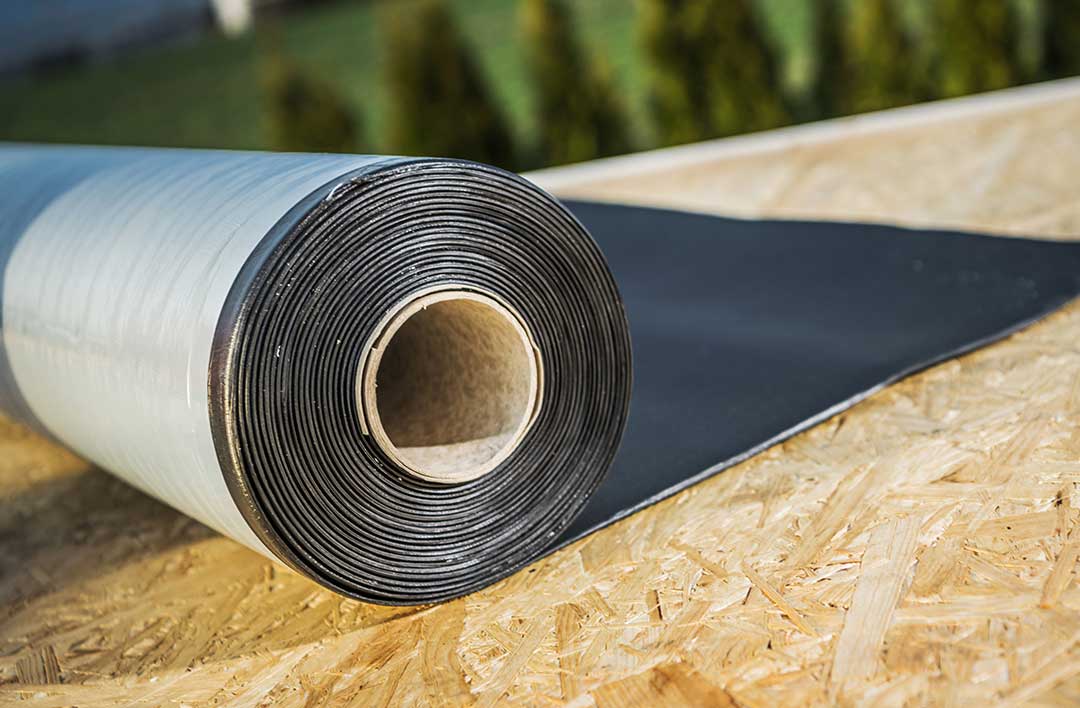
Homeowners should not walk on a snow-covered roof or use improvised tools from a ladder. Falling snow and ice can injure people, damage siding, and break windows. Metal tools can also damage shingles and expose the roof deck.
If snow removal is necessary because of unusual accumulation or visible structural distress, the work should be handled with appropriate equipment and knowledge of the building’s roof design. New York’s building standards account for snow loading, but the actual condition of an older structure, past alterations, hidden deterioration, and drifting patterns can affect how much weight a particular roof can safely carry.
How should chimneys, vents, and flashing be checked?
Roof penetrations are common sources of winter leaks. Before snow covers these areas, inspect flashing around chimneys, plumbing vents, skylights, and mechanical vents for gaps, lifted edges, cracked sealant, or rust.
A chimney should also be checked for loose masonry, damaged mortar, a missing or deteriorated cap, and signs that water is entering around the base. Snow and ice can make small defects more difficult to locate later.
Plumbing vents should remain clear of snow and ice. A blocked vent can contribute to plumbing problems and may interfere with proper drainage of household fixtures. Mechanical vents should not be covered or redirected in a way that allows exhaust to enter the attic or living space.
What should be done inside the home?
Inspect ceilings, upper-floor walls, attic insulation, and roof framing for stains, dampness, peeling paint, or musty odors. A roof leak may appear several feet away from the actual entry point because water can travel along rafters, sheathing, or insulation.
Before winter storms arrive, locate the home’s main water shutoff, know how to safely access the attic, and keep a flashlight available. If a leak develops, place a container under active dripping and move belongings away from the area. Avoid standing beneath bulging ceilings, which may contain trapped water.
Check smoke and carbon monoxide alarms, particularly if the home uses fireplaces, wood stoves, gas appliances, or other combustion equipment. Roof and attic work should not obstruct vents or create unsafe clearances around chimneys and flues.
What should homeowners avoid during winter?
Several common responses can create more damage than they prevent:
- Do not use salt or chemical ice melt on shingles.
- Do not chip ice aggressively with a hammer, shovel, or axe.
- Do not use an open flame or torch to melt ice.
- Do not cover roof vents with plastic or insulation.
- Do not assume a leak is harmless because it stops during dry weather.
- Do not place ladders on unstable snow or icy ground.
- Do not ignore repeated ice buildup at the same roof edge.
A recurring problem usually points to an underlying issue involving drainage, insulation, ventilation, flashing, roof geometry, or indoor moisture.
When does a roof problem require immediate attention?
Urgent attention is appropriate when there is active water entry, structural sagging, a partially collapsed ceiling, exposed electrical wiring near moisture, major wind damage, or a large amount of snow concentrated on a visibly weakened area.
Until conditions are safe, keep people away from the affected space and avoid walking below hanging ice or unstable snow. Winter preparation is most effective when completed before severe weather, while the roof, attic, gutters, and drainage paths can still be inspected safely.
