
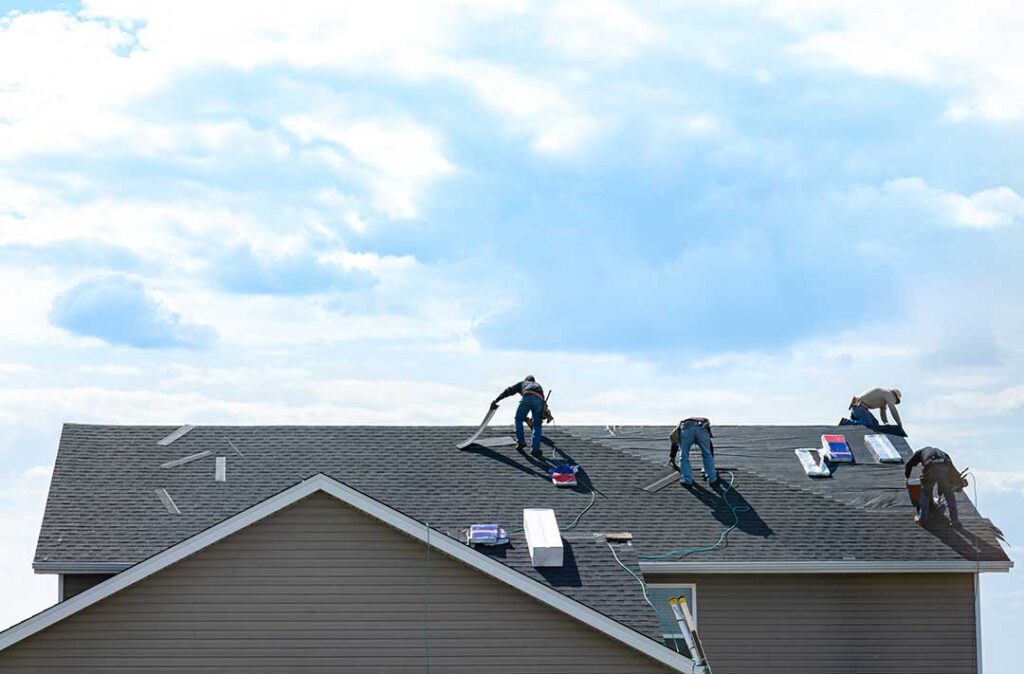
Renovation work can expose a roof to damage long before the finished project is complete. Open roof sections, falling materials, foot traffic, dust, temporary supports, and blocked drainage can all allow water into a home or shorten the life of the roof covering.
In Ithaca, NY, careful planning matters because renovation work may face rain, snow, freeze-thaw cycles, wind, and wet materials during the same project. The safest approach is to treat the roof as an active part of the building envelope throughout construction, not as an area that can remain unprotected until the final stage.
Which renovation activities can damage a roof?
Roof damage is not limited to a roof replacement. Many projects create risks from above, below, or along the roof edge.
Common examples include:
- Adding a dormer, skylight, chimney, vent, solar equipment, or roof deck
- Replacing siding or windows near the roofline
- Building an addition that meets an existing roof
- Installing insulation or electrical wiring through attic areas
- Removing ceilings or walls beneath roof valleys
- Using ladders, scaffolding, hoists, or temporary supports
- Storing lumber, tools, or debris on the roof
- Washing dust, mortar, paint, or sawdust toward gutters and downspouts
Even work that does not directly remove shingles can loosen flashing, crack roofing materials, puncture underlayment, or disturb the seals around vents and penetrations.
How should the roof be inspected before work begins?
A pre-renovation inspection creates a useful record and identifies weak areas before workers begin. Look for missing, cracked, curled, or loose roofing materials; exposed fasteners; soft roof decking; damaged flashing; clogged gutters; and signs of staining or dampness in the attic.
Photographs should show roof edges, valleys, wall intersections, chimneys, skylights, vents, and interior ceilings beneath the work area. These images can help distinguish pre-existing conditions from damage caused during construction.
The roof’s age and condition also affect the renovation plan. A roof that is already near the end of its service life may not tolerate repeated foot traffic or the installation of new penetrations. If decking is soft, water-soaked, or visibly deteriorated, it should not be treated as a reliable base for additional roofing work.
How can an open roof section be protected from rain?
An exposed roof area should be covered before the workday ends or before weather conditions deteriorate. Temporary protection must shed water beyond the disturbed area rather than trapping it against the roof deck or wall.
Suitable temporary protection generally includes:
- Properly secured roofing underlayment or a purpose-made construction tarp
- Overlapping layers that direct water downhill
- Fastening methods that do not create unnecessary holes in the roof
- Covered valleys, wall intersections, and roof openings
- A protected transition between the temporary covering and existing shingles
Loose tarps can lift in wind, collect water, and damage shingles through rubbing. Tarp edges should not block gutters, cover ventilation openings, or allow runoff to drain behind siding or trim.
A tarp is temporary protection, not a finished roof. It should be checked after strong wind, heavy rain, or snow and removed or replaced when permanent weather protection is installed.
What should happen around skylights, vents, chimneys, and walls?
Roof penetrations are common points of failure during remodeling. Any opening should have a planned flashing and weatherproofing detail before it is cut.
The sequence matters. Flashing should direct water over the roofing surface, not behind it. Roofing materials, underlayment, step flashing, counterflashing, and sealants must be compatible with one another and installed according to the applicable requirements.
Particular care is needed where a new addition meets an older roof. Water may follow framing, sheathing, or flashing for some distance before appearing as an interior stain. A small visible drip does not always identify the actual entry point.
Avoid relying on caulk as the primary defense. Sealants can support a flashing system, but they do not replace properly layered weather protection.
How can construction traffic be kept from damaging shingles?
Roof traffic should be limited to necessary work and confined to planned access paths. Asphalt shingles can lose surface granules, crack, or become displaced when stepped on, especially in cold weather or when the roof is steep or damp.
Workers should avoid:
- Walking on wet, icy, or snow-covered roof surfaces
- Dragging ladders, boards, metal tools, or equipment across shingles
- Placing heavy materials near valleys, eaves, or unsupported areas
- Driving fasteners through roofing without a planned flashing detail
- Cutting materials directly on the roof surface
- Allowing loose nails and screws to remain in gutters or on the roof
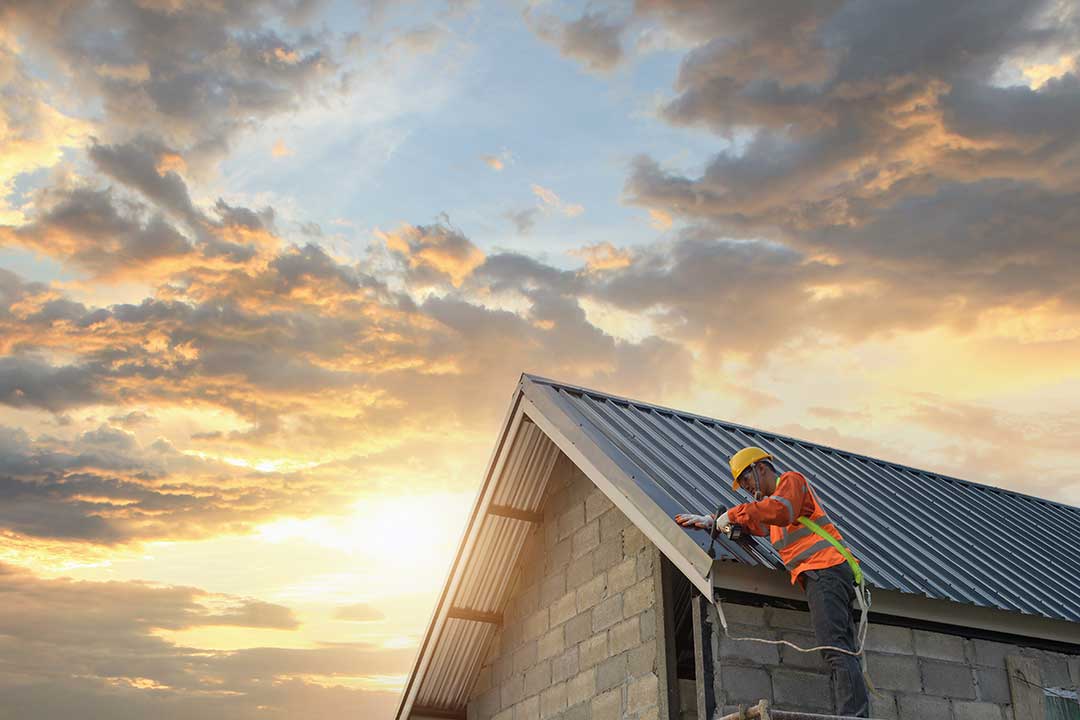
Cold-weather conditions deserve extra caution. Roofing materials can become less flexible, and snow or ice can conceal damaged areas. Footwear, fall protection, and access equipment should be appropriate for the slope and weather. Falls from roofs and scaffolding can cause serious injury, so hazardous access should not be improvised.
How should gutters and drainage be protected?
Gutters and downspouts need to remain functional during renovation. Roof runoff that cannot drain properly may back up beneath roofing materials, spill against siding, or collect near the foundation.
Before work begins, confirm that:
- Gutter outlets are open
- Downspouts discharge safely away from the foundation
- Temporary coverings do not direct water behind gutters
- Construction debris is removed before it hardens or blocks drainage
- Sanding dust, mortar, paint chips, and sawdust are kept out of downspouts
Temporary extensions may be needed if scaffolding, a new wall, or ground protection changes where water lands. Gutters should be cleaned again after exterior work is complete.
When should renovation work be postponed?
Roof work should be delayed when rain, strong wind, lightning, ice, or accumulating snow makes safe access or reliable weatherproofing unlikely. A short delay is generally less damaging than leaving a roof opening exposed or allowing workers to operate on slippery surfaces.
Late fall and winter projects require special planning in this region. Materials may not bond or seal as expected when temperatures are low, and repeated freeze-thaw cycles can expose small weaknesses. Snow should not be piled against temporary roof coverings, vents, skylights, or wall intersections.
If a roof must remain open overnight, the temporary enclosure should be secure, watertight, and checked from the attic as well as from the exterior.
Are permits or inspections needed for roof-related renovations?
Permit requirements depend on the type and extent of work. Structural changes, additions, new roof openings, alterations to supporting members, and certain exterior projects may require approval under New York State and local building requirements.
A renovation plan should identify whether the work changes roof structure, drainage, insulation, ventilation, fire separation, or the building envelope. Permit and inspection questions should be resolved before materials are removed, particularly for projects involving dormers, additions, structural framing, or major roof replacement.
The applicable code also requires roof assemblies and flashing to provide weather protection. Existing roof coverings may not be suitable for recovery if they are water-soaked, badly deteriorated, or already covered by multiple layers.
What should be checked when the renovation is finished?
A final roof review should take place before temporary protection is removed and before interior finishes conceal the work. Check for loose or missing roofing materials, exposed fasteners, damaged flashing, open seams, blocked vents, displaced gutters, and debris in valleys or drainage paths.
Inside the attic and upper rooms, look for damp insulation, fresh stains, soft sheathing, musty odors, or daylight where it should not be visible. After the first substantial rainfall, inspect those areas again because some leaks appear only under wind-driven rain.
A renovation is not complete from the roof’s perspective until water has a continuous path from the upper roof surface into the drainage system without entering the building along the way.
