
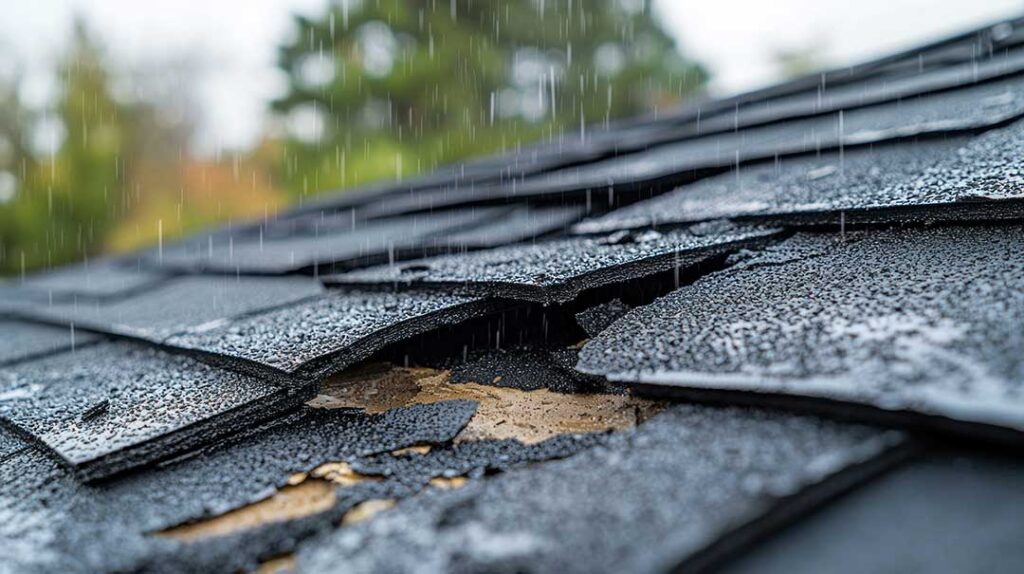
Roof repairs often fail for reasons that are easy to overlook: the wrong materials, poor timing, hidden moisture, or a temporary patch applied to a larger problem. In Ithaca, NY, seasonal snow, freeze-thaw cycles, heavy rain, and older housing can make small mistakes more expensive over time.
Knowing which errors are common can help residents recognize problems early and make safer, more informed decisions.
What is the most common roof repair mistake?
The most common mistake is treating a visible symptom without finding the source of the leak. Water rarely enters exactly where it appears on a ceiling or wall.
For example, a stain near an upstairs window may come from:
- Damaged shingles several feet uphill
- A failed roof-to-wall flashing joint
- An open seam around a vent
- Ice-related water backup near the eaves
- Condensation in a poorly ventilated attic
Water can travel along roof decking, rafters, insulation, and drywall before becoming visible. Replacing one shingle directly above the interior stain may not solve the problem.
A better approach is to trace the moisture path from the attic or roof surface, looking for wet insulation, darkened wood, rusted fasteners, or water marks. If the leak is active, temporary measures should focus on stopping additional water entry while the full cause is investigated.
Why is patching over old roofing materials risky?
A patch placed over deteriorated roofing may hide damage without restoring the roof’s ability to shed water. This is especially risky when shingles are brittle, curled, cracked, or missing their protective surface granules.
Layering new material over old material can also conceal:
- Rot in the roof decking
- Loose or corroded flashing
- Damaged underlayment
- Poorly sealed penetrations
- Previous repairs that were installed incorrectly
A small, isolated repair can be reasonable when the surrounding roofing is sound. However, repeated patching in the same area may indicate that the problem is broader than a single damaged shingle. Covering decay does not stop it, and trapped moisture can continue weakening the structure beneath.
How does using the wrong roofing material cause problems?
Roofing products are designed to work as part of a system. Shingles, underlayment, flashing, sealants, ventilation components, and fasteners must be compatible with one another.
Common material mistakes include using:
- Interior caulk instead of exterior roofing sealant
- Incompatible metals at flashing joints
- Fasteners that are too short or not corrosion-resistant
- Shingles that do not match the roof’s existing exposure or profile
- Improvised materials that become brittle in cold weather
- Roofing cement in places where mechanical flashing is needed
In a climate with repeated freezing and thawing, materials expand, contract, and become exposed to wind-driven rain. A product that seems secure during a warm, dry afternoon may crack, loosen, or pull away after several weather cycles.
Matching the existing roof is not only a matter of appearance. Differences in shingle design can affect water flow, fastening, and the way adjoining sections overlap.
Why should flashing never be treated as a minor detail?
Flashing is one of the most failure-prone parts of a roof because it protects the joints where water is most likely to enter. These areas include chimneys, sidewalls, valleys, skylights, plumbing vents, and roof edges.
A common repair mistake is sealing over old flashing with a thick layer of caulk. Sealant can provide short-term protection, but it is not a substitute for properly installed metal or membrane flashing. It can shrink, split, or separate from the surface.
Another mistake is bending or cutting flashing without maintaining the correct overlap. Water may then move behind the flashing instead of over it.
Flashing repairs should account for how water flows downhill, how adjoining materials move, and whether the area can shed snow and ice without trapping moisture.
What roof ventilation mistakes should homeowners avoid?
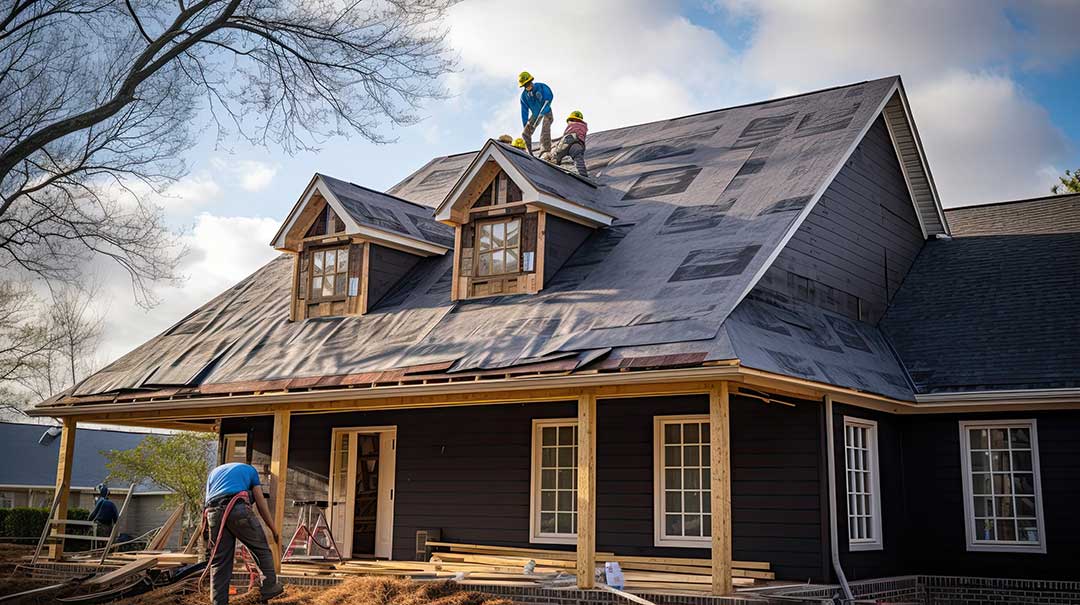
Poor attic ventilation can contribute to moisture, mold, wood decay, and premature shingle aging. A common misunderstanding is that adding a single roof vent automatically fixes ventilation.
Effective attic ventilation generally requires balanced intake and exhaust airflow. Blocking soffit vents with insulation, installing too much exhaust ventilation, or relying only on powered fans can create uneven air movement.
Other problems include:
- Insulation covering intake openings
- Bathroom or kitchen exhaust vented into the attic
- Missing insulation around attic penetrations
- Air leaks from the living space entering the attic
- Condensation forming on cold roof surfaces
During cold weather, warm indoor air can enter a poorly sealed attic and condense on nails, roof decking, and framing. This moisture may be mistaken for a roof leak. Inspecting the attic during or shortly after wet weather can help distinguish rain intrusion from condensation.
Why is repairing a roof in poor weather a mistake?
Wet, icy, windy, or extremely cold conditions make roof work less reliable and more dangerous. Shingles may not seal properly in cold temperatures, wet surfaces increase slipping risk, and snow can hide damaged areas.
Winter conditions also make it harder to identify the original source of a leak. Ice and snow can redirect water, cover flashing, and conceal missing shingles.
A temporary emergency measure may be necessary to limit interior damage, but permanent repairs are usually more dependable when surfaces are dry and visible. Any roof with significant snow or ice should be approached cautiously. Walking on frozen or snow-covered roofing can damage shingles and create a serious fall hazard.
Is removing ice from the roof always a good idea?
Aggressively chopping ice can damage shingles, membranes, gutters, and flashing. It can also create falling ice hazards around entryways and walkways.
Ice near the eaves may be associated with uneven roof temperatures, air leakage, inadequate insulation, or snow buildup. Removing only the visible ice does not correct those underlying conditions.
Residents should avoid using sharp tools, open flames, or corrosive chemicals on roofing. If snow or ice is creating immediate danger, the safest response depends on the roof design, weather conditions, and access to the affected area.
What mistakes happen after a repair is completed?
A repair is not finished simply because the roof looks dry from the ground. The area should be checked for loose materials, exposed fasteners, open seams, damaged underlayment, and debris left in drainage paths.
Gutters and downspouts deserve attention as well. Leaves, shingle granules, and repair debris can block water flow. Overflowing gutters may send water against fascia boards, siding, foundations, or lower roof sections.
After a significant repair, it is useful to inspect the attic and nearby ceilings during the next substantial rain. New staining, damp insulation, musty odors, or peeling paint can indicate that water is still entering or that trapped moisture has not dried.
When does a roof problem require more than a simple repair?
A larger evaluation may be necessary when leaks are recurring, multiple roof areas are damaged, decking feels soft, shingles are failing across a broad section, or interior damage continues after repairs.
Safety concerns also change the situation. Roofs with steep slopes, unstable surfaces, electrical hazards, structural sagging, or substantial snow and ice should not be treated as routine do-it-yourself projects.
The most reliable repair decisions come from identifying the source of water, understanding the condition of the surrounding roof system, and correcting related ventilation or drainage problems. In older homes and buildings exposed to Ithaca’s seasonal weather, a narrow patch may solve the visible symptom while leaving the cause untouched.
