
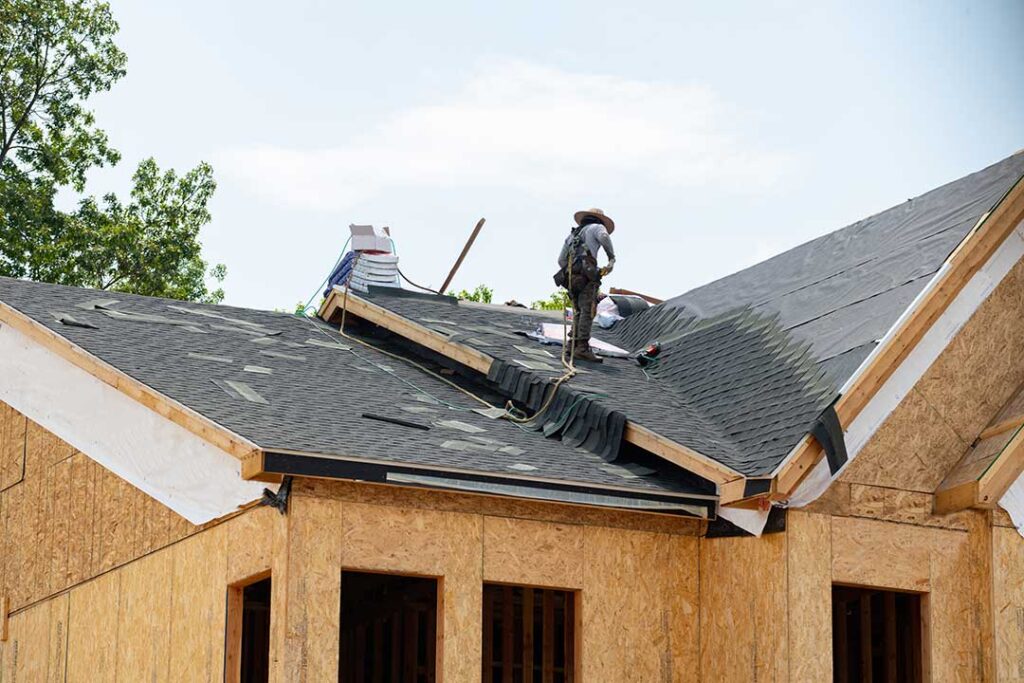
Sports balls seem harmless compared with falling branches or severe weather, but repeated impacts can damage roofing materials. A baseball, softball, soccer ball, basketball, or hockey ball can crack brittle components, loosen protective granules, dent metal, or create openings that allow water into the roof system.
For homeowners in Ithaca, NY, the risk is more noticeable during warm-weather months, when children and adults use yards, driveways, and nearby open spaces for recreation. A roof does not need to show a dramatic hole to have sustained damage. Small impact marks can become larger problems after rain, freezing temperatures, snow, and repeated thawing.
What parts of a roof can a sports ball damage?
The most vulnerable areas are usually shingles, flashing, vents, gutters, skylights, and other exposed roof components. Damage depends on the ball’s size, speed, hardness, and angle of impact.
Common examples include:
- Asphalt shingles: A hard ball can remove surface granules, split a shingle, or expose the fiberglass mat beneath.
- Metal roofing: Impacts may leave dents, especially in softer panels or thin flashing.
- Ridge and plumbing vents: Plastic vent covers can crack or break when struck directly.
- Skylights: Acrylic or polycarbonate skylights may scratch, crack, or develop stress fractures.
- Gutters and downspouts: These can be dented or pulled out of alignment by repeated impacts.
- Chimney flashing: A ball may bend thin metal flashing or loosen a seal around the chimney.
- Roof-mounted equipment: Small exterior components, such as satellite dishes or vent caps, can shift or break.
A ball usually causes more damage when it hits a roof edge, corner, vent, or flashing joint rather than the broad, flat center of a roof slope.
Which sports balls are most likely to cause damage?
Hard baseballs, softballs, lacrosse balls, and hockey balls generally pose the greatest impact risk. Their dense construction allows them to transfer substantial force to a relatively small area.
Soccer balls, basketballs, and volleyballs are softer and larger, so they often cause less concentrated damage. However, a fully inflated ball kicked or thrown at close range can still crack a vent cover, dent metal, or loosen a gutter.
A tennis ball is less likely to damage intact shingles, but repeated impacts can still wear away granules or affect fragile components. Wet or frozen balls may also behave differently. A partially frozen ball is harder and heavier than it would be under ordinary conditions.
The height and distance involved matter as well. A ball thrown from a yard may strike a lower roof slope with moderate force. A ball hit upward by a bat or racket can reach a higher roof with much greater speed.
How can someone tell if a ball damaged the roof?
Some damage is visible from the ground, while other problems require a closer inspection from a safe location. Useful signs include:
- Bare or unusually dark patches on asphalt shingles
- Cracked, split, curled, or displaced shingles
- Dents in metal flashing, gutters, or roof panels
- A cracked vent cover or skylight
- Shingle granules collecting in gutters after a recent impact
- Water stains on ceilings or upper walls
- Damp insulation or musty odors in an attic
- A loose gutter section or downspout
- Daylight visible through a roof or vent opening
A fresh impact mark may appear as a small circular depression, a scuffed area, or a spot where the shingle surface looks smoother than the surrounding material. On older roofs, it can be difficult to distinguish ball damage from ordinary weathering, wind wear, or previous hail impacts.
Water stains may not appear immediately. Moisture can travel along roof decking, rafters, or insulation before becoming visible indoors.
Why is minor impact damage more serious in this climate?
Weather conditions in Ithaca can turn a small defect into a recurring leak. Moisture that enters beneath a damaged shingle may freeze during winter, expand, and place additional pressure on the surrounding material. Repeated freeze-thaw cycles can widen cracks and loosen roofing components.
Snow and ice can also conceal damage for weeks or months. A roof may appear undisturbed after winter, while hidden moisture has affected the decking or insulation below. Spring rain can then reveal staining or active dripping.
Older roofing materials are more vulnerable because they may already have reduced flexibility, weakened seal strips, or areas of exposed underlayment. A ball that would leave only a mark on a newer roof could split or dislodge a weathered shingle.
Can a sports ball cause a roof leak without leaving a hole?
Yes. A leak does not require a large opening. A ball can break the seal between overlapping shingles, loosen flashing, crack a vent, or create a small tear that directs water beneath the roof covering.
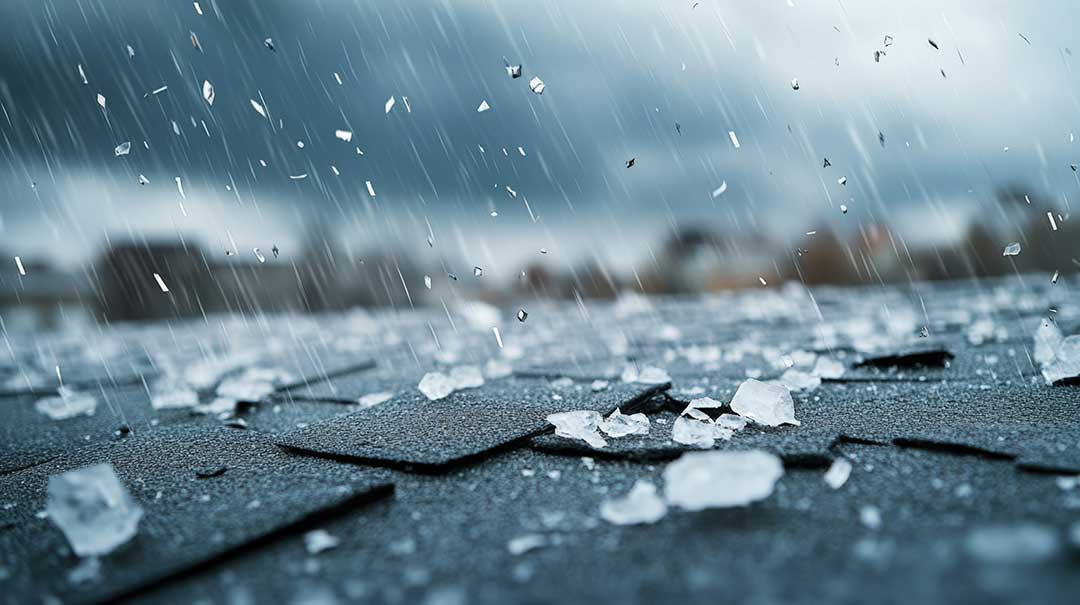
The most troublesome damage may be located near transitions, such as:
- Valleys where two roof slopes meet
- Roof edges and eaves
- Areas around chimneys and vents
- Skylight borders
- Places where an addition meets the main structure
These areas already manage concentrated water flow. Even a small change in the way water moves can cause moisture to enter the roof system.
What should be done after a ball hits the roof?
First, check from the ground for obvious damage and look inside the attic or upper floors for signs of moisture. Do not climb onto a roof that is wet, icy, steep, or difficult to access. Wet leaves, frost, moss, and spring rain can make roofing surfaces especially slippery.
If rain is expected and a visible opening exists, protect interior belongings from possible leakage and use a container beneath active drips. Avoid placing weight on a ceiling that appears swollen or sagging.
Photographs taken from the ground can help document the location and condition of the affected area. If the damage involves a cracked skylight, exposed underlayment, broken vent, loose flashing, or active leak, a qualified roof inspector may be needed because determining the full extent often requires close examination.
Temporary repairs should not involve walking on damaged shingles or covering a roof with materials that could trap moisture. Tarping can also be hazardous if attempted without proper equipment and secure attachment.
How can homeowners reduce the risk?
The safest approach is to direct high-impact activities away from rooflines, windows, and exterior fixtures. A playing area should have enough clearance for missed throws, high kicks, and deflected balls.
Helpful precautions include:
- Positioning goals, batting practice, and rebound surfaces away from the house
- Avoiding baseball or hockey practice near any roof slope
- Using softer training balls when space is limited
- Keeping ladders, bins, and other objects from creating easy access to lower roofs
- Checking gutters and roof edges after repeated recreational activity
- Teaching children not to retrieve balls by climbing onto the roof
- Moving play areas when a roof has become brittle, moss-covered, icy, or visibly damaged
Roof damage from sports equipment is usually preventable, but it is easy to overlook because the initial mark may be small. A quick visual check after a hard impact, followed by attention to leaks or loose materials, can help prevent a minor defect from becoming a larger moisture problem.
