
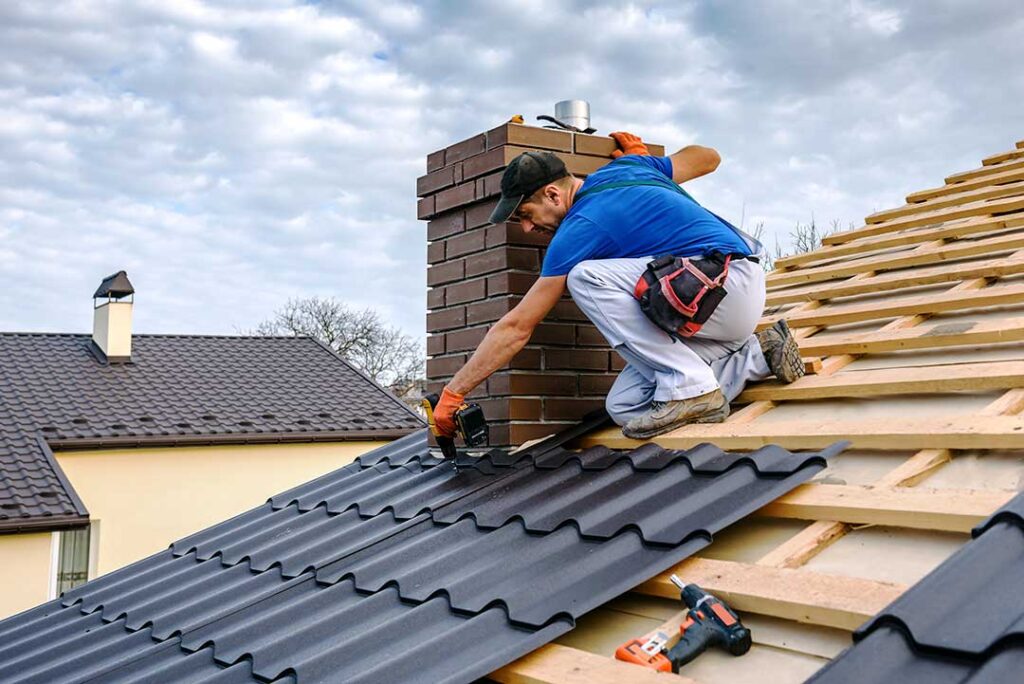
Roof problems do not stop during a public health emergency, severe storm, supply shortage, or other community crisis. In Ithaca, NY, residents may need to decide quickly whether a problem requires immediate action, whether temporary protection is safe, and how to arrange work while reducing unnecessary health and safety risks.
The right response depends first on the condition of the roof and second on the circumstances surrounding the crisis. A small leak may allow time for planning, while structural damage, active water entry, or a fallen tree can become an emergency.
How should a roof problem be classified during a crisis?
A roof issue is generally urgent when it threatens people, the structure, electrical systems, or essential living areas. Cosmetic damage and minor wear can usually wait for safer conditions.
Treat the situation as urgent if:
- Water is entering through the ceiling or walls during rain.
- A ceiling is sagging, stained rapidly, or showing signs of collapse.
- A large section of shingles, flashing, or roofing material has blown away.
- A tree, branch, utility line, or other object has struck the roof.
- Daylight is visible through the roof from an attic or upper room.
- Water is near electrical outlets, fixtures, wiring, or mechanical equipment.
- The roof structure appears uneven, separated, or unstable.
- Ice, snow, or debris is creating a falling hazard around entrances and walkways.
If the problem is limited to an older shingle, small area of moss, or a minor interior stain that is not growing, documentation and temporary monitoring may be reasonable. Delaying an emergency repair, however, can allow water to spread into insulation, framing, plaster, and electrical components.
What should residents do first?
The first step is to protect people, not the roof. Keep residents and pets away from rooms with sagging ceilings, falling debris, active electrical hazards, or visible structural movement.
If water is entering, place containers under drips only when doing so does not require standing beneath a damaged ceiling. Move furniture and belongings away from the affected area. Do not climb onto the roof during rain, high wind, lightning, icy conditions, or poor visibility.
From a safe location, take photographs and write down:
- The date and approximate time the problem was discovered
- Weather conditions at the time
- Rooms or areas affected
- Visible exterior damage
- Any temporary steps already taken
- Whether water reached electrical equipment or valuable property
This record can help with insurance discussions and can prevent confusion if several repairs are being coordinated during a crisis.
Can a roof be covered temporarily?
Temporary protection can reduce additional water damage, but it must be installed safely. A tarp should not be placed by an unprotected person on a steep, wet, icy, or damaged roof.
From the ground, residents may be able to observe whether a covering has shifted or whether water is pooling. They should not climb onto the roof to adjust it unless conditions are stable and the person has appropriate fall protection, experience, and a safe access route. Improvised ladders, loose boards, and unsecured tarps can create more danger than the original leak.
Interior measures can be safer. A plastic sheet or container may help protect belongings, but plastic should not be placed over hot electrical equipment, light fixtures, or areas where it could trap water against a ceiling. If a ceiling is bulging, do not puncture it unless directed by someone who understands the structural and electrical risks.
How can roof repairs be handled during a public health emergency?
During COVID-19 or a similar health crisis, roof work should be organized to limit unnecessary close contact while still addressing hazards. Much of the planning can happen without entering the home.
Useful precautions include:
- Discussing the problem by phone or electronic message before anyone arrives
- Sharing photographs and measurements when they can be taken safely
- Identifying which areas of the property need access
- Keeping household members away from the work zone
- Opening communication about illness, recent exposure, or vulnerable residents
- Using outdoor or remote discussions instead of gathering indoors
- Avoiding handshakes and unnecessary face-to-face conversation
- Keeping children and pets away from ladders, tools, debris, and staging areas
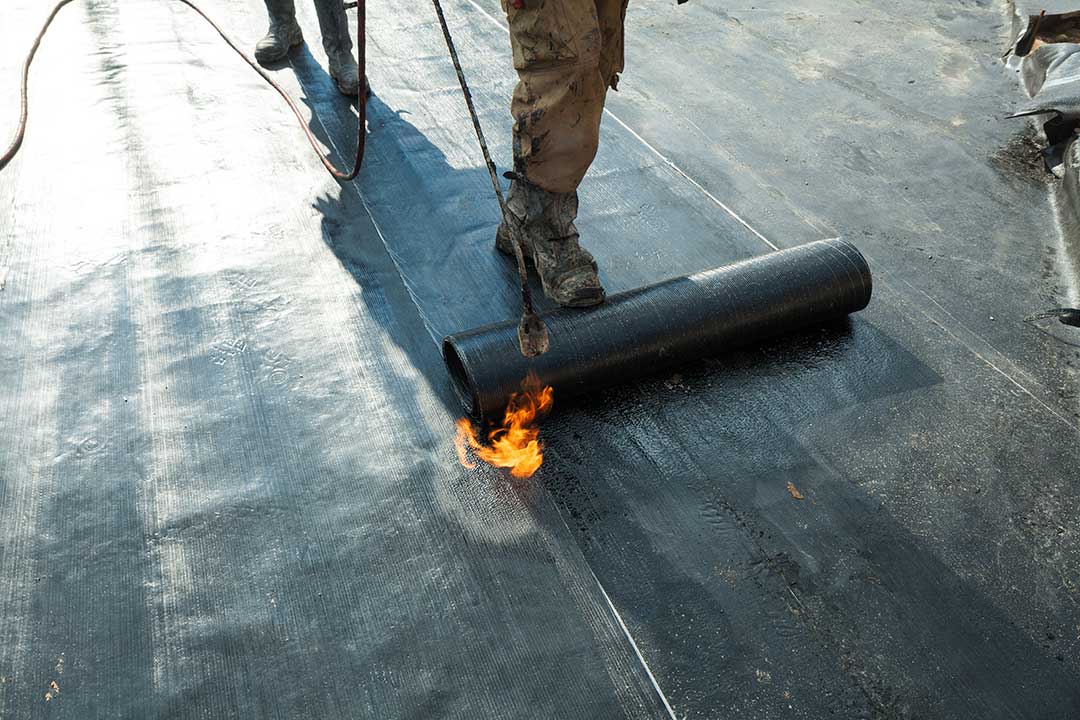
A repair may involve several people, such as a roofer, electrician, tree specialist, insurance representative, or emergency responder. Clear scheduling helps prevent overlapping visits and reduces the number of people moving through the property.
If anyone in the household is sick or medically vulnerable, that information should be communicated before entry is needed. A roof repair should not be delayed when conditions are dangerous, but the work plan may need to change so that indoor contact is minimized.
What if materials or labor are difficult to obtain?
During a crisis, common roofing materials may be delayed or unavailable. A temporary repair may be used to control water until permanent materials can be obtained.
A temporary measure should be treated as a short-term protection, not a completed repair. Residents should keep records of what was installed, where it was placed, and whether water continued to enter. Temporary coverings can deteriorate under wind, snow, ice, and repeated freezing and thawing.
Ithaca’s seasonal conditions make this especially relevant. Winter moisture, freeze-thaw cycles, snow accumulation, and spring rainfall can expose weak temporary work quickly. A repair that appears stable during a dry period may fail once water freezes beneath shingles or flashing.
Are roof repairs covered by insurance during a crisis?
Insurance coverage depends on the policy, the cause of damage, exclusions, and the condition of the roof before the event. A storm-related opening may be treated differently from deterioration caused by age, lack of maintenance, or repeated leakage.
Before discarding damaged materials, take photographs from several angles. Keep receipts for reasonable emergency supplies and document temporary steps taken to prevent further damage. Avoid making permanent changes that conceal the original condition before the damage has been recorded, unless immediate action is needed to protect people or prevent severe property loss.
Insurance policies may also require prompt notice or reasonable efforts to prevent additional damage. The specific policy language controls, so residents should review their documents and ask questions through the appropriate claims channel.
When is it unsafe to delay?
A roof repair should not be postponed simply because a crisis makes scheduling difficult if the damage is allowing water into living spaces or threatening structural stability. Immediate attention is also warranted when falling materials, electrical exposure, or unsafe access could injure someone.
Qualified, properly equipped help is necessary for steep roofs, structural damage, electrical hazards, large trees, extensive ice, or conditions that cannot be safely observed from the ground. Residents should not attempt roof access merely because materials are unavailable or because the damage appears easy to reach.
The safest crisis plan separates urgent protection from permanent restoration: keep people away from hazards, limit additional water entry where it can be done safely, document the condition, reduce unnecessary contact, and arrange the lasting repair when conditions and materials allow.
