
Roofing work is a sequence of inspections, planning, preparation, installation, and final checks. Understanding each stage helps homeowners recognize what should happen, identify possible problems early, and make informed decisions about repairs or replacement.
What happens before roofing work begins?
The process starts with an evaluation of the existing roof, not with removing shingles. The condition of the roof covering, underlayment, flashing, ventilation, decking, gutters, and roof edges all affect the work that follows.
An inspection typically looks for:
- Missing, cracked, curled, or loose shingles
- Water stains or damp areas in the attic
- Soft or damaged roof decking
- Rusted, separated, or poorly sealed flashing
- Blocked or inadequate ventilation
- Moss or algae growth
- Sagging roof lines
- Granules collecting in gutters or at downspouts
The roof’s age matters, but age alone does not determine whether replacement is necessary. A roof that is relatively young may have storm damage, installation defects, or ventilation problems. An older roof may still be serviceable if it has been maintained and has no widespread deterioration.
For homes in Ithaca, NY, the assessment should account for heavy snow, freeze-thaw cycles, wind, spring rain, and shaded areas that may stay damp. Roofs with complicated slopes, dormers, valleys, or additions generally require closer inspection because they contain more potential water-entry points.
How is a roofing project planned?
Planning determines the scope of work, materials, timing, and protection needed around the house. A clear plan should identify whether the project involves a limited repair, partial replacement, or full roof replacement.
Important planning questions include:
- Is the existing roof covering being repaired or removed?
- Will damaged decking be replaced?
- Are flashing and ventilation components being reused or upgraded?
- How will old roofing materials be contained and removed?
- What weather conditions could delay the work?
- How will landscaping, siding, windows, decks, and walkways be protected?
Weather is a practical consideration in the local area. Roofing materials generally need suitable temperatures and dry conditions for proper handling and sealing. Snow, ice, rain, and strong winds can make roof work unsafe and may affect how materials perform.
Homeowners should also understand that a written scope may allow for concealed damage discovered after removal. This is not necessarily a sign that the project was poorly planned. Roof decking and flashing are often hidden until the roof covering is taken off, so some conditions cannot be confirmed from the surface.
What happens during roof removal?
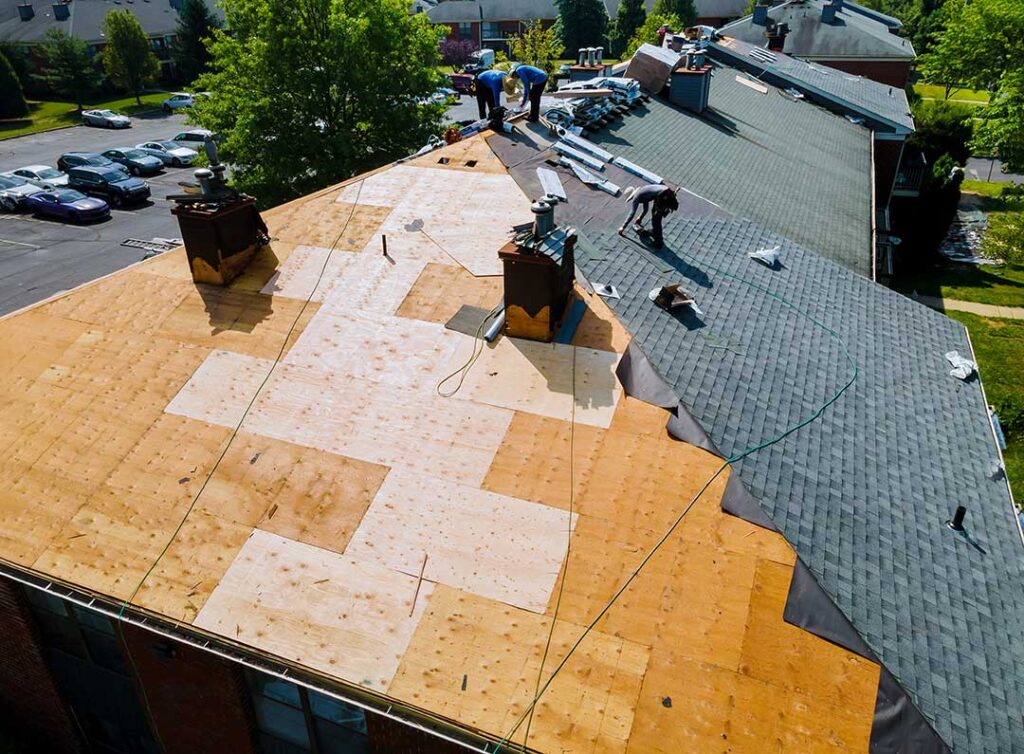
For a full replacement, the existing roof covering is usually removed down to the roof deck. This allows the deck and underlying components to be inspected rather than covering old problems with new materials.
Removal involves more than taking off shingles. Workers may need to remove:
- Existing shingles or other roof coverings
- Underlayment
- Old flashing
- Ridge caps
- Vent components
- Fasteners and damaged sections of decking
This stage can be noisy and may produce vibration inside the home. Dust or small debris can enter attic spaces, especially around older roof assemblies. Protecting belongings stored in the attic and securing fragile wall decorations before work begins can reduce the chance of damage.
Debris control is also part of the process. Roofing materials can contain sharp nails and heavy pieces, so work areas should be managed carefully. Driveways, gardens, shrubs, porches, and walkways may need temporary coverings or barriers.
Why is the roof deck so important?
The roof deck is the structural surface beneath the underlayment and roof covering. It is commonly made from plywood or oriented strand board, but older homes may contain different materials.
A new roof should not be installed over deck sections that are rotted, badly warped, delaminated, or too weak to hold fasteners. Damaged decking can allow movement, create uneven surfaces, and reduce the ability of the roof system to resist wind and snow loads.
Deck repairs are usually completed after removal and before new underlayment is installed. The extent of replacement may not be known until the deck is visible. Small isolated areas can sometimes be repaired, while widespread deterioration may indicate long-term moisture problems or inadequate ventilation.
How are underlayment, flashing, and ventilation installed?
A roof is a system, not just a layer of shingles. Underlayment, flashing, ventilation, and edge details help control water and moisture.
Underlayment is placed over the roof deck beneath the outer roof covering. It provides an additional moisture barrier and helps protect the deck if water passes beneath shingles.
Flashing directs water away from vulnerable areas, including:
- Chimneys
- Plumbing penetrations
- Roof valleys
- Wall intersections
- Dormers
- Skylights
- Eaves and roof edges
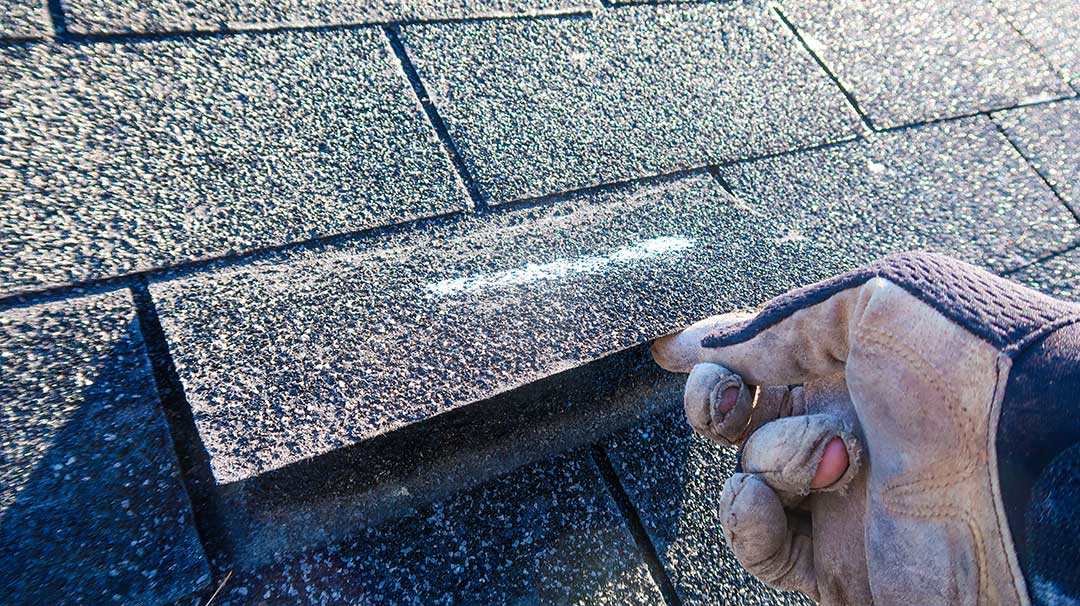
Flashing problems are a common source of leaks because these locations involve changes in direction or materials. Sealant alone is not a substitute for properly installed flashing.
Ventilation helps manage heat and moisture in the attic. A balanced system generally allows air to enter through lower roof areas and exit near the ridge or upper portions of the roof. Poor ventilation can contribute to condensation, damp insulation, mold growth, ice dams, and premature aging of roofing materials.
How are the new roofing materials installed?
Once the deck, underlayment, flashing, and ventilation details are ready, the outer roof covering is installed according to the roof design and material requirements.
Installation usually proceeds in overlapping courses. Proper alignment, fastening, spacing, and sealing are essential. Valleys, eaves, ridges, and penetrations require specialized details because they receive more water and wind exposure than broad, flat sections of the roof.
In a snowy climate, edge protection and water-shedding details deserve close attention. Ice can form along roof edges when heat escapes into the attic and melts snow above. The meltwater may refreeze near colder eaves, creating an ice dam. Roofing design and attic insulation both affect this risk.
Not every leak is caused by failed shingles. Water may travel along the underside of the roof deck before appearing indoors, so the visible stain may be some distance from the actual entry point.
What should happen during the final inspection?
The final stage includes checking the roof surface, flashing, penetrations, edges, valleys, ridge areas, gutters, and surrounding property.
A careful review should confirm that:
- Roofing materials are properly aligned and secured
- Exposed fasteners are addressed where required
- Flashing is integrated with adjoining surfaces
- Ventilation openings are not blocked
- Valleys and roof edges are free of loose debris
- Gutters and downspouts are clear
- Nails and sharp waste have been removed from accessible areas
- Landscaping and exterior surfaces are reasonably clean
After the work is complete, attic spaces should also be checked for signs of moisture, daylight where it should not be visible, blocked vents, or damaged insulation. During the first several storms, homeowners can watch for new stains, dripping, damp odors, or unusual drafts.
When does a roof need repair instead of replacement?
A repair may be appropriate when damage is limited to a small, clearly defined area and the surrounding roof remains in sound condition. Examples include a damaged flashing section, a few missing shingles, or a localized puncture.
Replacement becomes more likely when damage is widespread, the roof covering is near the end of its service life, leaks occur in several areas, or the underlying deck and ventilation system have persistent problems.
Emergency attention is warranted when there is active interior leaking, a sagging roof surface, exposed electrical components near water, major storm damage, or debris that could fall. Walking on a steep, icy, or damaged roof creates unnecessary risk; observations from the ground or attic are safer.
Understanding the process makes roofing less mysterious. The visible roof covering is only one part of a larger system designed to manage water, snow, wind, temperature changes, and moisture over the life of the building.
