
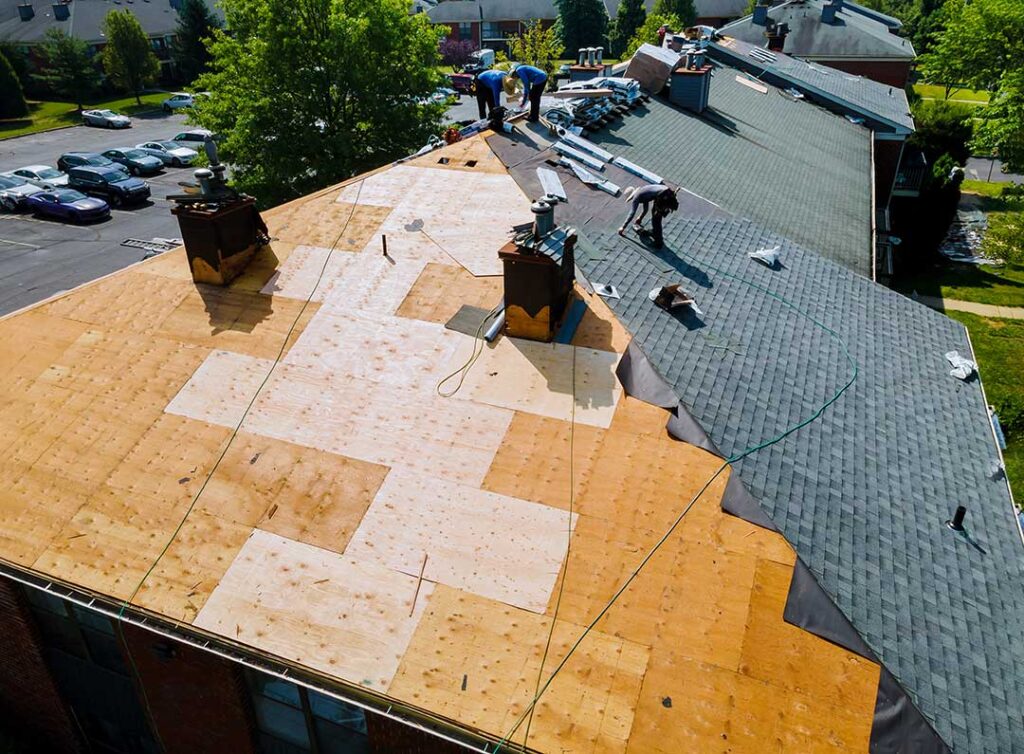
A roof does more than keep rain and snow out. In Ithaca, NY, a sound roofing system can also help limit moisture, dust, mold growth, and outdoor particles that enter living spaces through damaged roofing materials, poorly sealed openings, or inadequate attic ventilation.
Replacing a roof will not eliminate every indoor allergy trigger. Carpets, furnishings, pets, heating systems, and outdoor air brought in through windows can still affect indoor air quality. However, correcting roof-related moisture and air-leakage problems can make a meaningful difference, especially in older homes or buildings exposed to repeated seasonal weather.
How can a roof affect indoor allergens?
A roof can influence indoor allergens mainly through moisture control and air movement. If roofing materials, flashing, vents, or underlayment allow water to enter, damp areas may develop in the attic, ceiling, insulation, or upper wall cavities.
Damp building materials can support the growth of mold and mildew. These organisms release spores that may move through the home, particularly when air from the attic or wall cavities reaches occupied rooms.
Roof-related problems may also allow outdoor particles to enter. Fine dust, pollen, insect debris, and other contaminants can move through gaps around attic hatches, recessed lights, ductwork, plumbing penetrations, and ventilation openings.
A new roof can help when it includes more than new shingles or other exterior covering. The full roofing assembly should direct water away from the building, protect vulnerable joints, and support appropriate attic airflow.
Can replacing a roof remove mold and mildew?
No. Replacing a roof can stop a leak, but it does not automatically remove mold that has already developed inside the building.
If moisture has affected insulation, roof sheathing, rafters, drywall, or other porous materials, those materials may need separate assessment and cleaning or replacement. Simply covering a stained surface can leave the underlying source in place.
A roof replacement may reduce the chance of continued mold growth by correcting:
- Leaking or deteriorated roofing materials
- Failed flashing around chimneys, walls, skylights, or roof penetrations
- Damaged vent boots and exposed fasteners
- Ice-dam-related water entry
- Inadequate drainage or blocked roof edges
- Condensation caused by poor attic ventilation
The source of moisture must be corrected before indoor air-quality improvements can last. Otherwise, new roofing materials may be installed over a continuing problem elsewhere in the assembly.
Why does attic ventilation matter for allergens?
Proper attic ventilation helps manage heat and moisture. It does not filter allergens out of the home, but it can reduce the damp conditions that support mold and mildew.
During winter, warm indoor air may reach the attic through small gaps in the ceiling plane. In a cold climate, including the seasonal conditions common in Ithaca, that moisture can condense on colder roof sheathing and framing. Over time, repeated condensation may create musty odors, staining, or fungal growth.
A balanced ventilation approach generally allows air to enter near the lower roof edge and exit through properly designed high-level vents. The attic also needs an effective air barrier and adequate insulation so that indoor air does not freely escape into the roof space.
More ventilation is not always better. Installing vents without controlling air leakage from the living area can allow snow, rain, wind-driven moisture, or cold air to enter the attic. The design should account for the roof shape, insulation layout, existing vents, and moisture conditions.
Can a new roof reduce pollen and outdoor dust indoors?
It can reduce some roof-related entry points, but it cannot keep all pollen and dust outside. Outdoor allergens commonly enter when doors and windows open, through gaps in the building envelope, or through mechanical ventilation and heating systems.
A roof replacement may help limit infiltration through:
- Gaps around roof-mounted vents
- Cracked or deteriorated flashing
- Openings around attic ductwork
- Loose attic access covers
- Damaged soffits or roof-edge materials
- Unsealed penetrations for plumbing, wiring, and ventilation
These openings can allow air to move between the attic and living spaces. Sealing the ceiling plane and repairing connected components may be just as important as replacing the exterior roofing material.
Homes with forced-air heating or cooling systems deserve extra attention. If return ducts or air-handling equipment are located in a dusty attic, leaks can draw contaminated air into the circulation system. A roof project may reveal these conditions, but duct sealing and equipment maintenance are separate tasks.
What roof problems are especially relevant in Ithaca?
The local climate creates several conditions that can affect moisture and indoor air quality. Snow, freeze-thaw cycles, wind-driven rain, heavy spring moisture, and shaded areas that dry slowly can all place stress on roofing systems.
Ice dams are a common concern in cold-weather regions. They can form when heat escapes into the attic and melts snow on warmer sections of the roof. Water may then collect behind the ice and move beneath roofing materials. Repeated incidents can wet insulation, sheathing, and ceiling finishes.
Older housing may also have multiple layers of past repairs, aging flashing, limited insulation, or attic spaces that were modified over time. These conditions can make it difficult to identify the true path of moisture. A roof that appears intact from the ground may still have hidden problems around valleys, roof edges, vents, or intersections with walls.
Keeping gutters, downspouts, and roof drainage paths clear also matters. Poor drainage can leave water near roof edges and exterior walls, increasing the chance of leaks or dampness that eventually affects indoor spaces.
Does a new roof improve air quality by itself?

Usually, no. A new roof may improve indoor conditions when the previous roof was leaking, poorly sealed, or contributing to attic moisture. The benefit depends on the entire moisture and ventilation system.
Other steps may be needed, including:
- Removing wet or mold-contaminated insulation
- Drying affected framing and sheathing
- Sealing attic penetrations
- Improving insulation coverage
- Repairing ceiling or wall damage
- Cleaning or sealing contaminated ductwork
- Maintaining bathroom and kitchen exhaust fans
- Controlling indoor humidity
Indoor humidity should generally be managed so that condensation does not form on cold surfaces. Cooking, bathing, drying clothes, and basement moisture can all add water vapor to the home. A roof replacement cannot correct moisture produced inside the building unless the project also addresses how that moisture moves through the attic.
What should homeowners look for before replacing a roof?
Signs of a roof-related allergen or moisture problem may include:
- Musty odors near the top floor
- Brown or yellow ceiling stains
- Peeling paint near upper walls
- Damp attic insulation
- Dark staining on roof sheathing
- Visible daylight around roof penetrations
- Condensation or frost on attic nails
- Recurring symptoms that improve when away from the home
- Increased dust near attic access points
These signs do not prove that the roof is the source of an allergy problem. They indicate that moisture, air leakage, or ventilation deserves closer attention.
If visible mold covers a large area, contaminated materials are heavily damaged, or the roof has active water entry, evaluation and remediation may involve safety hazards. Disturbing moldy insulation or opening wet building cavities can spread particles and expose occupants or workers.
A properly planned roof replacement should therefore consider water shedding, flashing, attic ventilation, insulation, air sealing, and existing moisture damage together. The result is not an allergen-free home, but it can be a drier, more stable building with fewer roof-related pathways for mold spores and outdoor particles to enter.
