
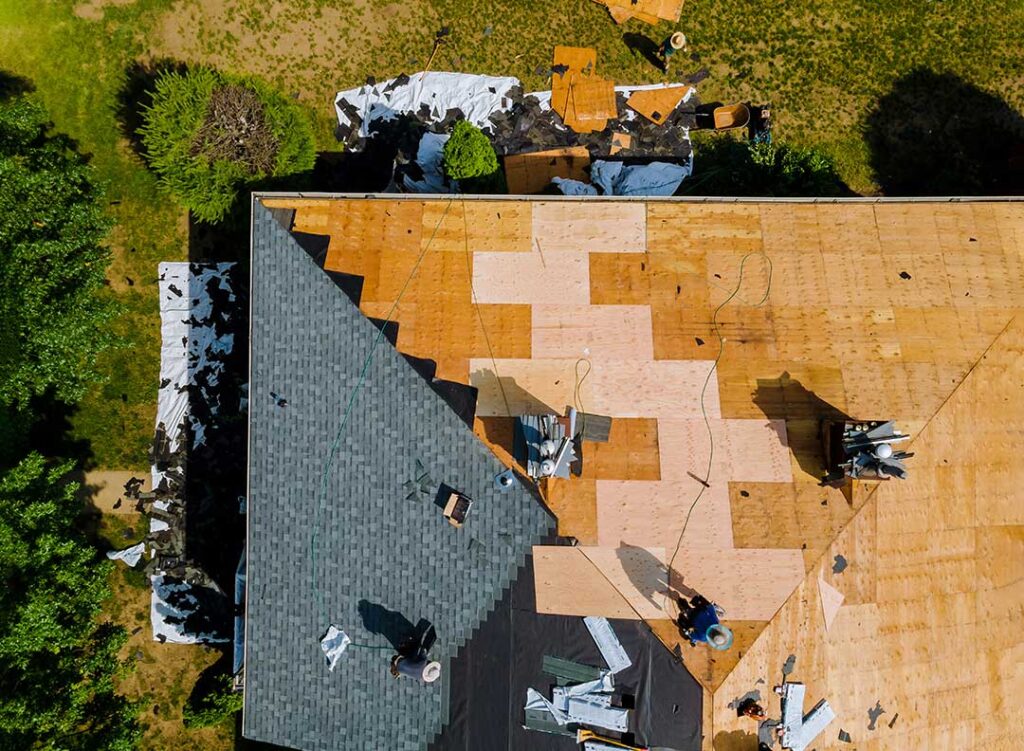
Does homeowners insurance cover roof damage?
In Ithaca, NY, homeowners insurance may cover roof damage when it results from a sudden, covered event such as wind, hail, falling trees, fire, or the weight of snow and ice. It generally does not cover ordinary aging, neglect, poor maintenance, or damage that developed gradually over time.
The exact answer depends on the policy language, deductible, exclusions, and the insurer’s assessment of what caused the damage. A roof leak by itself does not automatically mean the roof replacement will be covered. The key question is usually whether a covered event created the opening or damage that allowed water to enter.
For example:
- Wind removes shingles and rain enters through the exposed area.
- A tree limb falls onto the roof during a storm.
- Heavy snow causes part of the roof structure to collapse.
- Hail damages roofing materials and creates openings.
By contrast, insurance commonly excludes damage caused by rot, deterioration, repeated leaks, insect damage, installation defects, or a roof that has simply reached the end of its useful life.
Why does roof age matter to an insurance claim?
Roof age can affect both eligibility for coverage and the amount an insurer will pay. Some policies provide replacement-cost coverage for the roof, while others pay only the roof’s actual cash value after depreciation is deducted.
Replacement-cost coverage is intended to help pay for the cost of replacing damaged materials with similar new materials, subject to the policy terms and deductible. Actual cash value considers the roof’s age and condition. A roof that is several years old may therefore receive a much smaller payment than the cost of installing a new roof.
Insurers may also place special conditions on older roofs. Depending on the policy, an insurer may:
- Limit roof payments to actual cash value.
- Require documentation of the roof’s age or condition.
- Decline to insure a roof with severe deterioration.
- Apply a separate wind or hail deductible.
- Require repairs before renewing the policy.
A policy’s declarations page may not explain every roof limitation. The full policy, endorsements, renewal notices, and inspection requirements should be reviewed together.
What is the difference between wear and storm damage?
Wear and storm damage can exist at the same time, which often makes roof claims difficult to evaluate. A storm may expose a weakness that already existed, or an older roof may sustain more damage than a newer roof under the same weather conditions.
A useful distinction is:
- Wear and tear: gradual loss of roofing material caused by age, sunlight, repeated temperature changes, moss, poor ventilation, or long-term moisture.
- Storm damage: a sudden physical event, such as wind lifting shingles, hail striking the surface, or a branch breaking through the roof.
- Resulting interior damage: water damage inside the home that occurs after a covered roof opening, subject to policy conditions.
An insurer may cover the sudden damage but not the cost of correcting long-standing deterioration. For instance, if wind removes several sound shingles from an otherwise maintained roof, the damaged area may be treated differently than a roof with widespread cracking, curling, or exposed underlayment.
What should homeowners do after a suspected roof loss?
Safety comes first. Do not climb onto a wet, icy, steep, or visibly unstable roof. Snow, frozen surfaces, and hidden structural damage can make inspection hazardous, especially during winter weather.
After a storm or suspected loss:
1. Photograph visible damage from the ground and photograph interior staining or damaged belongings.
2. Write down the date and approximate time of the storm.
3. Protect the home from additional damage if it can be done safely, such as placing a container under an active leak or covering an opening from the ground.
4. Keep receipts for temporary materials, emergency cleanup, or necessary lodging.
5. Notify the insurer promptly and ask about the claim process.
6. Avoid permanently discarding damaged materials before the insurer has had a reasonable opportunity to inspect them.
Temporary repairs are different from permanent repairs. Covering an opening to prevent further water intrusion may be appropriate, but a full replacement or major reconstruction should generally be coordinated with the claim process. The policy may require prompt notice, reasonable steps to prevent additional damage, and cooperation with inspections.
What is a roof deductible?
A deductible is the portion of a covered loss the homeowner pays before insurance contributes. The standard deductible may be a fixed amount, while a wind or hail deductible may be a percentage of the dwelling coverage limit.
For example, a 2% wind deductible on a home insured for $300,000 would equal $6,000. That amount is based on the policy’s stated dwelling limit, not necessarily on the size of the roof repair.
The deductible can determine whether filing a claim makes financial sense. A small repair may cost less than, or only slightly more than, the deductible. A claim should not be avoided merely because a deductible applies, however, particularly if there is significant structural or interior damage. Coverage questions are separate from the decision to file.
Homeowners should check whether the policy has separate deductibles for wind, hail, named storms, or other events. These provisions can be especially relevant after severe weather affecting multiple households.
Are ice dams, melting snow, and leaks covered?
Ice dam and snow-related claims depend heavily on the policy language and the cause of the damage. Some policies may cover resulting interior water damage when water enters through a sudden, covered opening. They generally do not cover the cost of correcting poor insulation, inadequate ventilation, deteriorated flashing, or long-term maintenance problems.
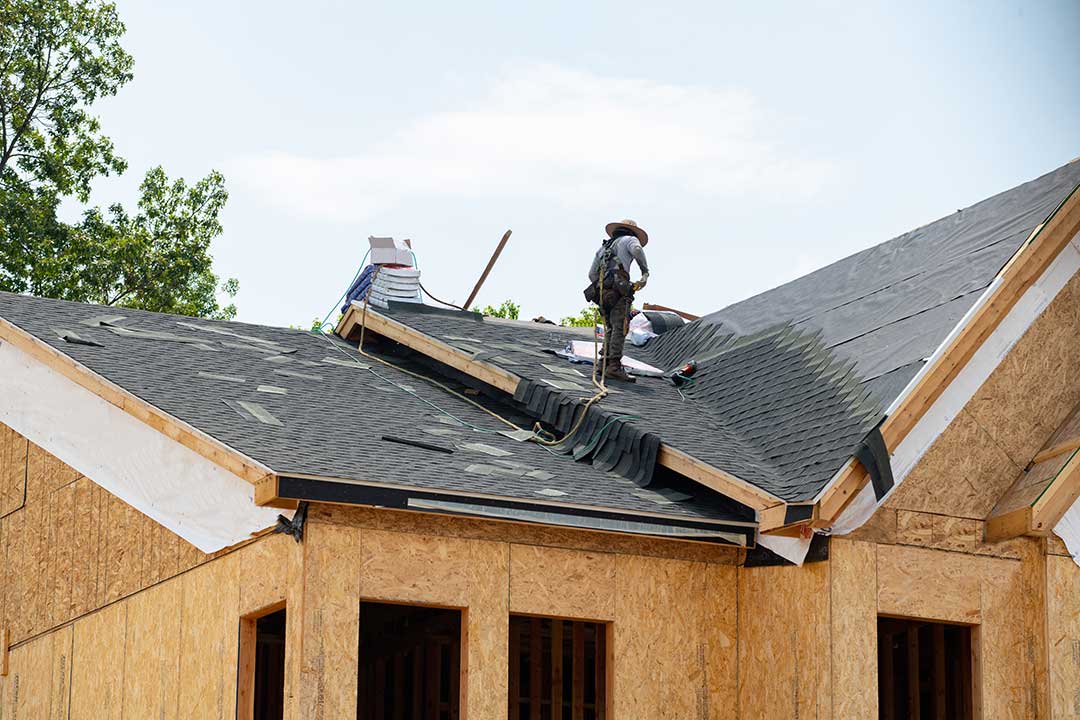
Melting snow that enters because of a pre-existing roof defect may be treated differently from snow or ice that causes a sudden covered loss. Flooding from surface water is also generally excluded from standard homeowners insurance and may require separate flood coverage.
In a climate with freeze-thaw cycles, heavy snow, and ice buildup, prevention matters. Keeping gutters and downspouts clear, maintaining flashing, watching for repeated attic moisture, and addressing known leaks can help reduce damage. These steps do not guarantee coverage, but they can help demonstrate reasonable care of the property.
Can a new roof affect insurance premiums?
Possibly. A newer roof may reduce an insurer’s perception of risk, and some insurers offer discounts for qualifying roof improvements or storm-resistance measures. The savings are not automatic and vary by policy and company.
Before making an upgrade for insurance purposes, homeowners should ask what documentation may be needed. Useful records can include:
- Installation date.
- Roofing material and product information.
- Building permits, when required.
- Paid invoices and contracts.
- Before-and-after photographs.
- Information about wind, hail, or fire-resistance features.
A roof replacement does not necessarily increase the home’s insured value by the full cost of the project. Insurance is generally based on rebuilding needs and policy limits, not simply on the amount spent on an improvement.
What should be reviewed before renewing a policy?
A yearly policy review can reveal problems before a claim occurs. Check the dwelling coverage limit against the likely cost to rebuild, not the home’s market value or land value. Construction costs, code requirements, labor, and material prices may change over time.
Also review:
- Roof age and any insurer restrictions.
- Replacement-cost versus actual-cash-value coverage.
- Standard and special deductibles.
- Water backup and sump-pump coverage.
- Flood exclusions.
- Additional living expense coverage.
- Requirements for maintaining heat during winter absences.
- Whether recent additions or renovations were reported.
Keep a basic home inventory and store photographs, receipts, and policy documents somewhere protected from fire and water. Clear records can make it easier to establish the home’s condition before a loss and document damaged belongings afterward.
Insurance is not a maintenance contract, and roof maintenance is not a guarantee that every storm loss will be covered. The most reliable approach is to understand the policy before severe weather arrives, maintain the roof as conditions allow, and document damage carefully when a sudden event occurs.
