
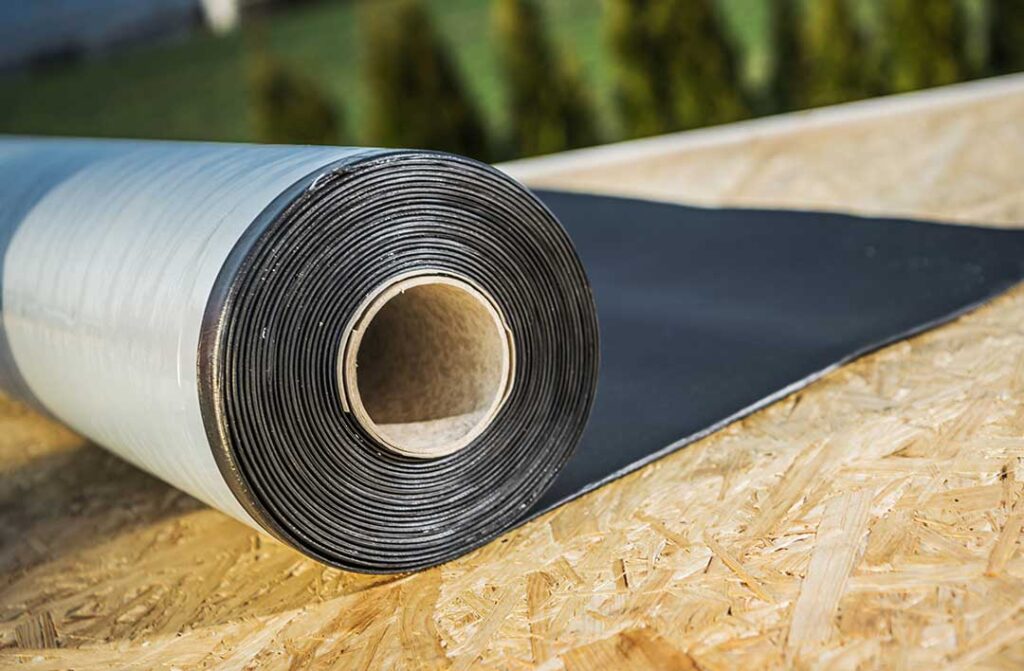
What does a roof warranty actually cover?
A roof warranty is a written promise about specific materials, workmanship, or both. It does not automatically cover every leak, storm-related problem, or maintenance issue.
Most roofing coverage falls into two separate categories:
- Material warranty: Covers defects in shingles, membrane, flashing components, or other roofing products.
- Workmanship warranty: Covers installation errors, such as improper fastening, incorrect flashing, or inadequate sealing.
A third type may apply when a home is sold: a home warranty or seller disclosure may address known roof conditions, but that is different from the original roofing warranty. Insurance coverage for wind, hail, falling branches, and other sudden events is also separate.
Before deciding whether a problem is covered, identify which document applies and what type of failure has occurred.
How can a homeowner find the warranty documents?
Start with the closing papers, roofing contract, invoices, product information, and records of later repairs. The original paperwork may be stored under the previous owner's name, especially if the roof was installed before the home changed hands.
Look for:
- The installation date or substantial-completion date
- The roofing materials used
- The name of the installer
- The manufacturer’s warranty terms
- A workmanship warranty or labor guarantee
- Registration documents or transfer forms
- Required maintenance or inspection records
- Exclusions for weather, ventilation, foot traffic, or alterations
If the roof was replaced before ownership changed, ask whether the warranty transfers to a later owner. Some material warranties transfer once, while others do not transfer at all. A workmanship warranty may belong only to the original customer.
A verbal statement that the roof is “under warranty” is not enough to determine coverage. The written terms control.
Is a manufacturer warranty the same as a roofer’s warranty?
No. A manufacturer warranty generally addresses defects in the roofing product. It usually does not promise that the roof will remain leak-free if the materials were installed incorrectly.
For example, shingles could be manufactured properly but installed with incorrect nail placement. That situation may fall under workmanship coverage rather than the material warranty.
The installer’s warranty may cover:
- Leaks caused by installation mistakes
- Improper flashing around chimneys, walls, or roof penetrations
- Missing or incorrectly placed fasteners
- Defective ventilation work
- Inadequate underlayment installation
- Problems with seams or joints on low-slope roofing
The exact scope varies widely. Some workmanship warranties cover labor for a stated period but exclude the cost of replacement materials. Others provide more limited protection or exclude repairs performed by another party.
What roof problems are commonly excluded?
Warranty exclusions are often more important than the headline duration. A “25-year” or “limited lifetime” warranty does not mean every roof problem is covered for that entire period.
Common exclusions include:
- Wind, hail, ice impact, or fallen branches
- Damage caused by animals, people, or foot traffic
- Poor attic ventilation or excessive interior moisture
- Condensation, mold, or algae
- Structural movement or settling
- Damage caused by additions, solar equipment, antennas, or other alterations
- Failure to maintain drainage or remove excessive debris
- Repairs performed with incompatible materials
- Natural appearance changes, granule loss within permitted limits, or normal aging
- Installation over an unsuitable existing roof surface
In Ithaca, seasonal conditions can complicate diagnosis. Freeze-thaw cycles, heavy snow, ice buildup, wind-driven rain, and leaf accumulation can affect roofing components without necessarily proving a manufacturing or installation defect. A leak appearing after a winter storm may be weather damage, an old flashing problem, an ice-related condition, or a combination of factors.
How do you determine whether a leak is covered?
The source of water inside the home is not always the location of the roof defect. Water can travel along decking, rafters, insulation, or wall cavities before becoming visible at a ceiling.
A useful assessment separates four questions:
1. When did the problem begin?
Note whether it appeared after a storm, during snowmelt, after strong wind, or during ordinary rainfall.
2. What exactly is damaged?
A missing shingle, lifted flashing, stained ceiling, wet insulation, and deteriorated decking may involve different responsibilities.
3. Was the roof altered after installation?
Skylights, vents, satellite equipment, solar attachments, or later repairs may affect coverage.
4. What does the warranty exclude?
Read the sections covering maintenance, weather events, ventilation, transfer, notice requirements, and claim procedures.
Photographs taken from the ground and from accessible interior areas can help document timing and conditions. Avoid climbing onto a wet, icy, or steep roof. If water is near electrical fixtures, ceiling damage is expanding, or structural materials appear weakened, safety takes priority over warranty research.
Does roof maintenance affect warranty coverage?
Often, yes. Many warranties require reasonable maintenance and prompt attention to developing problems. Ignoring damaged flashing, blocked drainage, exposed underlayment, or recurring leaks can allow a small defect to become a larger condition that the warranty excludes.
Keep a simple record of:
- Roof inspections
- Repairs and dates
- Storm or tree damage
- Gutter and drainage work
- Attic ventilation changes
- Snow or ice-related incidents
- Any replacement materials used
In a region with changing seasons, documenting the roof after major weather events can be useful. It also helps distinguish a new event from a pre-existing condition.
Maintenance requirements do not necessarily mean a homeowner must perform hazardous work personally. They generally mean that visible problems should not be ignored and that repairs should follow the warranty’s requirements.
What should a warranty claim include?
A clear claim should identify the property, installation date if known, suspected defect, and date the problem was discovered. Include copies of the warranty, contract, invoices, photographs, and relevant repair records.
Describe observable facts rather than making a firm technical conclusion. For example, “water appeared below the north roof slope during rainfall” is more useful than stating that the shingles are defective before the cause has been established.
Check whether the warranty requires:
- Written notice within a specific period
- Inspection before repairs
- Use of approved repair materials
- Proof of purchase or ownership
- Registration or transfer documentation
- Submission through the installer, manufacturer, or both
Do not make permanent repairs before understanding the notice requirements, unless immediate action is needed to prevent further property damage. Temporary protection, such as placing a container under an active drip or covering an exposed interior area, can limit damage while preserving evidence.
What if the installer is no longer available?
An unavailable installer can make workmanship claims more difficult, but it does not automatically eliminate material coverage. Review whether the manufacturer accepts claims directly and whether the warranty has transfer or successor provisions.
New York home-improvement contracts generally should be in writing and should describe the work, timing, costs, and warranty terms. Preserve the signed contract and payment records even if the roof appears to have been installed correctly. Those documents may become important years later.
If the warranty language is unclear, the repair involves a major financial dispute, or the roof has caused substantial interior damage, legal or insurance guidance may be appropriate. Warranty interpretation can depend on the contract, timing, property ownership, and the cause of loss.
What is the most practical way to assess coverage?
Use this order:
- Locate every roof-related document.
- Separate material coverage from workmanship coverage.
- Identify the date, location, and apparent cause of the problem.
- Review exclusions and maintenance requirements.
- Document conditions with photographs and written notes.
- Follow the required notice and inspection process.
- Avoid unsafe access or irreversible repairs before the claim requirements are clear.
The central question is not simply, “How many years is the warranty?” It is, “What caused this particular problem, which warranty addresses that cause, and what conditions must be met for coverage to apply?”
