
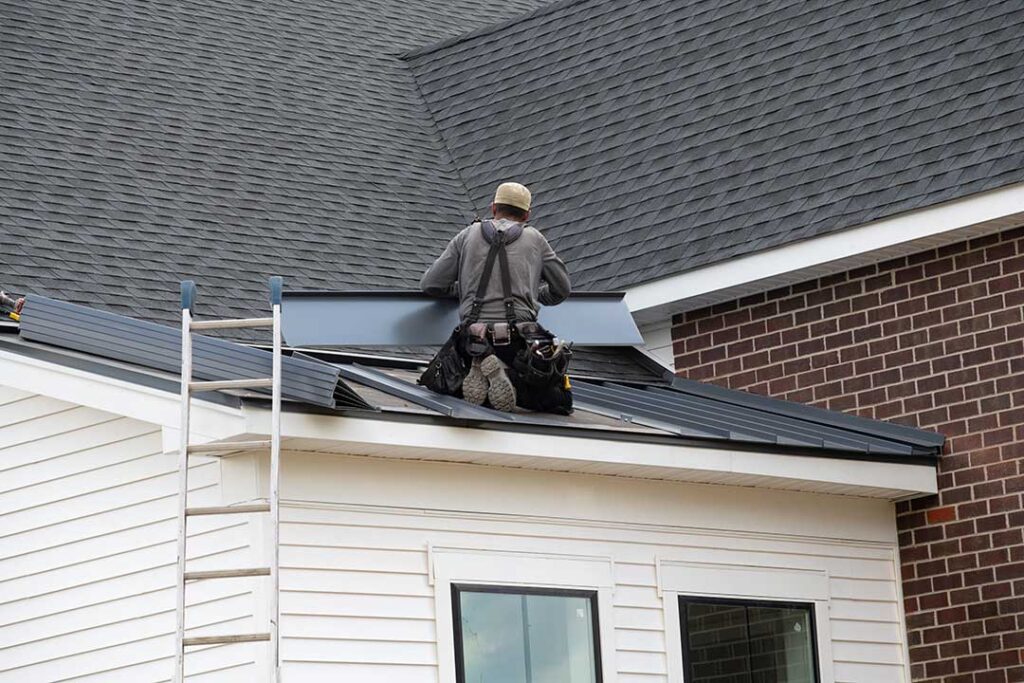
Roof inspections are easiest to overlook when the roof appears to be doing its job. In Ithaca, NY, however, seasonal snow, ice, wind, rain, and repeated freeze-thaw cycles can gradually create problems that are not visible from the ground.
For most homes, a thorough inspection at least once a year is sensible. The most useful timing depends on the roof’s age, recent weather, visible symptoms, and whether the property is being bought, sold, renovated, or prepared for winter.
How often should a roof be inspected?
Most residential roofs should receive a careful inspection every one to two years, with an additional inspection after significant weather damage or a major roofing project.
An annual inspection is especially reasonable for homes exposed to heavy tree cover, steep slopes, repeated ice buildup, or difficult drainage conditions. Older roofs may need more frequent attention because small defects can become leaks more quickly once shingles, flashing, sealants, and underlayment begin to age.
A roof inspection does not necessarily mean climbing onto the roof. A qualified inspection may include observations from the ground, attic, roof edges, accessible roof surfaces, gutters, downspouts, and interior ceilings.
Is spring the best time for a roof inspection?
Spring is often the most useful season for a full inspection because winter conditions may have exposed weaknesses that were not apparent in autumn.
After snow and ice have cleared, an inspection can look for:
- Missing, lifted, cracked, or slipped shingles
- Damaged flashing around chimneys, vents, skylights, and wall intersections
- Loose gutters, separated downspouts, and clogged drainage paths
- Evidence of ice dams or water backing up beneath the roof covering
- Moisture stains, damp insulation, or mold-like growth in the attic
- Sagging areas or changes in the roofline
- Granules collecting in gutters or near downspout outlets
Winter damage is not always dramatic. A few loosened shingles may allow wind-driven rain to enter later in the season, while small flashing gaps can remain unnoticed until several storms occur.
Spring is also a useful time to inspect roof ventilation. Excessive condensation in an attic can resemble a roof leak, particularly after cold weather. Moisture may collect on roof sheathing, nails, insulation, or framing even when the exterior roof covering appears intact.
Should a roof be inspected before winter?
Yes. A late-summer or early-autumn inspection can identify conditions that may become more serious during snow and freezing weather.
Before winter, attention should be given to:
- Loose or deteriorated shingles
- Cracked pipe boots and worn sealants
- Blocked gutters and downspouts
- Weak points around roof valleys and roof-to-wall transitions
- Tree limbs that could fall during wind, ice, or wet snow
- Inadequate attic ventilation or visible condensation
- Areas where previous temporary repairs were made
A roof does not need to be leaking to justify a pre-winter inspection. Water may enter only during wind-driven rain or when snow melts against a blocked drainage path. By the time staining appears on a ceiling, the source may be several feet away from the visible interior damage.
Cleaning gutters is separate from inspecting the roof, but the two tasks are related. Gutters that hold leaves, ice, or sediment can contribute to overflow, saturated fascia boards, and water exposure along roof edges.
When is a post-storm inspection necessary?
A roof should be checked after any storm that produces unusually strong wind, hail, falling branches, heavy wet snow, or prolonged ice accumulation.
Look for warning signs from the ground first:
- Shingles or roofing fragments in the yard
- New dark patches or exposed underlayment
- Bent, displaced, or hanging gutters
- Tree limbs resting on the roof
- Water stains that appeared after the storm
- Debris lodged in valleys or behind roof features
- Interior dripping, bubbling paint, or damp ceiling materials
Heavy snow and ice deserve special attention because their weight may be concentrated in roof valleys, behind raised features, near parapets, or where one roof section meets another. Sagging ceilings, cracking walls, unusual creaking, or visible structural movement should be treated as urgent safety concerns. People should not climb onto a roof covered with snow or ice.
If electrical wires, downed branches, unstable structures, or storm debris are present, stay clear of the area. Roof access is also hazardous during wet weather, high winds, and freezing conditions.
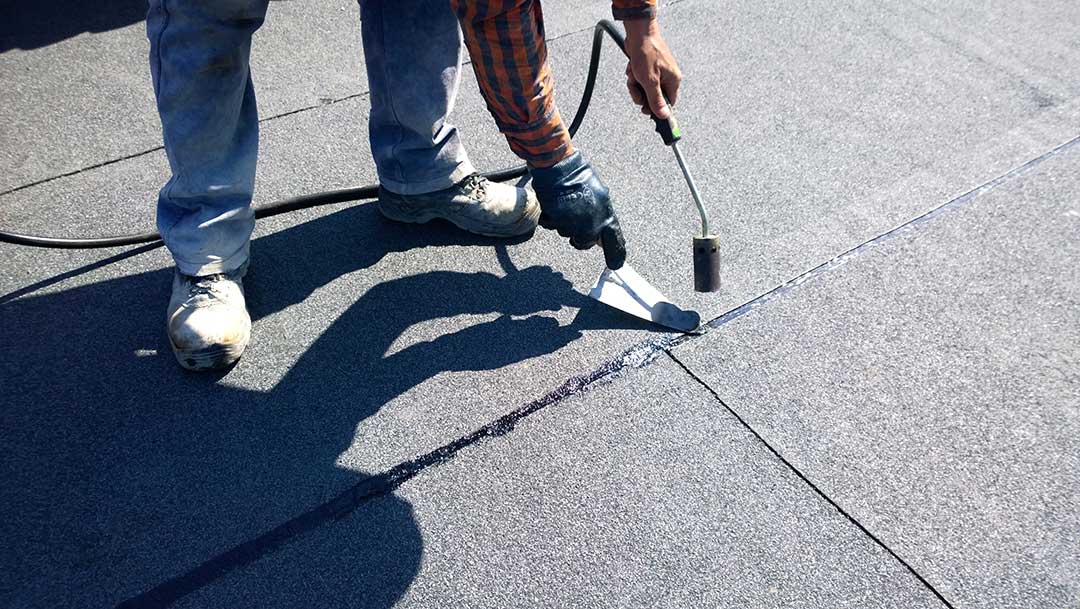
What symptoms mean an inspection should happen soon?
Some roof problems are easy to mistake for ordinary aging or household moisture. An inspection is warranted when any of these conditions appear:
Water stains or damp areas
Brown, yellow, or spreading ceiling stains may indicate roof leakage, plumbing problems, condensation, or ice-dam-related water entry. The visible stain does not always mark the exact location of the exterior defect.
Granules in gutters
A small amount of granule loss can occur as shingles age, but increasing amounts may indicate surface wear or damage. Granules also collect after hail or foot traffic.
Daylight in the attic
Light visible around roof penetrations, valleys, or roof edges can indicate gaps in the roof assembly. Some small openings may be intentional ventilation, so the location and pattern matter.
Drafts or unusually cold attic areas
Air movement around attic penetrations can point to gaps in air sealing, damaged insulation, or ventilation problems. These conditions can contribute to moisture accumulation and ice dams.
Sagging or uneven roof areas
A dip may result from damaged sheathing, framing movement, trapped moisture, or long-term structural stress. It should not be dismissed as a cosmetic issue.
Does roof age determine inspection timing?
Roof age is a useful factor, but it does not provide a precise expiration date. Installation quality, materials, ventilation, sun exposure, tree cover, maintenance, and storm history all affect service life.
A relatively new roof may need inspection after wind damage, construction work, or an attic moisture problem. An older roof deserves closer monitoring even if it has not leaked. Inspections become particularly useful when the roof is approaching the expected lifespan of its materials, when repairs are becoming more frequent, or when shingles show widespread curling, cracking, brittleness, or loss of surface granules.
The attic should be included whenever possible. It can reveal wet insulation, roof-deck staining, rusted fasteners, daylight, poor ventilation, and signs of repeated condensation that are not visible from outside.
When should a roof be inspected during a home purchase or sale?
A roof inspection is appropriate during a real estate transaction, even if a general home inspection is already planned. The roof is a major building component, and its condition can affect immediate maintenance needs, insurance questions, and future repair planning.
Documentation of past leaks, repairs, storm damage, and roof replacement dates can help explain what an inspection finds. Homeowners should avoid covering stains or making cosmetic repairs immediately before an inspection because those actions may hide useful evidence of a recurring problem.
A roof inspection is also worthwhile before adding solar equipment, replacing attic insulation, remodeling an upper floor, or installing new roof penetrations. Existing defects should be understood before another project changes access or adds weight and openings.
A practical inspection schedule for local households
A simple calendar works well:
- Spring: Check for winter damage, ice-dam effects, drainage problems, and attic moisture.
- Late summer or early autumn: Look for aging materials, loose flashing, clogged gutters, and conditions that could worsen during winter.
- After severe weather: Inspect for wind, hail, falling-branch, snow, or ice damage.
- Any time symptoms appear: Do not wait for the next seasonal inspection if water entry, sagging, or structural concerns are present.
- During major property changes: Inspect before buying, selling, renovating, adding roof penetrations, or altering attic insulation.
For many homes, the most reliable habit is one full inspection each year, paired with simple ground-level observations after major storms. That schedule helps identify small defects before snow, ice, and repeated freezing temperatures make them harder and more expensive to address.
