
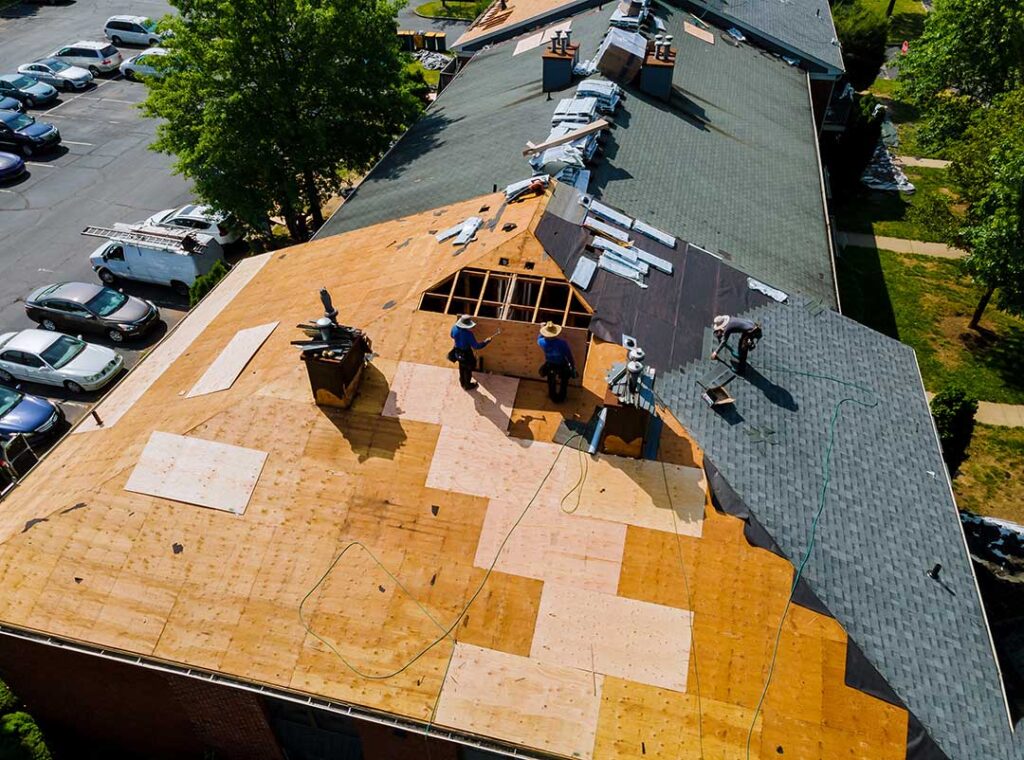
Humidity affects roofing materials mainly by increasing moisture exposure, slowing drying, and encouraging condensation inside roof assemblies. In Ithaca, NY, where homes experience wet seasons, snowy winters, summer humidity, and frequent temperature swings, roof performance depends on more than the shingles visible from the street.
What does humidity do to a roof?
Humidity is water vapor suspended in the air. It becomes a roofing concern when that vapor condenses on cooler surfaces, enters porous materials, or remains trapped in an attic or roof cavity.
A roof can be exposed to moisture from several sources:
- Outdoor air during rainy or humid weather
- Indoor air escaping through ceiling gaps and light fixtures
- Cooking, bathing, laundry, and basement moisture
- Wind-driven rain and melting snow
- Small roof leaks that allow liquid water to enter
Humidity itself does not usually destroy a roof overnight. The concern is repeated or prolonged moisture exposure. Materials that stay damp are more likely to swell, corrode, decay, grow mold, or lose their intended strength.
How does humidity affect asphalt shingles?
Asphalt shingles are designed to withstand rain, snow, sun, and normal seasonal moisture. High humidity does not automatically shorten their life, but it can contribute to problems when the roof system cannot dry properly.
Moisture may affect shingles by:
- Encouraging algae or biological growth on shaded, damp slopes
- Contributing to curling or buckling when the roof deck moves
- Keeping the underside of shingles damp after rain
- Increasing the risk of problems around poorly sealed penetrations
- Supporting moisture-related deterioration of the materials beneath the shingles
Dark staining on shingles is often associated with algae rather than structural failure. It may be more noticeable on roof sections that receive limited sunlight or are shaded by trees. Cleaning methods must be chosen carefully because aggressive pressure washing can remove protective granules and damage the shingle surface.
Humidity also matters during installation. Shingles and underlayment should be installed over a dry, stable roof deck. Trapping moisture beneath new roofing materials can create problems that are not visible until later.
Why is attic humidity especially important?
The attic is often where humidity causes the most significant roofing damage. Warm indoor air naturally rises, and if it escapes through gaps in the ceiling, it can reach the underside of the roof deck.
During cold weather, the roof deck may be much colder than the air inside the home. Moist indoor air contacting that cold surface can condense into liquid water or frost. Repeated wetting may lead to:
- Darkened or stained roof sheathing
- Mold growth on wood and insulation
- Rusted fasteners, metal flashing, or HVAC components
- Damp or compressed insulation
- Wood decay around roof edges and penetrations
- Peeling paint or water staining on ceilings
A roof can appear watertight from the outside while still experiencing moisture damage inside the attic. This is why attic inspection is useful after periods of heavy condensation, especially if there is a musty odor or visible staining.
Does roof ventilation remove humidity?
Properly designed roof ventilation helps move heat and moisture out of a vented attic. It commonly relies on intake openings near the lower roof edges and exhaust openings near the ridge or upper roof area.
Ventilation works best when:
- Intake and exhaust paths are both present
- Insulation does not block the intended airflow
- Bathroom and kitchen exhaust fans vent outdoors
- Ceiling air leaks are sealed
- The ventilation system is balanced rather than relying on a single opening
Ventilation is not a substitute for air sealing. If large amounts of warm, moist indoor air are entering the attic, adding vents alone may not solve the problem. In some situations, excessive or poorly placed ventilation can also allow wind-driven rain or snow to enter.
Unvented roof assemblies can perform well when designed with the correct insulation, air-control, and moisture-control layers. They should not be created simply by blocking existing vents without understanding how the entire roof assembly will manage vapor and condensation.
How does humidity affect different roofing materials?
Different materials respond to moisture in different ways.
Wood sheathing and framing: Wood absorbs and releases moisture. Short-term dampness may dry without lasting harm, but repeated wetting can cause swelling, warping, fungal decay, and reduced fastener holding strength.
Metal roofing and flashing: Metal does not rot, but it can corrode when moisture remains trapped against the surface, especially where protective coatings are damaged or where dissimilar metals contact each other. Condensation on the underside of metal panels can also wet insulation and sheathing.
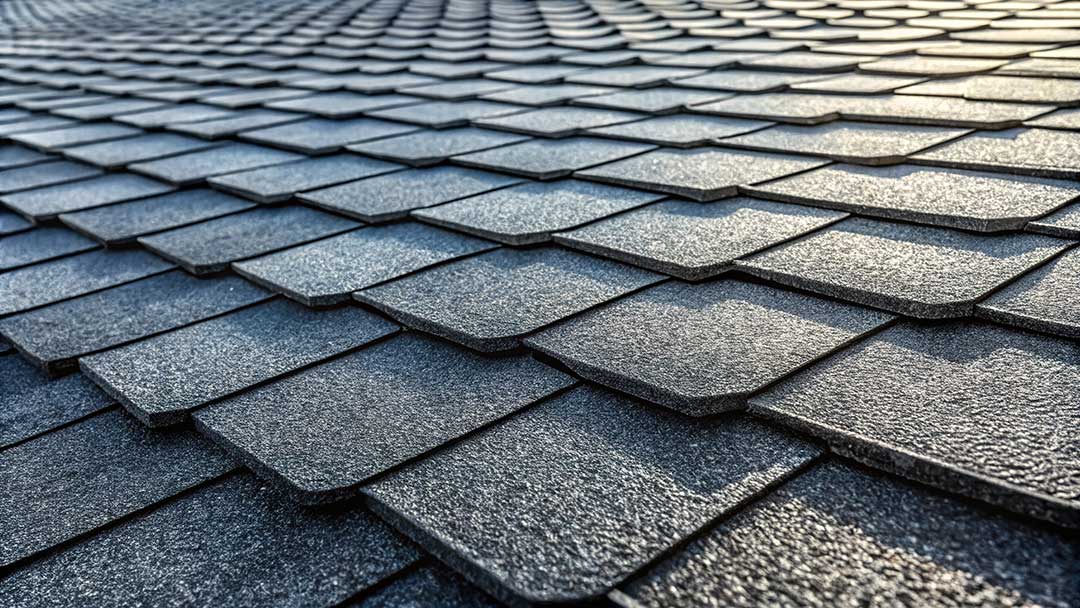
Roofing membranes: Low-slope roofs often depend on continuous membranes and carefully sealed seams. High humidity beneath a membrane or inside an assembly may cause blistering, trapped moisture, or deterioration of the deck below.
Insulation: Fiberglass and mineral wool do not provide the same insulating value when compressed or surrounded by moisture. Some insulation types can also conceal wet roof decking, making leaks or condensation harder to detect.
Flashing and sealants: Sealants can age, crack, or lose adhesion with repeated movement and temperature changes. Humidity may not be the sole cause, but persistent wet conditions can make weak joints fail sooner.
Is indoor humidity a roofing problem?
Yes. Indoor humidity can become a roof problem when moisture escapes into the attic or roof cavity.
Winter is often the most important season for indoor humidity control because warm indoor air meets cold roof surfaces. Activities that add moisture include long showers, boiling water, drying clothes indoors, and operating humidifiers.
Practical measures include:
- Using bathroom exhaust fans during showers and for a short period afterward
- Venting kitchen exhaust outdoors
- Keeping attic access covers sealed and insulated
- Sealing gaps around plumbing, wiring, chimneys, and recessed lights where appropriate
- Avoiding excessive use of portable humidifiers
- Keeping indoor humidity at a level appropriate for the season
- Checking that dryer vents discharge outdoors and remain unobstructed
Condensation on windows, damp attic insulation, or frost on the underside of roof sheathing can indicate that indoor moisture is reaching cold surfaces.
What should Ithaca homeowners look for after wet weather?
After extended rain, snow, or a quick change from freezing temperatures to thawing conditions, residents can look for signs that moisture is not drying normally.
Warning signs include:
- Water stains on ceilings or upper walls
- A musty smell in the attic
- Frost or droplets on roof sheathing
- Mold-like discoloration on wood
- Soft or sagging roof decking
- Peeling paint near attic ceilings
- Rust around nails, metal connectors, or roof penetrations
- Shingles that appear wavy, lifted, or uneven
Roof areas near valleys, chimneys, skylights, sidewalls, and roof edges deserve particular attention because they contain more transitions and drainage details.
Roof access can be hazardous when surfaces are wet, icy, steep, or covered with moss. Observations from the attic, upper-floor rooms, and ground level are often safer and still provide useful information. Active leaks, sagging materials, exposed wiring near moisture, or suspected structural decay require prompt attention because they involve more than ordinary surface maintenance.
Humidity is a normal part of the local climate, but moisture does not have to remain trapped in a roof system. Good drainage, sound flashing, controlled indoor humidity, sealed ceiling penetrations, and properly designed ventilation all help roofing materials dry between wetting events.
