
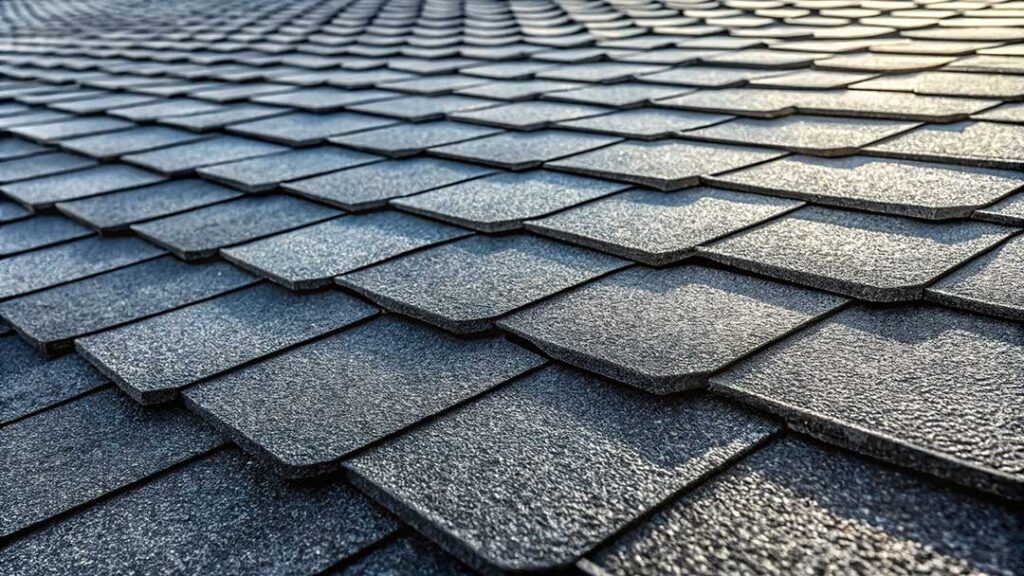
Roof decking is the structural surface directly beneath a roof’s underlayment and shingles. It spans across the roof framing, helps distribute weight, and provides the base to which many roofing materials are attached. Although it is usually hidden from view, its condition has a major effect on a roof’s durability, moisture resistance, and safety.
For homeowners in Ithaca, NY, understanding roof decking is especially useful because repeated snow, ice, freeze-thaw cycles, wind, and moisture can gradually affect the materials beneath the visible roof covering.
What is roof decking?
Roof decking, also called roof sheathing, is the layer installed over rafters or roof trusses. It creates a continuous surface across the roof and separates the interior attic space from the roof covering above.
Common decking materials include:
- Plywood
- Oriented strand board, commonly called OSB
- Tongue-and-groove boards
- Older solid wood planks
Modern roofs most often use plywood or OSB panels. Older homes may have widely spaced or closely installed wood boards, particularly if the roof was originally built for wood shingles or another historic roofing material.
The decking is not the same as the shingles, underlayment, or insulation. Each layer has a different role:
- Roof covering: Sheds most rainfall, snow, and sunlight.
- Underlayment: Adds a secondary moisture barrier beneath the roof covering.
- Decking: Provides structural support and a fastening surface.
- Framing: Includes rafters or trusses that carry the roof’s weight.
- Insulation and ventilation: Help control indoor temperature and attic moisture.
Why does roof decking matter?
Sound decking keeps the roof surface stable and helps fasteners hold properly. If the decking is weak, wet, or deteriorated, shingles may not lie flat and roofing nails may not remain securely embedded.
Damaged decking can contribute to:
- Sagging areas
- Loose or uneven shingles
- Nail pops
- Water entering around fasteners
- Soft spots under the roof covering
- Staining or mold-like growth in the attic
- Reduced resistance to snow and wind loads
Roof decking also helps spread loads across the framing. During a heavy winter snowfall, the roof covering and framing carry much of the weight, but the decking still needs to remain intact so the roof acts as a connected structural system.
What causes roof decking to deteriorate?
The most common cause is prolonged moisture exposure. A small roof leak may begin around a flashing joint, vent, chimney, skylight, or damaged shingle. If the leak continues, water can reach the decking and cause swelling, staining, rot, or loss of structural strength.
Other causes include:
Repeated freeze-thaw cycles
Water can enter small openings, freeze, expand, and then thaw. Over time, this can enlarge gaps and increase moisture intrusion. Ice dams may also allow water to back up beneath shingles along the lower edge of a roof.
Poor attic ventilation
Warm, moist air from the living space can enter the attic through air leaks. If it cannot escape properly, condensation may form on the underside of the decking. This can create damp conditions even when there is no obvious roof leak.
Long-term roof covering failure
Roof coverings become less effective as they age. Cracked, curled, missing, or brittle shingles can expose the underlayment and decking to water. A roof may appear generally intact while concealed damage develops beneath isolated areas.
Improper installation or maintenance
Insufficient flashing, exposed fastener heads, blocked drainage paths, and poorly sealed penetrations can all increase the chance of water reaching the sheathing.
How can a homeowner recognize damaged decking?
Some decking problems are visible only after the roof covering is removed, but several warning signs may be noticed from inside or outside the home.
In the attic, look for:
- Dark water stains
- Sagging between rafters or trusses
- Damp or soft wood
- Peeling layers or swollen panel edges
- Musty odors
- Condensation or frost on the underside of the roof
- Daylight showing through unintended gaps
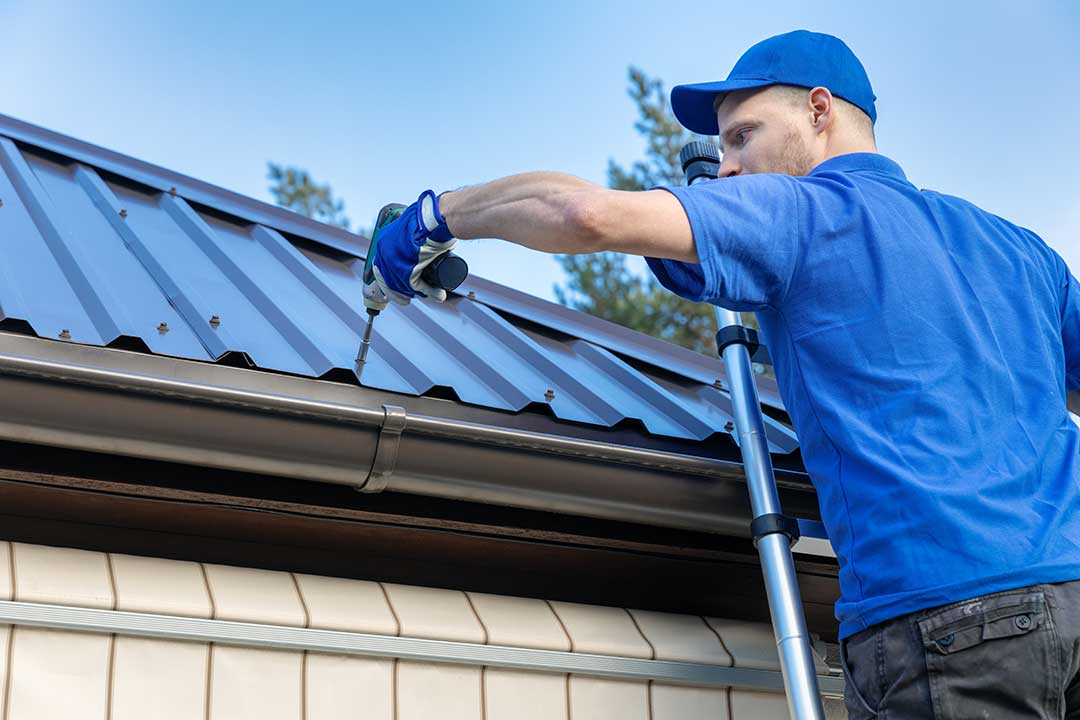
From the exterior, uneven roof planes, localized dips, or shingles that do not lie flat may indicate a problem beneath them. These signs can also result from damaged framing or installation issues, so they do not identify the exact cause by themselves.
A ceiling stain does not always appear directly below the leak. Water can travel along rafters, decking, insulation, or other building materials before entering the living space.
Does all roof decking need to be replaced during a reroof?
No. Roof decking does not automatically need replacement simply because the shingles are being replaced. Sections that are dry, firm, flat, and properly attached may remain in place.
Replacement is more likely when decking is:
- Rotten or soft
- Delaminated
- Swollen at panel edges
- Severely water-stained and weakened
- Sagging
- Split or broken
- Unable to hold roofing nails securely
Small areas of damage may be replaced with matching structural panels or boards. More extensive deterioration may require broader repairs so the new roof covering has a stable, even surface.
The condition can often be confirmed only after the existing roof covering is removed. A visual inspection from the ground or attic can identify warning signs, but it cannot reveal every concealed defect.
What is the difference between plywood and OSB decking?
Plywood is made from thin wood layers glued together with alternating grain directions. OSB is made from compressed wood strands bonded into panels. Both are widely used as roof sheathing when selected and installed appropriately.
The quality of either material depends on factors such as:
- Correct thickness for the framing spacing
- Proper panel orientation
- Adequate fastening
- Suitable edge support
- Protection from prolonged wetting
- Proper spacing to allow for normal expansion
OSB can swell at exposed edges if it remains wet for too long. Plywood can also delaminate, soften, or lose strength after repeated moisture exposure. Material type alone does not determine whether a roof is sound; installation and moisture control are equally important.
How does Ithaca’s climate affect roof decking?
Seasonal moisture is a significant concern for homes in the area. Snow accumulation, wind-driven rain, spring thaw, shaded roof sections, and repeated temperature changes can all increase the time that roofing materials remain damp.
Older houses may also have several layers of roofing, past repairs, or a mixture of original boards and newer panels. These conditions can make the decking less uniform and may hide localized damage until the roof covering is removed.
Keeping gutters and drainage paths clear helps reduce water backup, but it does not correct damaged flashing, inadequate attic ventilation, or a roof covering that has reached the end of its service life.
Can damaged roof decking be repaired from inside the attic?
Usually, roof decking is repaired from above after the roof covering is removed. This allows the damaged section to be cut out and replaced with properly supported material.
Attic-side repairs may be possible for limited situations, but they are not a universal solution. Adding a board beneath a weakened area may provide temporary support without removing the moisture-damaged wood or correcting the leak that caused the problem.
Because roof work involves fall hazards, electrical equipment, sharp materials, and structural concerns, repairs on steep or elevated roofs require appropriate safety measures. Persistent leaks, visible sagging, widespread rot, or uncertainty about structural stability should be treated as conditions requiring qualified evaluation.
Understanding the decking beneath a roof helps explain why a roof can look acceptable from the street while still having hidden problems. The shingles may be the most visible layer, but the sheathing beneath them is what gives the roof a stable surface and helps the entire assembly perform through wet summers, snowy winters, and repeated seasonal changes.
