
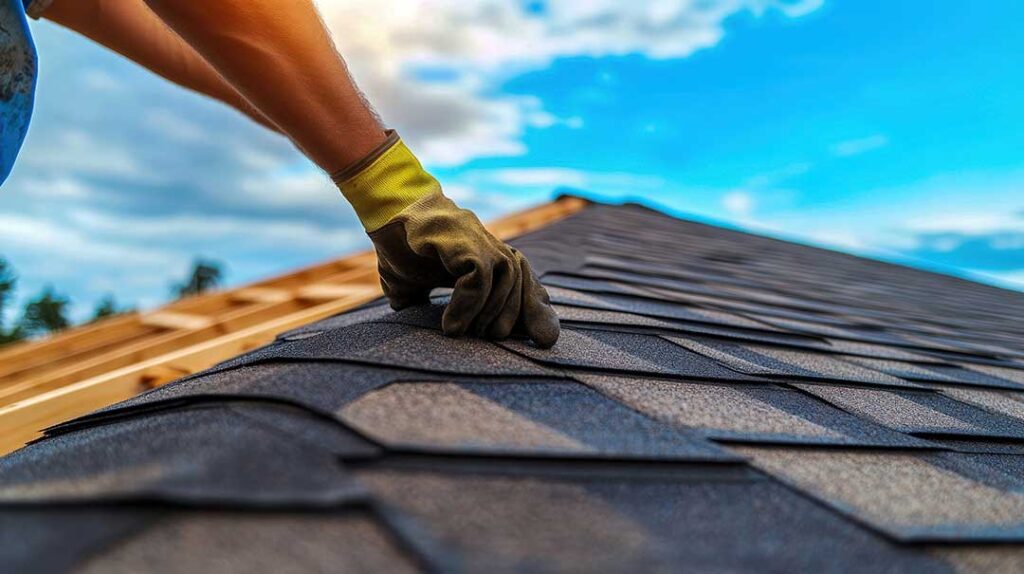
Roof damage can be difficult to document because much of the problem may be above eye level, hidden beneath shingles, or developing inside the attic. Clear records help an insurance company understand what happened, distinguish storm damage from older wear, and evaluate the cost of covered repairs.
For residents of Ithaca, NY, documentation is especially useful after heavy snow, ice, high winds, hail, falling branches, or rapid freeze-thaw cycles. The goal is to create a dated, organized record without putting anyone at risk.
What should be done first after roof damage?
First, protect people and prevent additional damage. Do not climb onto a wet, icy, steep, or visibly unstable roof to take pictures.
From ground level, look for obvious signs such as:
- Missing, lifted, curled, or cracked shingles
- Exposed underlayment, decking, or roof framing
- Dented metal flashing, vents, gutters, or downspouts
- Fallen branches or other objects on the roof
- Sagging roof sections
- Water stains or active dripping indoors
- Damaged siding, windows, ceilings, insulation, or attic materials
If water is entering the home, place containers beneath leaks, move belongings away from the affected area, and use towels or temporary barriers to limit interior damage. Emergency action should be limited to what is reasonably necessary to protect the property.
Do not make permanent repairs or discard damaged materials before the insurer has had a reasonable opportunity to inspect, unless leaving the condition in place would create a safety hazard or cause further damage.
How should roof damage be photographed and recorded?
Take wide, medium, and close-up photographs. A wide photo shows where the damage is located on the building. A medium photo connects the damage to a specific roof slope or exterior wall. A close-up shows details such as lifted shingle tabs, punctures, dents, broken flashing, or exposed fasteners.
Photograph the property in a logical sequence:
1. The entire front, rear, and sides of the home
2. Each roof slope that can be seen safely from the ground
3. Gutters, downspouts, vents, chimneys, skylights, and flashing
4. Fallen trees, branches, or other objects that may have caused impact
5. Interior ceilings, walls, attic areas, and insulation
6. Furniture, appliances, stored belongings, and other items affected by water
7. Temporary protective measures, such as tarps or containers
Take photos before cleanup whenever possible. Avoid altering the scene simply to make the damage easier to see. For example, do not pull off loose shingles or move a fallen branch before documenting its position.
Video can add useful context. A slow recording can show the path of water, the extent of ceiling staining, or the relationship between a fallen branch and the roof. Keep the original files rather than relying only on compressed versions sent through text messages.
What details should accompany each photo?
A photograph is more useful when it has a date, location, and explanation. Create a simple damage log that includes:
- Date and approximate time the damage was discovered
- Date and approximate time of the suspected storm or event
- Weather conditions noticed at the property
- Location of each damaged area
- Description of what appears damaged
- Whether water entered the home
- Temporary actions taken
- Names of people contacted and dates of conversations
For example, instead of writing “roof damage,” record: “Three lifted shingles on the rear roof slope above the kitchen; water stain appeared on the kitchen ceiling the morning after strong wind and rain.”
Avoid guessing about the cause or making technical statements that cannot be confirmed. Describe what was observed. The adjuster or other qualified inspector can evaluate whether the condition is consistent with wind, hail, snow, ice, impact, aging, or another cause.
How can older roof conditions be distinguished from new damage?
Insurance generally focuses on damage caused by a covered event, not ordinary deterioration. That makes pre-loss evidence valuable.
Look for older photographs that show the roof before the storm. Useful sources may include:
- Routine home photographs
- Real estate listing photos
- Renovation records
- Roofing or maintenance invoices
- Inspection reports
- Home inventory videos
- Photographs taken before winter weather
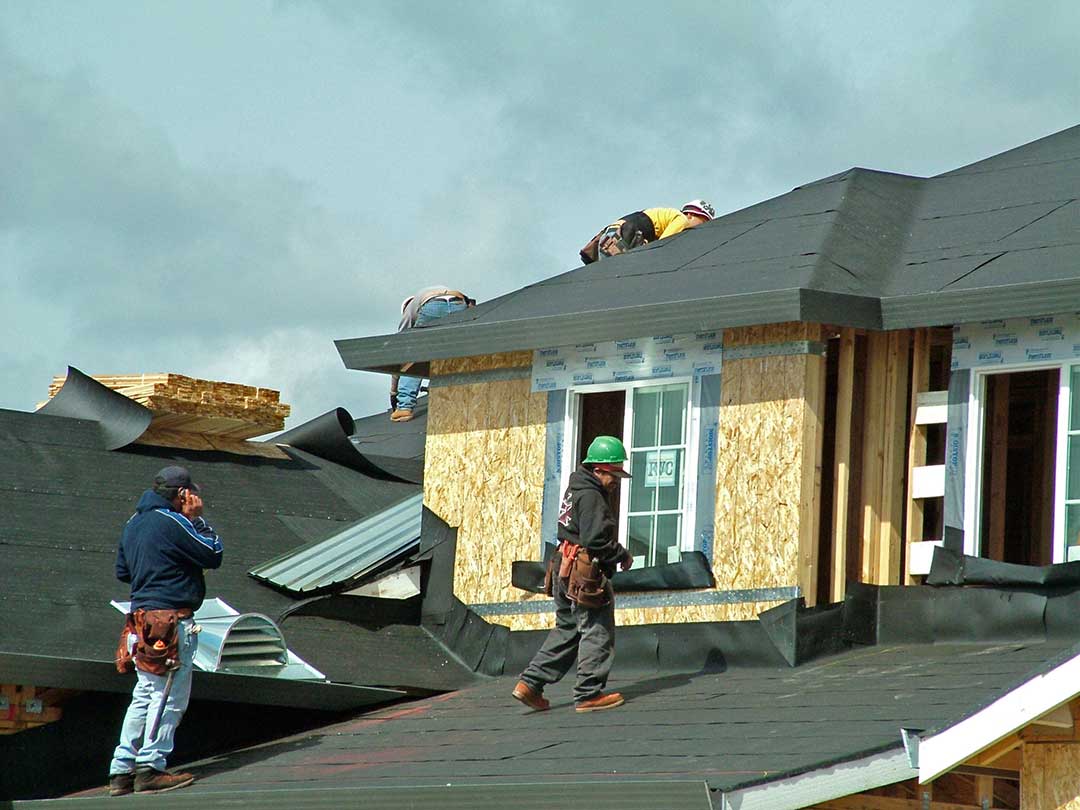
Do not assume that every visible problem came from the latest storm. Curling, widespread granule loss, long-term algae growth, brittle shingles, and deteriorated flashing may indicate age or maintenance issues rather than one recent event.
At the same time, older roofing materials do not automatically eliminate coverage for new storm damage. A dated record can help show which conditions existed before the loss and which appeared afterward.
What paperwork should be saved?
Keep all documents in one digital folder and, if possible, a backup location. Include the insurance policy, declarations page, deductible information, claim number, photographs, videos, repair records, and written communications.
Save receipts for reasonable emergency expenses, including temporary materials, water-removal supplies, protective coverings, or other work needed to prevent additional damage. Record the date, amount, purpose, and payment method for each expense.
If personal property was damaged, prepare a room-by-room inventory. For each item, list:
- Description and quantity
- Approximate age
- Original purchase price if known
- Estimated replacement cost
- Visible damage
- Receipts, photographs, manuals, or other proof of ownership
Do not throw away damaged belongings unless they present a health or safety problem or the insurer gives permission. If disposal is necessary, photograph the item thoroughly and keep any available receipts or samples.
When should the insurance company be notified?
Notify the insurer promptly after discovering significant damage. Policies commonly require prompt notice, and the insurance company can explain its claim procedures and documentation requirements.
Ask for the claim number and the name of the assigned adjuster. Keep a communication log showing the date, time, person contacted, and summary of what was discussed. After important telephone conversations, send a brief written summary so there is a clear record of the understanding.
Provide the insurer with photographs, videos, inventories, receipts, and repair information in the requested format. Keep copies of everything submitted.
What temporary roof work is appropriate?
Temporary work may be necessary to keep rain, snow, or melting ice from causing more damage. Examples include covering an opening, removing a dangerous hanging object from the ground, or placing protective materials over exposed areas when it can be done safely.
Do not climb onto the roof during unsafe conditions. In the winter, snow and ice can conceal weak areas and create fall hazards. Roof access may also disturb evidence or cause additional damage.
Permanent replacement, reroofing, or extensive interior reconstruction should generally wait until the insurer has inspected the loss or confirmed that work may proceed. If urgent work cannot wait, photograph the condition first and preserve removed materials when practical.
Does flooding count as roof or homeowners insurance damage?
Water entering through a storm-damaged roof is different from water entering because of rising groundwater, surface flooding, or drainage overflow. Standard homeowners policies commonly exclude flood damage, while flood insurance is generally handled under a separate policy.
The source of the water matters. Document where water entered, whether there was roof impact or an opening, how high the water rose, and which areas or belongings were affected. Report the loss under every policy that may apply, including separate flood coverage if the damage involves flooding.
What mistakes can weaken documentation?
Common problems include taking only close-up photos, cleaning up before recording the condition, failing to document the interior, and relying on memory for dates and conversations.
Other mistakes include exaggerating damage, claiming unrelated defects, signing repair agreements before understanding them, or allowing someone to remove materials without keeping photographs and records. Accurate documentation is more credible than a large volume of unclear or duplicated images.
For serious injuries, unstable structures, exposed electrical systems, or major storm damage, safety should take priority over collecting evidence. A roof claim can be documented from the ground and from inside the home without taking unnecessary risks.
