

Roof damage rarely stays limited to the original problem. A missing shingle, loose flashing joint, or small leak can allow water, wind, and freezing temperatures to affect larger parts of a home. In Ithaca, NY, seasonal weather makes timely roof maintenance especially important because roofs must handle snow, ice, heavy rain, strong winds, and repeated freeze-thaw cycles.
What happens when a small roof problem is ignored?
A neglected roof defect usually allows moisture to move beyond the visible damaged area. Water may travel along roof decking, rafters, insulation, wall cavities, or ceilings before leaving an obvious stain.
A few common examples include:
- A cracked pipe flashing can allow water around the plumbing vent and into the attic.
- A lifted shingle can expose underlayment and wood decking to rain and snow.
- Damaged valley materials can redirect water beneath nearby roofing.
- A clogged or poorly draining gutter can cause water to back up under the roof edge.
- Small ceiling discolorations may indicate a larger hidden area of damp insulation or deteriorated wood.
The location of a ceiling stain does not always match the location of the roof defect. Water can travel horizontally before it becomes visible inside the home.
Can a minor leak cause structural damage?
Yes. Repeated moisture can weaken roof decking, framing, fascia, soffits, and wall components. Wood that remains damp may soften, swell, split, or begin to decay. Over time, a small repair can become a more involved structural problem.
Structural damage may be difficult to recognize from the ground. Warning signs can include:
- A sagging area on the roof surface
- Soft or spongy spots in the attic floor or roof decking
- Sticking doors or windows near a leak
- Cracks appearing around ceilings or upper walls
- Sagging drywall
- Rusted fasteners or darkened framing in the attic
- A musty odor that returns after rain
A roof does not have to collapse for moisture damage to affect the structure. Even moderate deterioration can reduce the roof’s ability to support snow and resist wind.
Why are Ithaca’s seasons hard on roofs?
The local climate exposes roofing materials to repeated changes rather than a single type of weather. Winter snow and ice can remain on a roof for extended periods, while spring brings rain, runoff, and frequent temperature swings. Summer heat and sunlight age exposed materials, and autumn debris can collect in drainage paths.
Freeze-thaw cycles are particularly damaging. Water enters a small crack or gap, freezes, expands, and enlarges the opening. When temperatures rise, the water drains farther into the roofing system. Repeated cycles can loosen flashing, split sealants, and worsen cracks around vents and chimneys.
Snow and ice also add weight. A sound roof is designed to carry expected seasonal loads, but weakened decking, concealed rot, or poor drainage can reduce the margin of safety.
Does a roof leak always produce a ceiling stain?
No. A roof can leak without creating an immediate visible mark indoors. Water may be absorbed by insulation, follow framing, or remain in the attic until a heavier storm produces enough moisture to reach the ceiling.
Some leaks appear only under specific conditions. Wind-driven rain may enter through flashing gaps that do not leak during calm rainfall. Melting snow may reveal problems around roof edges, valleys, chimneys, and roof penetrations even when the roof appears dry during other seasons.
This is why a leak that “stopped” may not be repaired. The weather changed, but the opening may still exist.
How can neglected repairs affect insulation and indoor air quality?
Wet insulation loses some of its insulating ability and may remain damp long after the visible leak disappears. This can contribute to higher heating and cooling costs because the attic or upper building envelope no longer performs as intended.
Persistent moisture also creates conditions that support mold growth on wood, paper-faced drywall, insulation materials, and other surfaces. A musty smell, recurring discoloration, or visible spotting in an attic should not be dismissed as a cosmetic issue.
Moisture can also travel into wall cavities, where it may be difficult to detect without opening materials. Problems hidden inside walls may continue even after a ceiling is repainted.
Can delaying repairs lead to more expensive work?
Often, yes. Early repairs may involve replacing a limited amount of roofing material or correcting a single flashing detail. Delays can allow water to damage multiple layers, including underlayment, decking, insulation, framing, siding, trim, or interior finishes.
The repair cost is not determined only by the size of the original defect. It also depends on:
- How long moisture has been entering
- Whether the roof deck has weakened
- Whether insulation or drywall must be removed
- Whether the leak affected electrical components
- Whether several roofing details failed at the same time
- Whether cold weather or snow limits access and drying
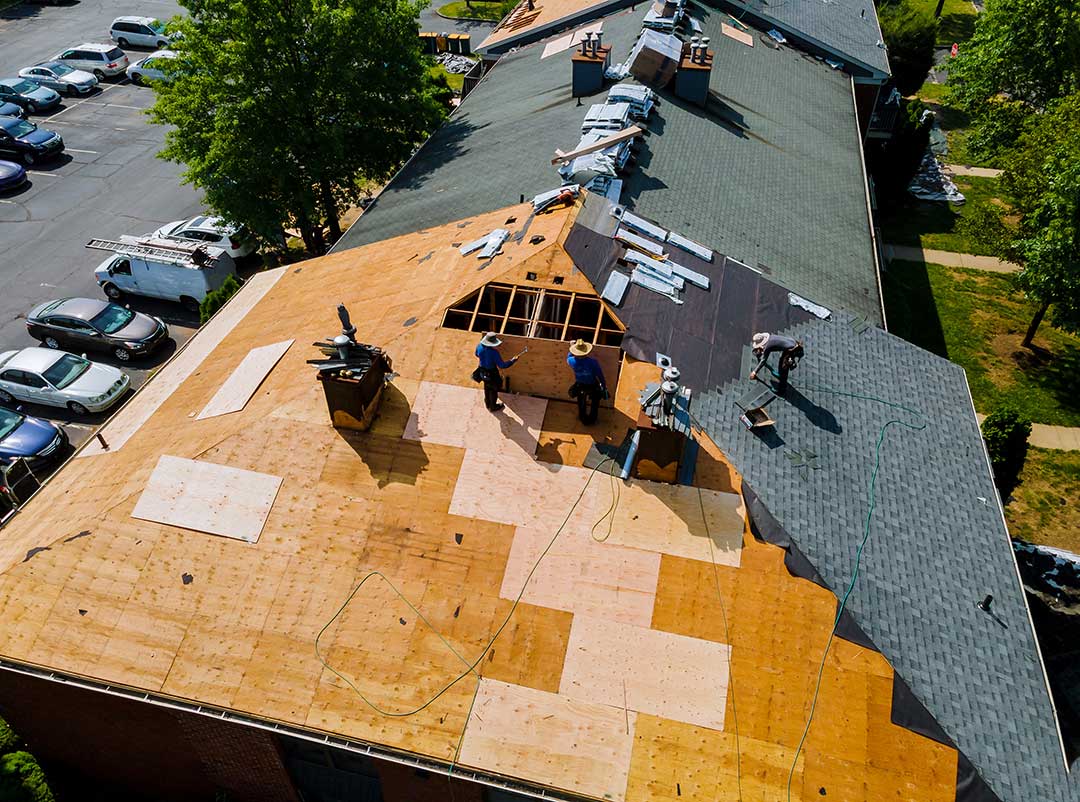
A small roof issue may remain manageable for a period, but there is no reliable way to predict how quickly hidden damage will develop.
Which roof problems require prompt attention?
Active water entry, exposed decking, major missing roofing materials, and structural sagging deserve prompt evaluation. Electrical hazards should also be treated seriously. Water near light fixtures, wiring, outlets, or electrical panels can create a shock or fire risk.
Urgent warning signs include:
- Water dripping through a ceiling
- A ceiling that is bulging or sagging
- A large section of missing or displaced roofing
- Roof framing that appears cracked or weakened
- Ice buildup associated with interior leaking
- Strong wind damage after a storm
- Water entering near electrical equipment
If a ceiling is sagging from accumulated water, people should stay clear of the area. Removing a light fixture cover or disturbing wet electrical components can be dangerous. Temporary measures may reduce additional water entry, but they do not correct the underlying roof defect.
Are temporary repairs enough?
Temporary measures can limit damage during a storm or while conditions are unsafe, but they should not be treated as permanent repairs. Plastic sheeting, roof cement, or interior buckets may help control immediate water, yet these measures can conceal the problem or fail under wind, snow, and continued rainfall.
Roof surfaces become especially hazardous when wet, icy, snow-covered, or steep. Walking on a roof during those conditions can cause falls and may create additional damage. Any work involving electrical hazards, structural instability, or difficult roof access requires appropriate safety precautions and, when necessary, qualified assistance.
What should residents check after severe weather?
After heavy rain, strong wind, or substantial snow and ice, a ground-level inspection can reveal signs of trouble without requiring anyone to climb onto the roof. Look for missing shingles, loose metal, damaged trim, sagging areas, displaced vents, and unusual debris.
Inside the home, inspect accessible attic areas and upper ceilings for damp insulation, new stains, dripping, musty odors, or daylight visible through the roof decking. Check gutters and downspouts for heavy granule buildup, shingle fragments, blockages, or water overflowing near the foundation.
Documenting changes with dated photographs can help distinguish new damage from older discoloration. Repairs are generally easier to plan when the source and timing of the problem are clearly recorded.
Why should roof repairs be addressed before winter?
Pre-winter repairs can reduce the chance that snow, ice, and freeze-thaw cycles will enlarge existing defects. Small openings around flashing, roof edges, and penetrations may become more difficult to inspect once covered by snow or ice.
A sound roof also helps protect insulation, framing, and interior finishes during the heating season. Before winter, useful maintenance includes checking drainage paths, examining visible flashing, removing leaf buildup where safe, and addressing known leaks rather than waiting for the next storm to reveal them.
Neglect does not make roof damage disappear. It usually gives water and weather more time to reach materials that are harder, less accessible, and more expensive to restore.
