
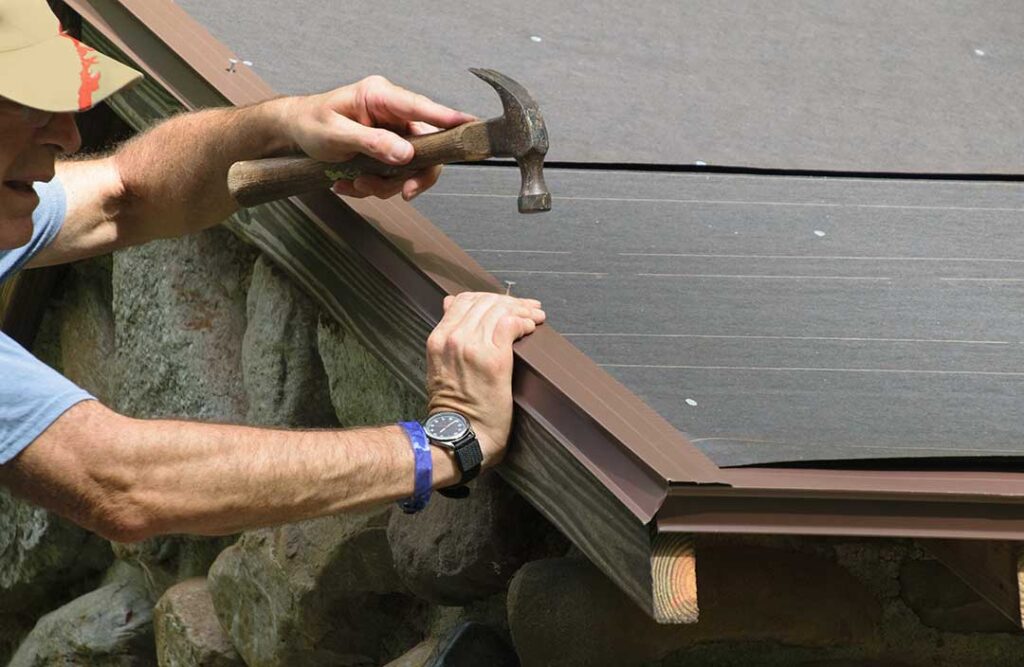
A roof lasts longer when moisture, ice, wind, heat, and small defects are addressed before they become larger failures. For homes in Ithaca, NY, regular observation and seasonal maintenance are especially useful because roofs must handle heavy rain, winter snow, freeze-thaw cycles, and falling leaves.
Roof care does not mean climbing onto the roof frequently or making repairs without the right equipment. Many useful steps can be completed from the ground or from a safely positioned ladder. Work at roof level should be left to someone trained and properly equipped when surfaces are steep, wet, icy, or damaged.
What shortens a roof’s life?
The most common causes of premature roof aging are persistent moisture, poor drainage, inadequate ventilation, storm damage, and delayed repairs. Roofing materials usually deteriorate gradually, so early warning signs may be easy to overlook.
Common problems include:
- Missing, cracked, curled, or loose shingles
- Damaged flashing around chimneys, vents, skylights, and wall intersections
- Gutters that overflow or pull away from the roofline
- Moss or organic debris holding moisture against shingles
- Attic condensation caused by poor ventilation or air leakage
- Ice dams that allow water beneath roof materials
- Repeated foot traffic that damages shingles and weakens seal strips
A roof that looks acceptable from the yard can still have trouble around penetrations, valleys, eaves, or less visible slopes. Periodic observation from several angles is more useful than inspecting only the front-facing side.
How often should a roof be inspected?
A practical schedule is to look over the roof and drainage system at least twice each year: once after winter and again in early autumn. Additional checks are sensible after high winds, heavy snow, hail, or a fallen branch.
A ground-level inspection should look for:
- Shingles or roofing pieces in the yard
- Uneven areas, sagging lines, or visible depressions
- Granules collecting near downspouts
- Rusted, displaced, or damaged metal flashing
- Water stains on exterior walls or ceilings
- Gutter sections that overflow during rain
- Daylight or damp insulation visible in the attic
After a severe storm, interior spaces below the roof should also be checked. A small ceiling stain may indicate a leak that is intermittent rather than harmless.
Why are gutters and downspouts so important?
Gutters and downspouts protect the roof edge, siding, foundation, and surrounding soil by moving water away from the building. Clogged or poorly positioned drainage allows water to back up beneath shingles and soak roof edges.
Leaves, twigs, and sediment are common sources of blockage, especially during autumn. Cleaning frequency depends on the number of nearby trees, but gutters should be checked before winter and again after major leaf drop. Downspouts should discharge water far enough away from the foundation that it does not flow back toward the building.
Look for these drainage problems:
- Water spilling over the front of the gutter
- Sagging sections that hold standing water
- Downspouts disconnected from elbows or extensions
- Soil erosion below the discharge point
- Dark staining or decay along the roof edge
- Ice forming repeatedly in the same gutter area
A gutter should not be used as a support point while climbing. If access is unsafe, observation from the ground is preferable to risking a fall.
How can winter weather damage a roof?
Snow itself is not always harmful, but excessive weight, repeated melting and refreezing, and ice dams can create problems. Ice dams form when heat escapes into the attic and melts snow on warmer sections of the roof. The water may refreeze near colder eaves, creating a barrier that directs water beneath roofing materials.
Reducing ice-dam risk starts in the attic. Insulation should limit heat transfer from the living space, while ventilation should allow the roof assembly to remain closer to outdoor temperatures. Air leaks around attic hatches, light fixtures, plumbing penetrations, and ductwork can add warm, moist air to the attic.
Helpful winter practices include:
- Keep attic insulation dry and evenly distributed.
- Make sure soffit and ridge or roof vents are not blocked.
- Do not chip ice from shingles, which can cause damage.
- Avoid using salt or harsh chemicals on roofing materials.
- Remove snow only when its weight or location creates a genuine concern and the work can be done safely.
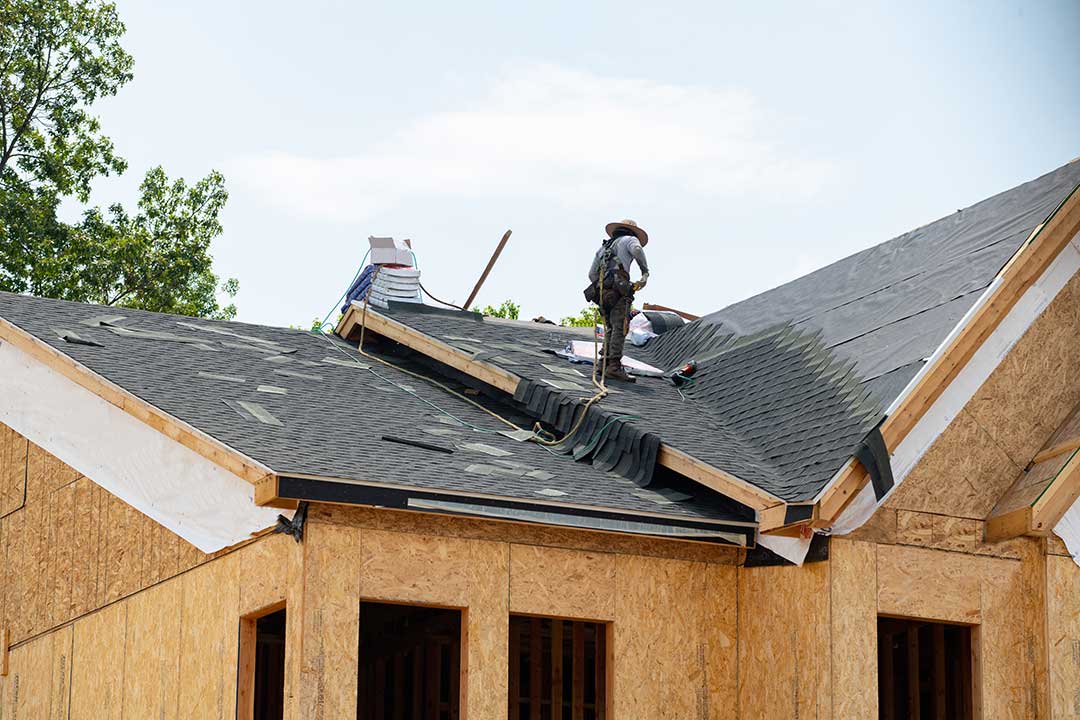
Large snow loads, active leaks, or extensive ice buildup may require qualified assistance because improvised removal can injure people and damage the roof.
Does attic ventilation extend roof life?
Proper attic ventilation can help moderate temperature and moisture levels, but adding a vent by itself does not solve every attic problem. Ventilation works as part of a balanced system that includes intake openings near the eaves and exhaust openings near the roof peak or upper roof area.
Poor attic conditions can contribute to:
- Moisture-related wood decay
- Mold growth on roof framing or insulation
- Premature aging of shingles
- Rusted fasteners and metal components
- Frost accumulation during cold weather
- Higher indoor humidity and uncomfortable rooms
Bathroom and kitchen exhaust should discharge outdoors through properly routed ducts rather than into the attic. Signs of attic moisture include damp insulation, water droplets on nails, frost, musty odors, and darkened roof sheathing.
Should moss and algae be removed?
Moss should not be ignored because it can hold moisture against roofing materials and may lift shingle edges as it grows. Small amounts can sometimes be addressed with gentle methods, but aggressive scraping, pressure washing, or walking repeatedly across shingles can shorten their life.
Tree branches should be trimmed where they rub against the roof or drop heavy amounts of debris. Shade can also slow drying after rain, so areas beneath dense tree cover deserve closer observation. Any pruning near utility lines should be treated as a serious safety issue.
Algae staining is usually less damaging than moss, but dark streaks can indicate that a roof remains damp for long periods. Cleaning products should be compatible with the specific roofing material, and runoff should not be directed toward plants, pets, or storm drains without considering environmental effects.
What roof maintenance can homeowners safely do?
The safest routine work generally happens from the ground, attic, or a stable ladder position rather than on the roof itself. Homeowners can often:
- Keep gutters and downspout outlets clear.
- Remove leaves from roof valleys using safe ground-based methods.
- Check attic spaces for dampness, daylight, or frost.
- Look for ceiling stains after storms.
- Keep branches from contacting roof surfaces.
- Photograph visible changes so they can be compared over time.
- Replace deteriorated pipe boots or flashing only when the work is within their skill and safety limits.
Roof surfaces become particularly hazardous when wet, frosted, moss-covered, or covered with loose granules. Anyone working above ground level should use appropriate fall protection and avoid relying on a ladder placed on snow, ice, or uneven ground.
When does a small roof problem need prompt attention?
A roof issue deserves prompt evaluation when water is entering the building, the roof deck is sagging, shingles are missing over a large area, flashing has separated, or storm damage has exposed underlayment. Delaying repairs can allow water to reach insulation, framing, ceilings, and interior finishes.
Not every stain means the entire roof needs replacement. The correct response depends on the roof’s age, material, installation quality, ventilation, repair history, and the extent of the damage. A localized defect may be repairable, while widespread brittleness, repeated leaks, or deteriorated decking may indicate that larger work is necessary.
Keeping records of inspections, leaks, repairs, and storm events can help identify recurring trouble spots. For homes in Ithaca, seasonal attention to drainage, attic moisture, and freeze-thaw damage is often more valuable than waiting for a visible interior leak.
