
What is roof decking?
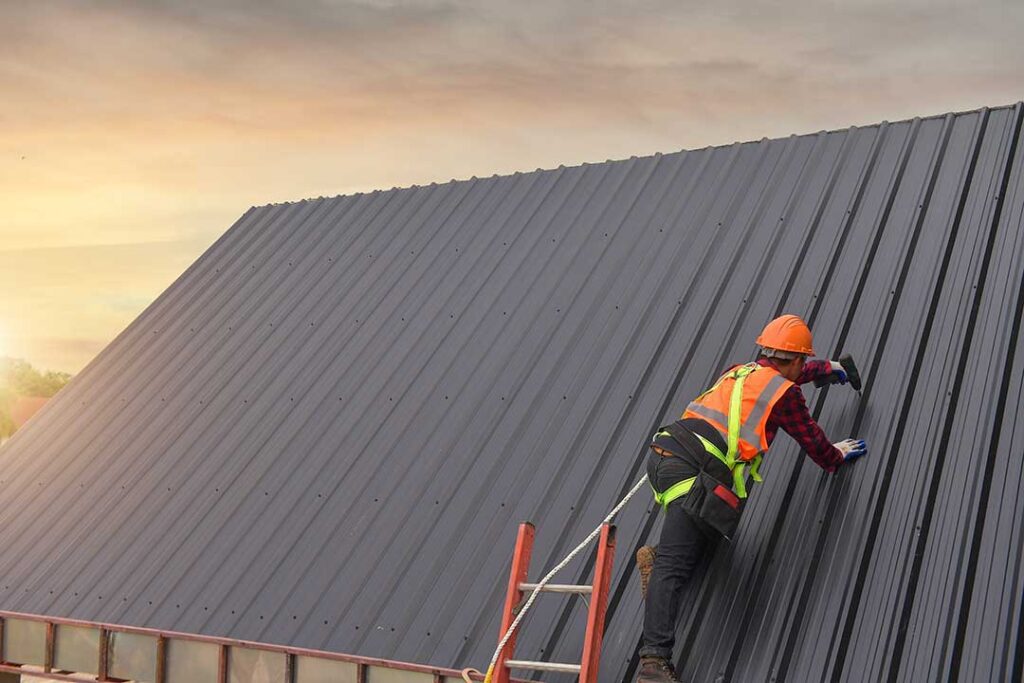
Roof decking is the structural layer installed over a home’s rafters or trusses and beneath the underlayment and outer roofing material. It provides a continuous surface for shingles, metal panels, slate, or other roof coverings while helping transfer the weight of the roof and environmental loads to the framing below.
In many houses, roof decking is made from plywood or oriented strand board, commonly called OSB. Older homes may contain solid wood boards installed side by side, sometimes with small gaps between them. The type and condition of the decking can affect how a roof is installed, how well it resists moisture, and whether the finished roof remains secure over time.
How is roof decking different from shingles and underlayment?
Roof decking is not the visible roof surface. A typical sloped roof assembly may include several layers:
- Roof framing: Rafters or trusses form the structural shape of the roof.
- Roof decking: Plywood, OSB, or solid boards span across the framing.
- Underlayment: A water-resistant layer is placed over the decking beneath the roof covering.
- Flashing: Metal or other durable materials protect transitions around chimneys, walls, valleys, skylights, and penetrations.
- Roof covering: Shingles, metal, slate, or another exterior material sheds most rain and snow.
Each layer has a different job. Shingles are designed to resist weather exposure, while the decking supports the roofing system and creates a stable base. Underlayment helps limit water intrusion if wind-driven rain or melting snow gets beneath the outer covering.
Why does roof decking matter in Ithaca?
Roof decking in Ithaca must withstand repeated moisture exposure, winter freezing, snow accumulation, and seasonal temperature changes. The area’s annual snowfall and regular freeze-thaw cycles can place stress on both the roof covering and the wood beneath it.
Moisture does not always enter through a dramatic roof leak. It may come from:
- Damaged or missing shingles
- Failed flashing around a chimney or wall
- Ice buildup near eaves
- Condensation from a poorly ventilated attic
- Wind-driven rain entering through exposed roof edges
- Improperly sealed plumbing or mechanical penetrations
Once wood decking becomes wet, it can swell, soften, delaminate, or begin to decay. Repeated wetting and drying may also cause fasteners to loosen or create uneven areas beneath the roof covering.
What materials are used for roof decking?
The most common modern materials are plywood and OSB. Both are engineered wood products, but they are manufactured differently.
Plywood is made from thin wood veneers layered with alternating grain directions. It generally holds fasteners well and may remain relatively stable when exposed to limited moisture.
OSB is made from compressed wood strands bonded into panels. It is widely used because it provides consistent panel dimensions and efficient structural performance. However, prolonged wetting can cause swelling, especially at exposed edges or damaged joints.
Older houses may have dimensional lumber decking, consisting of individual boards. This type of decking can remain serviceable for many decades, but boards may split, warp, or develop decay near recurring leak areas. Some modern roof coverings require a more continuous or closely fitted deck, so the existing board layout may need special consideration during reroofing.
How can someone tell if roof decking is damaged?
Some decking problems are visible from the attic, while others are discovered only after the outer roofing material is removed.
Possible warning signs include:
- Dark stains or water marks on the underside of the roof
- Soft, crumbly, or sagging wood
- A musty odor in the attic
- Light visible through roof joints or holes
- Insulation that is wet, compressed, or discolored
- Uneven areas noticeable from the exterior roof surface
- Ceiling stains that reappear after rain or snowmelt
A ceiling stain does not always line up directly with the source of the leak. Water can travel along rafters, trusses, insulation, or the top side of the decking before entering the living space.
Small stains may reflect an old, repaired leak, while fresh discoloration or soft wood suggests ongoing moisture. Because roof spaces can contain nails, electrical wiring, limited walking surfaces, and poor ventilation, attic inspections require caution.
Does a roof replacement always require new decking?
No. Roof decking does not automatically need replacement whenever shingles or another roof covering is replaced. Sound decking may be reused if it is structurally adequate, properly attached, reasonably flat, and compatible with the planned roofing system.
Replacement is more likely when panels or boards are:
- Rotten or weakened by long-term moisture
- Severely swollen or delaminated
- Broken, sagging, or excessively warped
- Missing or inadequately attached
- Too thin or widely spaced for the new roof covering
- Covered by widespread mold or decay caused by persistent moisture
Some limited damage can be addressed by replacing individual sections. Widespread deterioration may require more extensive work because the decking supports the fasteners that hold the roof covering in place.
What happens when damaged decking is found during roofing work?
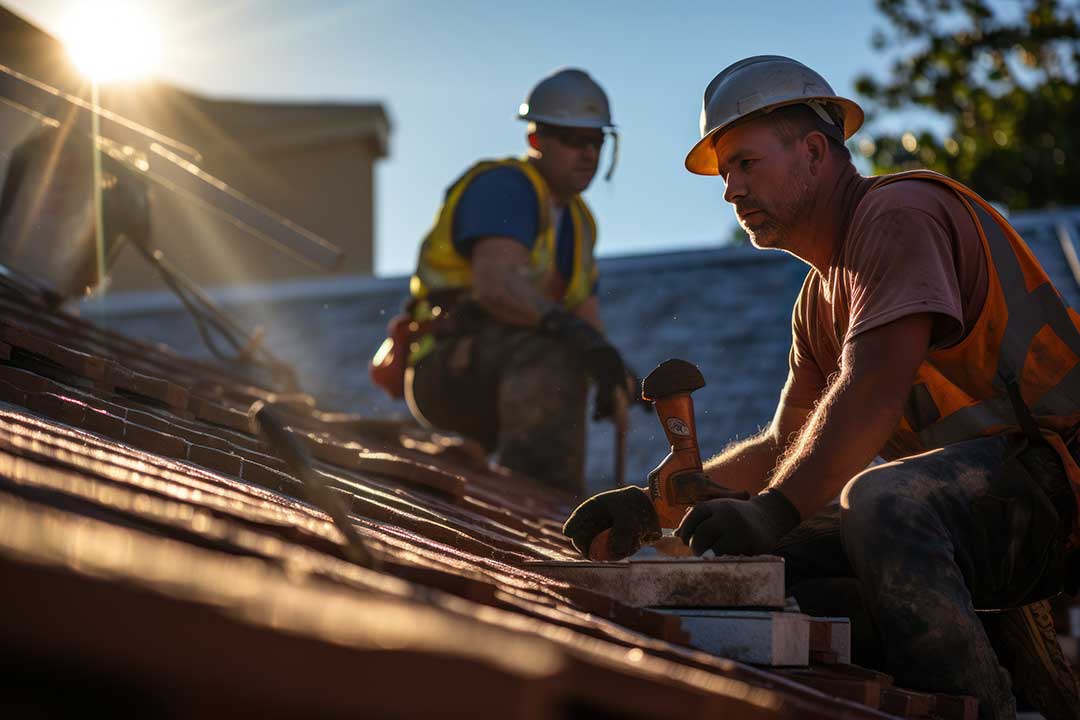
Roofing materials are usually removed in sections so the condition of the decking can be examined. Damaged areas may be marked, cut out, and replaced with properly sized panels or boards.
Replacement decking should generally be supported by the roof framing along its edges and fastened according to the applicable construction requirements and the roofing system’s specifications. Panel joints, thickness, fastener spacing, and edge support all matter. A patch that looks solid from below may still be inadequate if it is not properly supported.
In New York, roof work may also involve inspection requirements, permit rules, ice-barrier provisions, and other code considerations. Requirements can vary according to the type of building, scope of work, and applicable code edition. Roof decking should not be treated as a purely cosmetic layer.
Can new shingles hide a decking problem?
They can temporarily conceal it, but they do not correct structural or moisture damage. New roofing material installed over weak, wet, or uneven decking may have an abbreviated service life and may show premature distortion.
A roof can also appear sound from the outside while the underside of the decking is deteriorating. This is why a careful roof evaluation may include attic observations, examination of roof edges and penetrations, and inspection of the deck when the covering is removed.
Homeowners should be cautious about assuming that every dark mark requires complete deck replacement, but they should also question any plan to cover visibly soft or structurally compromised wood without addressing the cause.
How can roof decking last longer?
The decking itself is protected by the rest of the roof system. Useful maintenance practices include:
- Keep gutters and drainage paths clear so water does not back up beneath roof edges.
- Inspect areas around chimneys, walls, skylights, and vents for failed flashing.
- Watch for attic condensation, especially during cold weather.
- Maintain balanced attic ventilation without blocking soffit openings.
- Address missing, cracked, or displaced roof-covering materials promptly.
- Check the attic after major rain or snowmelt for fresh moisture.
- Avoid storing heavy materials in attic areas that were not designed for extra loads.
For local homes, the combination of snow, wind, damp conditions, and freeze-thaw movement makes water management especially significant. A roof deck that stays dry and properly supported can remain serviceable for many years, while a small recurring leak can gradually create a much larger structural problem.
