
Choosing a roofing material involves more than comparing appearance and price. The right option must suit the roof’s slope, the home’s structure, expected maintenance, winter conditions, and the owner’s plans for the property.
For homes in Ithaca, NY, roofing decisions should account for snow, freeze-thaw cycles, heavy rain, wind, shaded areas, and occasional ice buildup along roof edges. No material is ideal for every house. Each has practical strengths and tradeoffs.
Which roofing materials are most common?
The main choices for residential roofs include asphalt shingles, metal, slate, wood shingles or shakes, synthetic roofing, and tile. Low-slope additions may use membranes or modified bitumen systems rather than traditional shingles.
The best comparison is not simply “Which material lasts the longest?” A more useful question is: Which material provides a reasonable balance of durability, weight, cost, appearance, repairability, and maintenance for this particular roof?
Are asphalt shingles a practical choice?
Asphalt shingles are usually the most accessible and adaptable roofing material for standard residential construction. They are available in many colors and styles, work on a wide range of roof shapes, and are generally lighter and less expensive than slate or tile.
Advantages include:
- Lower initial cost than most long-life roofing materials
- Broad availability and familiarity among roof installers
- Compatibility with many roof slopes and designs
- Straightforward replacement of damaged sections
- Options with improved wind, algae, impact, or reflective performance
Architectural asphalt shingles are thicker and more dimensional than basic three-tab shingles. They often provide better appearance and may offer longer expected service, although the product rating does not guarantee a specific lifespan on every home.
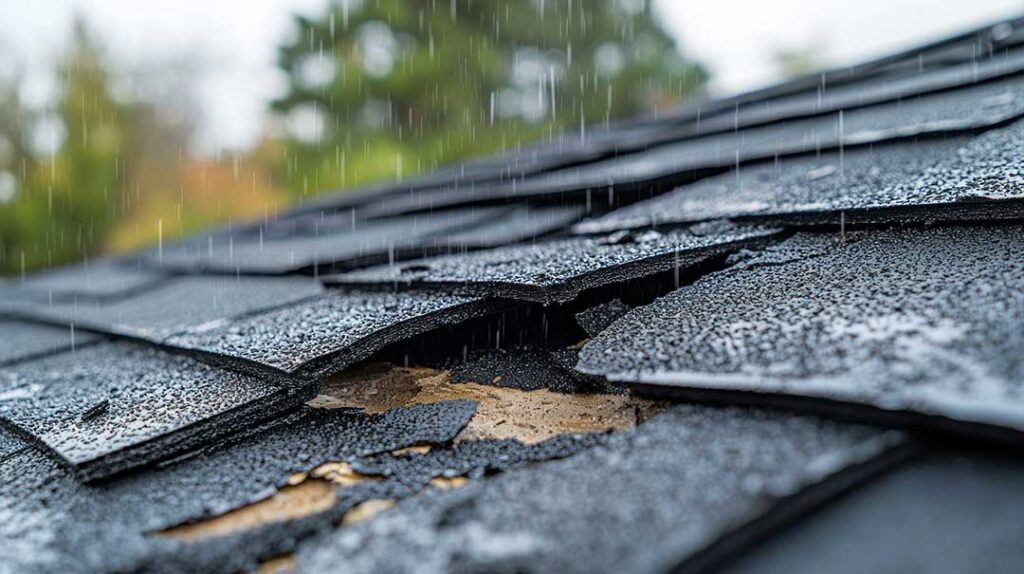
The main disadvantages are shorter service life than slate or quality metal roofing, vulnerability to aging from ultraviolet exposure and temperature changes, and possible damage from falling branches, severe wind, or repeated freeze-thaw movement. Dark shingles can also absorb substantial summer heat, particularly on roofs with little shade.
For many area households, asphalt remains a sensible choice when the existing roof structure, budget, and expected ownership period favor moderate upfront cost and relatively simple maintenance.
Does metal roofing work well in a snowy climate?
Metal roofing can perform well in cold, wet conditions when it is properly selected and installed. Standing-seam panels and metal shingles are available in several finishes, profiles, and colors. A well-designed metal roof can shed rain and snow efficiently, while concealed fasteners can reduce some exposure to weather.
Potential benefits include:
- Long service life compared with basic asphalt shingles
- Good resistance to moisture, rot, and insects
- Low weight relative to slate or concrete tile
- Strong performance on steep roofs
- Reflective finishes that may reduce summer heat gain
Metal is not maintenance-free. Scratches, poorly sealed penetrations, loose fasteners, and incompatible metals can create problems. Snow sliding from a smooth roof may also create a safety concern over entrances, walkways, lower roofs, or landscaping. Snow guards may be appropriate in locations where sliding snow could cause injury or property damage.
Rain and hail can sound louder beneath some metal roofs, although attic insulation and roof decking reduce that effect. Expansion and contraction can also produce occasional movement or noise. Metal roofing often costs more initially than asphalt, so the financial value depends partly on how long the homeowner expects to remain in the property.
What are the benefits and drawbacks of slate roofing?
Slate is a natural stone roofing material known for its appearance and potential longevity. Properly selected slate can last for many decades, and its resistance to fire, insects, and rot is a major advantage.
Its main limitation is weight. The roof framing must be capable of supporting the slate system, and not every older home can accept it without structural evaluation or reinforcement. Slate can also crack if walked on improperly or struck by falling objects. Repairs may require matching pieces that are difficult to find, especially on older roofs.
Slate is usually a poor choice for a quick, low-cost replacement. It makes more sense when the building’s structure, architectural character, and long-term ownership plans justify the added weight and expense.
A related option is synthetic slate, made from composite materials. It is usually lighter and may be easier to install, but its appearance, durability, and repair characteristics vary by product.
Are wood shingles or shakes suitable for local homes?
Wood roofing offers a natural appearance that can complement older houses, cabins, and homes surrounded by trees. Cedar is commonly used because it has some natural resistance to decay and insects.
Wood shingles are sawn more uniformly, while shakes are often split and have a more textured appearance. Both require more attention than asphalt. Moisture, moss, leaves, shade, and poor ventilation can shorten their service life. In a damp, wooded setting, debris that remains on the roof can keep the material wet and encourage deterioration.
Wood roofing may also have more restrictive fire-performance requirements than other materials. It should be evaluated carefully where roof assemblies, nearby vegetation, or local code requirements create added risk.
What about tile and other heavy materials?
Clay and concrete tile can provide a distinctive appearance and long service life. They resist rot and insects, and some tile products perform well under strong sunlight and changing temperatures.
The major concern is weight. Concrete and clay tile are substantially heavier than asphalt and many metal systems. Roof framing, decking, and supporting walls may need to be reviewed before installation. Individual tiles can also break from impact or improper foot traffic.
Tile is less common on many northern homes because its weight, cost, and installation requirements may outweigh its benefits. It can still be appropriate for a structurally suitable house with a design that accommodates it.
Are synthetic roofing materials worth considering?
Synthetic composite shingles and slate-look products attempt to reproduce the appearance of natural materials while reducing weight and maintenance. Some are made with recycled or polymer-based materials and may resist cracking, moisture, and insects.
The tradeoff is uncertainty about long-term performance. Product quality varies, and real-world aging may differ from laboratory testing. Color fading, brittleness, repair matching, and manufacturer warranty terms deserve careful review.
Synthetic roofing can be useful where a homeowner wants the appearance of slate or shake but cannot support the weight or maintenance demands of natural materials. It should be judged by documented testing, installation requirements, and the availability of replacement pieces rather than appearance alone.
What should homeowners consider besides the material?
Roofing material is only one part of roof performance. Installation details often determine whether a roof handles water and ice effectively.
Before choosing a system, consider:
- Roof slope: Some materials require minimum slopes to drain properly.
- Roof structure: Heavy slate, tile, and certain assemblies may exceed the capacity of older framing.
- Ice and water protection: In cold climates, vulnerable eaves, valleys, and penetrations need careful underlayment detailing.
- Ventilation: Poor attic ventilation can increase heat buildup, condensation, and uneven snow melting.
- Roof complexity: Valleys, dormers, skylights, and low-slope sections increase the number of vulnerable transitions.
- Tree exposure: Overhanging branches and falling limbs can influence impact resistance and maintenance needs.
- Future repairs: Unusual materials may be harder or more expensive to match years later.
- Disposal and environmental impact: Weight, recyclability, manufacturing, and replacement frequency all affect the material’s overall footprint.
New York’s residential code recognizes multiple roofing systems, but code compliance does not mean every material is appropriate for every structure. Roof covering, underlayment, flashing, ventilation, and structural capacity must work together.
Which roofing material is best for a typical home?
For many standard homes, asphalt shingles offer the simplest balance of cost, appearance, and repairability. Metal is often attractive for homeowners prioritizing longer service life, low weight, and resistance to moisture. Slate and tile can be excellent but require a suitable structure and a larger investment. Wood and synthetic materials may fit specific architectural or maintenance preferences.
The most reliable choice is the one that matches the home’s structure, roof design, exposure, and ownership plans—not necessarily the material with the longest advertised lifespan.
IMAGE_ALT:
A residential roof displays asphalt shingles, metal panels, and slate samples beside tools and architectural plans.
