
What does a roof inspection include?
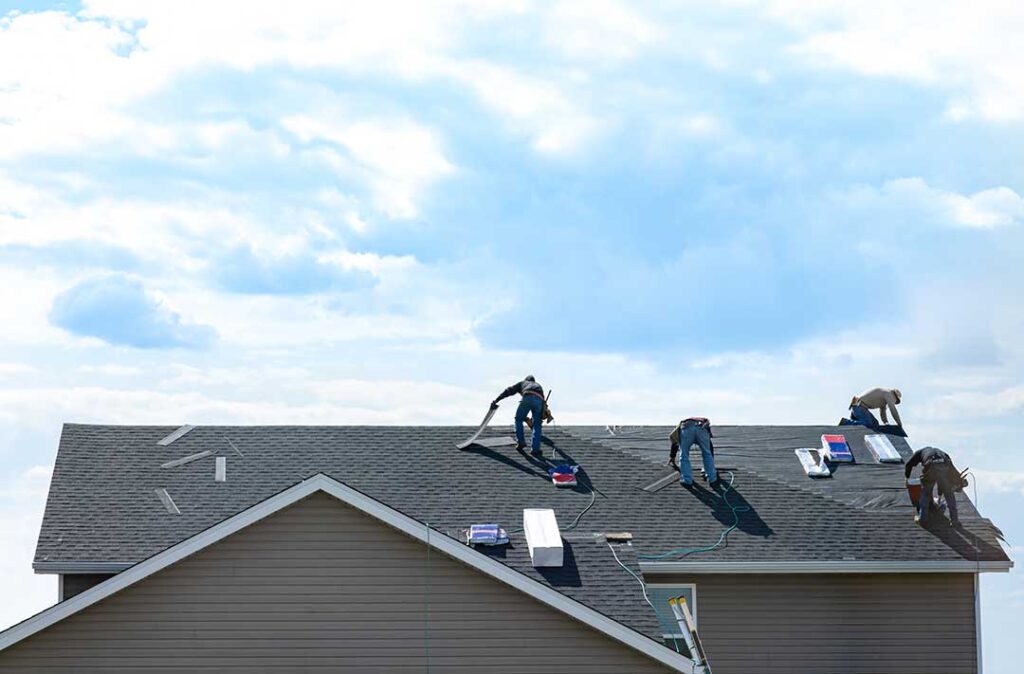
A roof inspection is a visual assessment of the roof system and the areas that affect its performance. It typically examines the roof covering, flashing, drainage, penetrations, visible structural concerns, attic conditions, and signs of water entry.
An inspection is not the same as a repair estimate or a guarantee of how many years a roof has left. Its purpose is to identify observable conditions, explain their likely significance, and help a homeowner decide what attention may be needed.
A thorough inspection may include:
- Roof shingles, metal panels, membrane materials, or other visible coverings
- Valleys, ridges, eaves, rakes, and roof edges
- Flashing around chimneys, skylights, walls, and plumbing vents
- Gutters, downspouts, and other drainage components
- Moss, algae, exposed fasteners, loose materials, or damaged areas
- Attic insulation, ventilation, staining, dampness, or daylight visible through the roof
- Interior ceilings and upper walls for signs of water intrusion
In New York, a home inspection report is expected to describe the observed roof condition, roofing material, and the method used to view the roof. A roof does not necessarily need to be walked on. Some roofs are safer and more accurately assessed from the ground, attic, ladder access, or other appropriate vantage points.
How often should a homeowner inspect a roof?
Most homeowners should visually check the roof at least twice a year: once in spring and again in fall. Additional checks are sensible after high winds, heavy snow, falling branches, or unusually strong rain.
The timing is especially useful in Ithaca because roofs experience repeated transitions between freezing and thawing conditions. Snow, ice, wind-driven rain, and debris from surrounding trees can affect shingles, flashing, gutters, and drainage paths.
A homeowner does not need to climb onto the roof for a routine check. From the ground, look for:
- Shingles that are missing, curled, cracked, blistered, or visibly displaced
- Dark patches or areas that appear to have lost surface granules
- Sagging roof lines or sections that do not appear straight
- Debris collecting in valleys or behind roof features
- Gutters pulling away from the fascia
- Downspouts that discharge too close to the foundation
- Moss or organic growth retaining moisture on shaded roof sections
- Damaged flashing around chimneys, skylights, and roof-to-wall connections
Use binoculars when helpful. A camera with a zoom lens can also document changes without putting someone on a slippery surface.
What should be checked inside the house?
Interior evidence can reveal a roof problem before the exterior makes the cause obvious. Inspect the attic, upper ceilings, and top-floor walls periodically, especially after wet or windy weather.
In the attic, look for:
- Damp or discolored wood
- Water stains on the underside of roof sheathing
- Wet insulation or compressed insulation
- Mold-like growth caused by persistent moisture
- Daylight visible through areas that should be sealed
- Rust around fasteners, vents, or metal components
- Condensation on nails or roof framing
- Blocked, damaged, or poorly functioning ventilation paths
A roof leak does not always appear directly below the damaged area. Water can travel along roof sheathing, rafters, insulation, or interior framing before becoming visible on a ceiling.
Ceiling stains also do not automatically prove that the roof covering has failed. Plumbing leaks, bathroom condensation, ice-related water backup, and poorly sealed attic penetrations can create similar marks. The location, timing, and pattern of the staining help determine the likely source.
What roof damage is urgent?
Some conditions deserve prompt attention because they can allow water into the building or signal a structural problem. Urgent warning signs include active dripping, a visibly sagging roof area, a large missing section of roof covering, exposed underlayment, damaged flashing around a chimney, or water near electrical fixtures.
After a storm, inspect the attic and upper floors as soon as conditions are safe. Do not climb onto a wet, icy, snow-covered, or visibly unstable roof. Temporary measures may reduce additional water entry, but they do not replace an assessment of the underlying damage.
A small stain may not indicate an emergency, but it should not be ignored. Repeated moisture can damage sheathing, insulation, framing, drywall, and interior finishes. Delayed attention can also make it harder to identify where the water first entered.
Does moss mean a roof needs to be replaced?
No. Moss is a moisture and surface-condition issue, not an automatic replacement diagnosis. It commonly develops on shaded roof sections where leaves, moisture, and limited sunlight allow organic growth to persist.
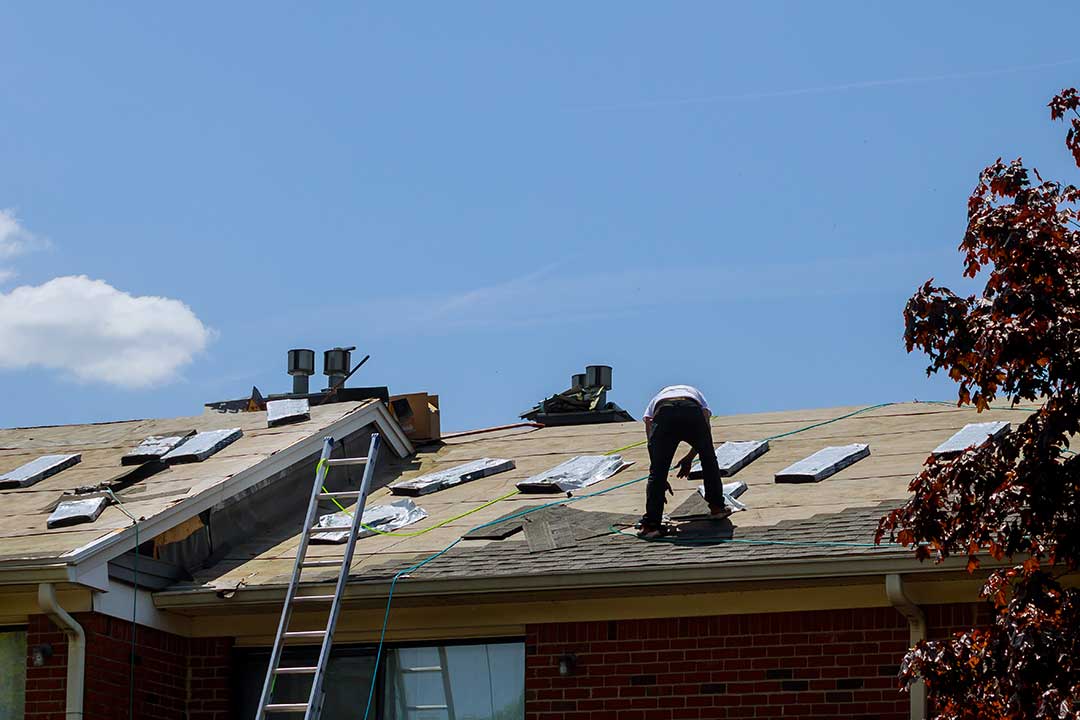
Moss can become a concern when it lifts or displaces roofing materials, holds water against the surface, blocks drainage, or hides damage. Scraping it aggressively can remove protective granules or damage shingles.
The inspection should consider the age and condition of the roof, the amount of growth, the roof slope, nearby trees, drainage, and whether moisture is reaching the roof assembly. Removing moss without correcting persistent shade, debris buildup, or drainage problems may only provide a temporary improvement.
How do gutters and flashing affect roof condition?
A roof cannot drain properly if gutters and flashing are damaged or poorly maintained. Water that backs up at the roof edge can wet fascia boards, soffits, wall surfaces, and attic materials.
Check that gutters:
- Remain securely attached
- Slope toward their outlets
- Do not contain heavy sediment or plant growth
- Do not overflow during ordinary rainfall
- Direct water away from the foundation
- Are not crushed, split, or separated at joints
Flashing deserves particular attention because it seals transitions where water is most likely to enter. Common trouble spots include roof-to-wall intersections, chimneys, skylights, plumbing vents, and valleys.
Caulk alone is not a permanent solution for every flashing problem. Sealants can deteriorate, while improperly installed or corroded flashing may require correction beneath the visible surface.
What should a homeowner ask for in an inspection report?
A useful report should distinguish between observed facts, likely concerns, and items that could not be evaluated. It should identify the areas viewed and explain whether the roof was walked on, viewed from a ladder, observed from the ground, or examined from the attic.
Look for clear descriptions of:
- The roofing material and visible condition
- Damaged or missing components
- Flashing and drainage conditions
- Interior signs of moisture
- Safety limitations or inaccessible areas
- Conditions requiring prompt attention
- Maintenance issues that can be monitored
- Recommended follow-up testing, when visual inspection cannot determine the cause
A report should not claim certainty about hidden defects or promise a precise remaining service life based only on appearance. Roofing materials can look acceptable while concealed sheathing, ventilation, or flashing problems remain unseen.
When is a roof inspection especially useful?
An inspection is particularly valuable before purchasing a home, after a significant storm, before placing a property on the market, or when recurring ceiling stains have not been explained.
It can also help document the condition of an older roof before winter. In a climate with snow, ice, wind, and freeze-thaw cycles, small weaknesses may become more apparent during the cold season. Identifying loose materials, blocked drainage, or deteriorated flashing before severe weather can reduce the chance of preventable interior damage.
Homeowners should treat inspection findings as a guide for prioritizing work, not as a reason to replace an entire roof automatically. Some conditions call for maintenance, some require localized repair, and others indicate broader deterioration. The appropriate response depends on the roof’s construction, age, exposure, history of leaks, and the extent of the observed damage.
