
Why does local weather matter so much to a roof?
Weather affects a roof gradually and suddenly. Rain can expose weak flashing, snow adds weight, wind loosens materials, and repeated freezing and thawing can open small paths for water. In Ithaca, NY, roofs must handle humid conditions, winter snowfall, spring rain, summer heat, and frequent shifts between temperatures above and below freezing.
A roof rarely fails because of one ordinary storm alone. Problems usually develop when weather stress combines with age, poor drainage, damaged materials, inadequate attic insulation, or small openings around chimneys, vents, skylights, and roof edges.
Understanding which weather conditions create risk makes it easier to recognize early warning signs before damage spreads into the attic or living space.
How do snow and ice affect a roof?
Snow creates two main concerns: added weight and melting water. A moderate snowfall may not harm a sound roof, but wet snow weighs much more than loose, powdery snow. Uneven accumulation can also place extra pressure on roof sections near valleys, dormers, lower slopes, and areas where drifting occurs.
Ice dams are another common winter problem. They form when heat escaping from the home warms portions of the roof deck, melting snow above. The water runs toward colder eaves, where it refreezes. As the ice thickens, later meltwater can back up beneath shingles or other roof coverings.
Signs of possible ice-dam trouble include:
- Thick ice along the eaves
- Icicles paired with indoor leaks
- Water staining on ceilings or upper walls
- Damp attic insulation
- Peeling paint near exterior walls
- Gutters that remain packed with ice after temperatures rise
Icicles alone do not prove that a roof is failing. However, large or recurring ice buildup deserves attention, especially when it appears along only certain roof sections. That pattern may indicate uneven attic heat, missing insulation, blocked ventilation, or a roof shape that collects snow.
Do not climb onto an icy roof or use sharp tools to break apart ice. Falling ice can injure people, and aggressive removal can damage shingles, membranes, gutters, and flashing.
What does freeze-thaw weather do to roofing materials?
Freeze-thaw cycles are especially hard on small defects. Water enters a crack, open seam, deteriorated seal, or exposed fastener. When temperatures fall, the water freezes and expands. When temperatures rise, it melts and moves farther into the assembly. Repetition can enlarge the opening.
This process may affect:
- Shingles with lifted, cracked, or missing sections
- Mortar around masonry chimneys
- Metal flashing joints
- Roof valleys
- Pipe boots and vent seals
- Wood roof edges and fascia
- Low-slope roofing seams
Freeze-thaw damage is not always visible from the ground. A ceiling stain may appear far from the actual entry point because water can travel along roof decking, rafters, insulation, or framing before reaching the interior.
A roof can also look dry during a cold spell while holding moisture underneath. Leaks may become noticeable only after a thaw, rainstorm, or period of strong sun.
How do rain and humidity contribute to roof damage?
Rain tests every drainage path on a roof. Water should move over the roof covering, into valleys or channels, and away through gutters and downspouts. If leaves, ice, moss, debris, or roof deterioration interrupt that path, water may collect or flow beneath materials.
Persistent dampness creates additional problems. Wood decking can soften, insulation can lose effectiveness, and mold or decay may develop in concealed areas. Humid air entering a cold attic can also condense on nails, roof sheathing, and other surfaces. This moisture may be mistaken for a roof leak.
After heavy rain, check the attic if it can be reached safely. Look for darkened wood, damp insulation, water marks, or daylight around roof penetrations. Inside the home, watch for new stains, bubbling paint, musty odors, or damp areas near exterior walls and ceilings.
Can wind damage a roof even without missing shingles?
Yes. Wind can lift the edges of shingles, loosen flashing, pull at vents, and force rain into vulnerable seams. A roof may appear intact from the ground while individual tabs or ridge components have lost their seal.
Wind damage is more likely around roof edges, ridges, corners, valleys, and transitions between different roof slopes. Trees near a home can increase risk by dropping branches or scraping limbs across the surface.
After a strong wind event, ground-level observations are safer than climbing onto the roof. Look for:
- Shingles in the yard or on decks
- Uneven lines along shingle courses
- Bent or displaced flashing
- Loose gutter sections
- Damaged vent caps
- Branches resting on the roof
- Exposed underlayment or roof decking
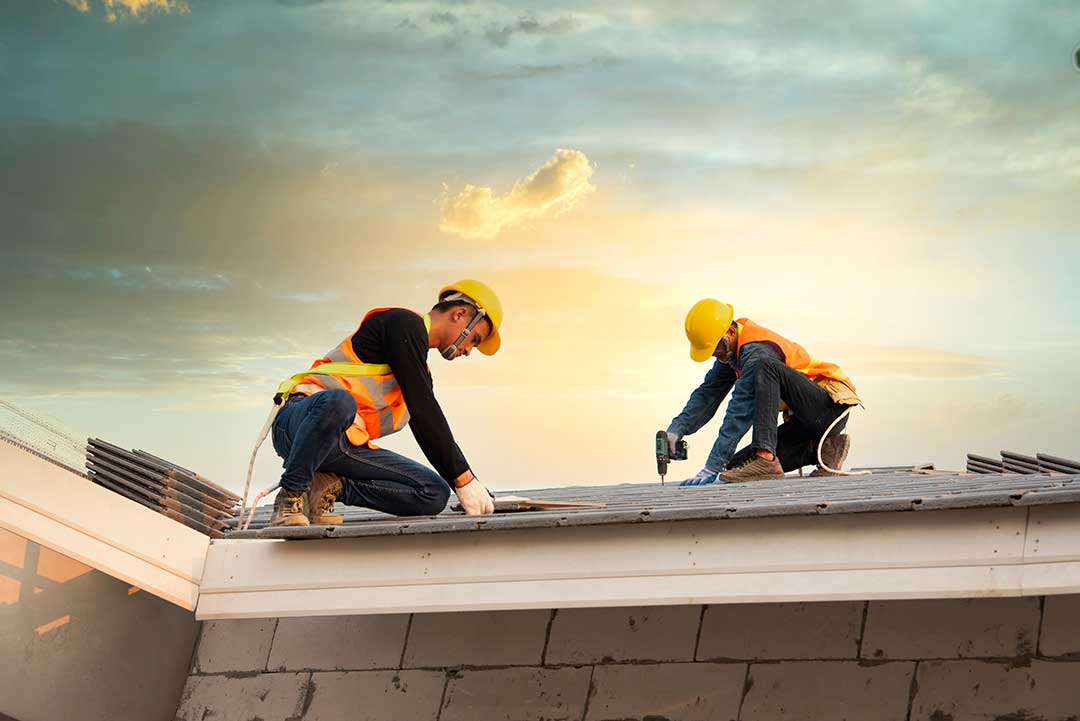
Temporary coverings may reduce further water entry, but they should be secured carefully and never installed in a way that creates a fall hazard.
How does summer heat affect roof materials?
Summer sunlight and heat can accelerate aging, particularly on roof areas with strong sun exposure. Repeated heating and cooling causes materials to expand and contract. Over time, this can affect sealants, flashing, membranes, and shingle surfaces.
High attic temperatures may also indicate insufficient insulation or ventilation. A hot attic does not automatically mean the roof is defective, but excessive heat can contribute to premature material aging and can raise indoor cooling demands.
Look for blistering, granule loss, brittle or curled shingles, cracked sealant, and exposed fasteners. Some granule loss is normal as shingles age, but large amounts in gutters or downspout outlets may signal surface deterioration.
Trees provide shade and reduce heat exposure, but branches that touch the roof can hold moisture, drop debris, and restrict drying. Vegetation should not rest against roof coverings or block drainage paths.
Which roof areas deserve the closest attention?
Certain locations experience more weather stress than broad, open roof planes:
- Eaves, where ice dams and gutter overflow develop
- Valleys, where large amounts of water and snow converge
- Chimneys, skylights, and vents, where materials meet
- Roof edges and corners, where wind pressure is strongest
- Dormers and wall intersections, where flashing must direct water
- Low-slope sections, where drainage may be slower
- Areas beneath overhanging trees
Older homes may also have roof shapes, additions, porches, or enclosed attic sections that behave differently during snow and temperature changes. A single roof can contain several microclimates depending on its slope, orientation, shade, and exposure.
What should residents check after severe weather?
A simple inspection from the ground after major rain, wind, snow, or ice can identify problems early. Use binoculars if needed, and avoid walking on wet, icy, or snow-covered surfaces.
Check the attic and upper floors for:
- New ceiling or wall stains
- Dripping or damp insulation
- Musty smells
- Daylight through the roof deck
- Condensation on nails or sheathing
- Sagging areas
Urgent conditions include active water near electrical fixtures, a visibly sagging roof or ceiling, extensive structural movement, or large amounts of snow and ice creating unusual strain. Keep people away from the affected area and avoid entering unsafe spaces.
Weather does not affect every roof in the same way. Roof slope, age, materials, attic insulation, ventilation, drainage, tree cover, and previous repairs all influence performance. In a climate with snow, rain, humidity, and repeated freeze-thaw cycles, regular observation is often the most useful form of prevention.
