
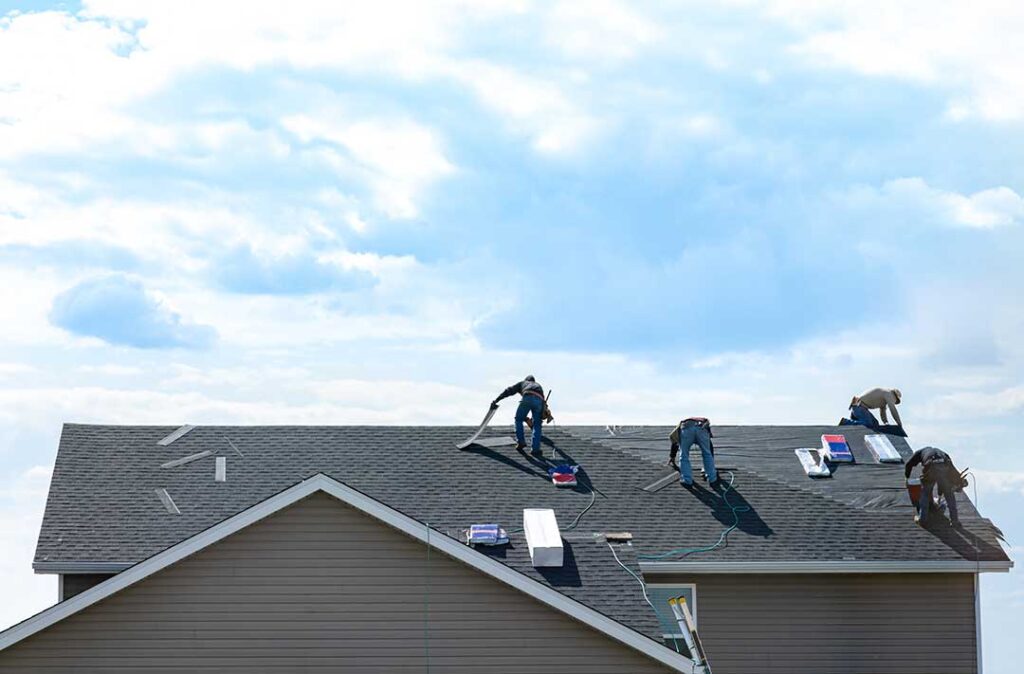
A new roof can improve a home’s marketability, reduce buyer concerns, and protect the condition of the property. It does not automatically add the full replacement cost to a home’s sale price, but it can influence value by preventing expensive objections and making the property easier to finance, insure, and maintain.
Does a new roof increase home value?
Yes, but the effect depends on the roof being replaced, the condition of the rest of the home, and the expectations of buyers in the local market.
A roof that is near the end of its service life can weigh heavily on a property’s appeal. Buyers may view it as an immediate expense, even if there is no active leak. A new roof removes that concern and gives buyers greater confidence that the home’s structure and interior will remain protected.
The financial return is rarely a simple dollar-for-dollar exchange. Roofing is a major home improvement, but market value is also shaped by location, floor plan, lot, renovations, energy performance, and recent comparable sales. A new roof may produce the greatest benefit when the old roof is visibly worn, has documented leaks, or is likely to be identified during an inspection.
Why does roof condition matter so much to buyers?
The roof is one of the home’s primary weather barriers. Problems above the living space can lead to damaged insulation, ceilings, framing, drywall, electrical components, and personal belongings. A buyer who sees roof-related problems may assume that hidden damage exists, even when the visible issue appears minor.
A roof replacement can also reduce uncertainty. Buyers commonly ask:
- How old is the roof?
- Has it leaked?
- Were repairs completed?
- Is there damage beneath the shingles?
- Will insurance cover the home?
- How soon will the roof need to be replaced?
Clear answers can make a property feel better maintained. In contrast, uncertainty may lead to a lower offer, a repair request, a delayed closing, or a buyer deciding not to proceed.
For area homes, seasonal weather adds practical significance. Ithaca experiences snow, freezing temperatures, rain, wind, and repeated freeze-thaw cycles. Those conditions can expose weaknesses around shingles, flashing, valleys, chimneys, skylights, and roof edges. A sound roof is not merely a cosmetic improvement; it is part of protecting the rest of the building.
Does a new roof recover its full cost?
Usually, homeowners should not assume that every dollar spent on a roof will be returned in the sale price. The value gained often comes from several combined benefits:
- Avoiding a price reduction for a failing roof
- Preventing buyers from requesting a replacement or repair credit
- Reducing the chance of inspection-related negotiations
- Helping the home compare favorably with similar properties
- Preserving the condition of ceilings, insulation, walls, and framing
- Making the property easier for some buyers to insure or finance
A replacement may be particularly worthwhile when the existing roof is clearly defective. If the current roof is still performing well and has several useful years remaining, replacing it only to sell may not create enough additional value to justify the expense.
The decision should be based on condition rather than age alone. Roof age is useful information, but installation quality, ventilation, drainage, weather exposure, maintenance history, and the type of roofing material all affect remaining service life.
Is repairing the roof better than replacing it before selling?
A repair is often the more practical choice when damage is limited and the roof still has substantial remaining life. Replacing a few damaged shingles, correcting flashing, sealing an exposed penetration, or improving drainage may address the actual problem without the cost and disruption of a full replacement.
Replacement may be more reasonable when there are widespread issues, repeated leaks, extensive surface deterioration, sagging areas, or signs that the roof system is failing in more than one location. Covering up isolated symptoms on an aging roof can create a misleading appearance and may not satisfy an inspection.
Before making a decision, homeowners should distinguish between:
- Cosmetic wear: discoloration, minor granule loss, or uneven appearance
- Functional damage: missing shingles, active leaks, failed flashing, or exposed underlayment
- Structural concerns: sagging, rotted decking, damaged framing, or persistent moisture
Structural or active water problems deserve prompt attention because they may affect more than the roof covering itself.
How does a new roof affect an appraisal?
An appraisal estimates market value by considering the property as a whole, including condition and comparisons with similar homes. A new roof can support a favorable valuation, especially when nearby comparable properties have similar updates and the replacement is documented.
However, an appraiser does not simply add the invoice amount to the home’s value. The improvement is evaluated in relation to the market. A high-cost roof may not produce the same return in every neighborhood or price range.
A new roof is more likely to help when it brings the home up to the expected condition for comparable properties. It may add less measurable value when the home already has serious issues with the foundation, mechanical systems, drainage, windows, or interior finishes.
Documentation can help communicate the improvement accurately. Useful records may include:
- The approximate installation date
- The roofing material and product type
- Permits or final inspection records, when applicable
- Warranties and maintenance information
- Before-and-after photographs
- Invoices describing the work completed
- Records of repairs to decking, flashing, or ventilation
These records do not guarantee a specific appraisal result, but they make the roof’s condition easier to verify.
Can a new roof lower selling costs?
It can reduce some costs associated with getting a home ready for the market, although the result varies. A roof in good condition may reduce the likelihood of last-minute repair negotiations or a large buyer credit.
It may also prevent damage that would require additional repairs before closing. For example, a small leak can eventually affect attic insulation, ceiling finishes, or wood framing. Correcting the roof before those problems spread can protect both the property and the transaction.
Homeowners should also consider whether the roof replacement will create complications of its own. Work performed shortly before a sale should be properly documented, completed according to applicable requirements, and disclosed accurately. A rushed or poorly documented project can create new questions rather than remove old ones.
What should Ithaca homeowners consider before replacing a roof for resale?
The best choice depends on timing, condition, and the likely expectations of buyers. Consider these questions:
1. Is there active leakage or visible structural damage?
2. Has the roof been repaired repeatedly?
3. Would an inspection likely identify the roof as a major concern?
4. Does the roof’s appearance make the home seem poorly maintained?
5. Are there other improvements that would address more serious value concerns?
6. Can the replacement be completed and documented before the property is marketed?
7. Are historic design requirements or neighborhood considerations relevant?
In some cases, a thorough inspection and targeted repairs are enough. In others, replacement protects the home from further damage and removes a substantial barrier to a sale.
A new roof generally adds the most value when it solves a clear problem, fits the home and surrounding properties, and is installed as part of sound overall maintenance. Its contribution is not limited to appearance. It can preserve the building, reduce uncertainty, and help buyers feel that they are purchasing a home rather than inheriting an immediate major project.
