

Roof warranties can help clarify who is responsible when a roofing material fails, but they do not cover every leak, storm, or maintenance problem. Understanding the type of warranty, its exclusions, and the homeowner’s responsibilities is essential before relying on the document.
What does a roof warranty actually cover?
A roof warranty is a written promise connected to roofing materials, installation, or both. Its coverage depends on who issued it and what caused the problem.
Most roof warranties fall into two categories:
- Manufacturer’s material warranty: Covers defects in roofing products, such as shingles or membrane materials.
- Workmanship warranty: Covers installation-related problems, such as improper fastening, inadequate flashing, or incorrect application.
These warranties are separate. A manufacturer may replace defective materials but not pay for removing and reinstalling them. A workmanship warranty may cover labor for installation errors but exclude storm damage or normal aging.
The warranty document—not a sales summary or verbal explanation—controls the actual coverage.
What is the difference between a material warranty and a workmanship warranty?
A material warranty addresses whether the roofing product was manufactured properly. If shingles blister, split, or lose protective granules because of a documented manufacturing defect, the manufacturer may provide replacement materials under the warranty terms.
A workmanship warranty addresses how the roof was installed. Problems may include:
- Missing or improperly installed flashing
- Incorrect nail placement
- Inadequate sealing around penetrations
- Poorly installed valleys
- Improper underlayment or ventilation practices
- Fasteners that do not properly secure the roofing material
A roof can have a strong material warranty and still develop leaks because of installation problems. Conversely, careful installation cannot prevent every material defect or weather-related failure. Knowing which party is responsible is often the first step in resolving a claim.
Are roof warranties the same as insurance?
No. A warranty and homeowners insurance protect against different risks.
A warranty generally addresses defective materials or covered installation errors. Homeowners insurance may address sudden damage caused by events such as wind, hail, falling objects, or certain types of fire, depending on the policy.
Neither document normally covers every possible roof problem. For example, gradual deterioration, poor maintenance, condensation, animal damage, and some ice-related conditions may be excluded from one or both forms of protection.
A roof leak should therefore be evaluated by cause, not simply by the fact that water entered the house.
How long do roof warranties last?
Warranty periods vary widely. Some material warranties are described using long time periods, but the practical value may change over time.
Important details include:
- Whether the warranty is full coverage or prorated
- When the coverage period begins
- Whether labor is included
- Whether removal and disposal are covered
- Whether replacement materials are comparable or identical
- Whether coverage declines after a certain number of years
- Whether the warranty requires registration
- Whether the warranty transfers to a future owner
A warranty advertised as lasting several decades may provide limited reimbursement after an initial coverage period. The length of the warranty should never be considered by itself; the coverage schedule and exclusions matter just as much.
What does “prorated” mean?
Prorated coverage means the manufacturer’s responsibility decreases as the roof becomes older. During the early years, the warranty may provide greater assistance. Later, the homeowner may receive only a partial credit based on the remaining value of the material.
For example, a roof product may be covered for a stated period, but the amount available for replacement may decline annually. Labor, tear-off, disposal, flashing, ventilation improvements, and related work may still be excluded.
Ask for the actual prorated schedule rather than relying on a phrase such as “limited lifetime.” In warranty language, “lifetime” often means the expected useful life of the product under defined conditions—not unlimited, unconditional coverage.
What can void a roof warranty?
A warranty may be denied if the roof was altered, neglected, or used outside the manufacturer’s requirements. Common issues include:
- Failure to follow required maintenance instructions
- Installing new materials over an unsuitable existing roof
- Unapproved repairs or modifications
- Pressure washing or damaging the roofing surface
- Installing equipment that affects the roof
- Poor attic ventilation where ventilation is required
- Failure to address visible damage
- Using incompatible materials
- Not registering the warranty when registration is required
A warranty is not necessarily void because a homeowner performs routine inspections or minor maintenance. The key question is whether the action caused or contributed to the claimed problem.
Keep records of repairs, inspections, storm damage, photographs, and invoices. Documentation can help establish when a condition began and whether required maintenance was performed.
Are leaks covered by a roof warranty?
A leak is a symptom, not a warranty category. Coverage depends on the source of the leak.
A warranty may apply if the leak resulted from a defective product or a covered installation error. It may not apply if water entered because of:
- Ice buildup at the roof edge
- Wind-driven rain through an opening
- A damaged vent or chimney flashing
- Blocked drainage
- Tree impact
- Animal activity
- Condensation in an inadequately ventilated attic
- Deteriorated sealants or exposed fasteners
- Alterations made after installation
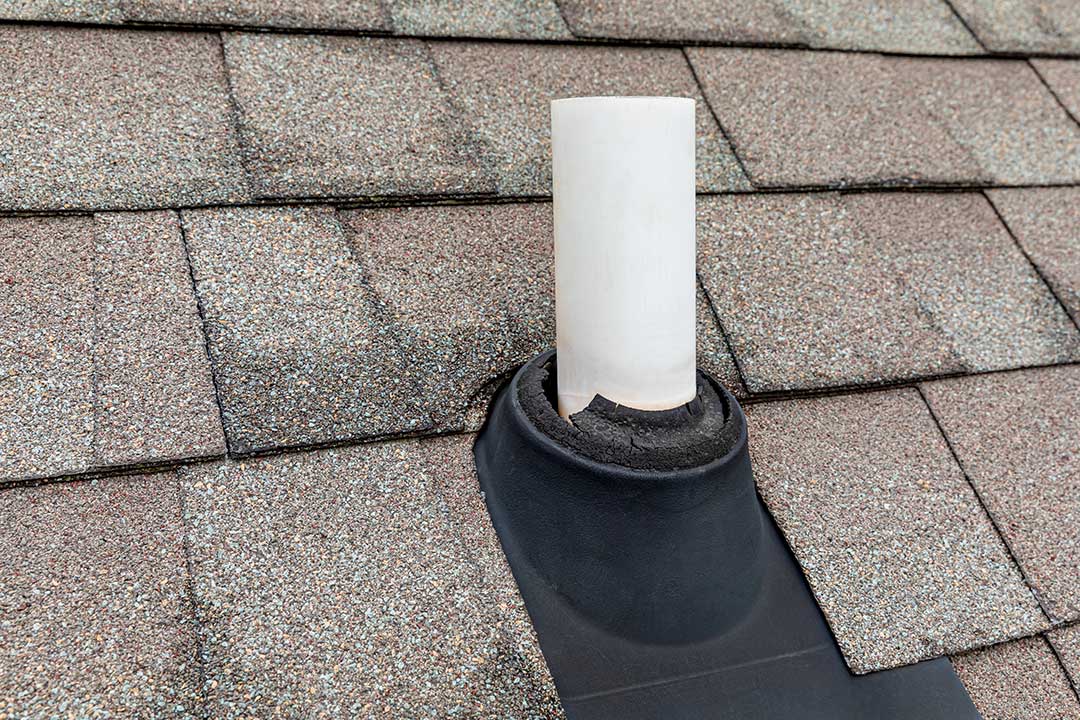
The climate in Ithaca, NY brings freeze-thaw cycles, snow, ice, wind, and heavy rainfall. These conditions can expose weak flashing, drainage, and ventilation details, but weather exposure alone does not prove a warranty defect. The cause still needs to be identified.
Does snow or ice damage fall under warranty?
Usually, not automatically. Roofing warranties commonly exclude damage caused by severe weather, impact, improper drainage, or conditions outside the product’s installation requirements.
Snow and ice can create several different problems:
- Ice dams may force water beneath roofing materials.
- Heavy snow may stress roof structures or damage gutters.
- Freeze-thaw movement may worsen existing cracks or openings.
- Wind may lift or loosen materials.
- Meltwater may enter through flashing or ventilation openings.
Some damage may be addressed through homeowners insurance, while other conditions may reflect design, maintenance, or installation issues. Clearing snow from a roof can also create hazards and damage roofing materials, so it should not be treated as a routine do-it-yourself task without understanding the risks.
Can a roof warranty transfer to a new homeowner?
Sometimes, but transfer rules are often limited. A warranty may permit one transfer during a specified period after the property changes ownership. It may require written notice, proof of the original installation, or a transfer fee.
Coverage can also change after transfer. A warranty that originally included labor may provide only material coverage for the next owner.
If a home sale is involved, locate the original warranty, installation records, product information, and evidence of any prior claims. Do not assume that the roof’s warranty automatically follows the property.
What should homeowners review before accepting a warranty?
Before treating a warranty as meaningful protection, review these points in plain language:
- Who issued it?
- What specific failures are covered?
- Is labor included?
- Are tear-off and disposal included?
- Is coverage prorated?
- What maintenance is required?
- Which weather events are excluded?
- Does ventilation affect eligibility?
- Are repairs required to use approved materials?
- Is registration necessary?
- Can the warranty transfer?
- What is the claim deadline or procedure?
- Who handles disagreements about the cause of damage?
Keep the warranty with closing documents, insurance records, and roof photographs. A clear file is particularly useful after a storm or when ownership changes.
What should happen after a suspected warranty problem?
Document the condition promptly. Take photographs from safe locations, note when the problem appeared, and protect interior belongings from active water intrusion without making permanent roof alterations.
Review the warranty’s claim procedure before authorizing extensive repairs. Emergency measures may be necessary to prevent further damage, but keep receipts and written records. If the roof presents a fall hazard, structural concern, exposed electrical equipment, or extensive water entry, safety should take priority over preserving the condition for inspection.
A roof warranty is most useful when its limits are understood in advance. It is a defined contract for specific problems—not a guarantee that the roof will remain free of leaks throughout its expected service life.
