
Roofing advice is often passed along from neighbors, online videos, and past home repairs. Some of it is useful, but many commonly repeated claims are incomplete or simply wrong. Understanding the difference can help residents make safer decisions, avoid unnecessary repairs, and recognize problems before they become more expensive.
Does a roof need to be replaced as soon as it reaches a certain age?
Not necessarily. A roof’s age is useful context, but it does not determine its condition by itself. A well-installed asphalt shingle roof may perform for many years, while poor ventilation, storm damage, algae growth, ice buildup, or installation problems can shorten its service life.
The more useful questions are:
- Are shingles cracked, curled, loose, or missing?
- Are there exposed fasteners or areas where the roof surface appears uneven?
- Has water entered the attic or upper floors?
- Is the roof material losing large amounts of protective granules?
- Are flashing, valleys, or roof edges deteriorating?
A roof that is older but still shedding water properly may not need immediate replacement. Conversely, a newer roof can require attention if it was damaged by wind, installed incorrectly, or exposed to persistent moisture.
Are roof leaks always easy to find?
No. Water rarely enters a building directly above the stain visible on a ceiling. It may travel along rafters, roof decking, insulation, or framing before appearing indoors.
A small brown mark could be related to:
- Damaged shingles
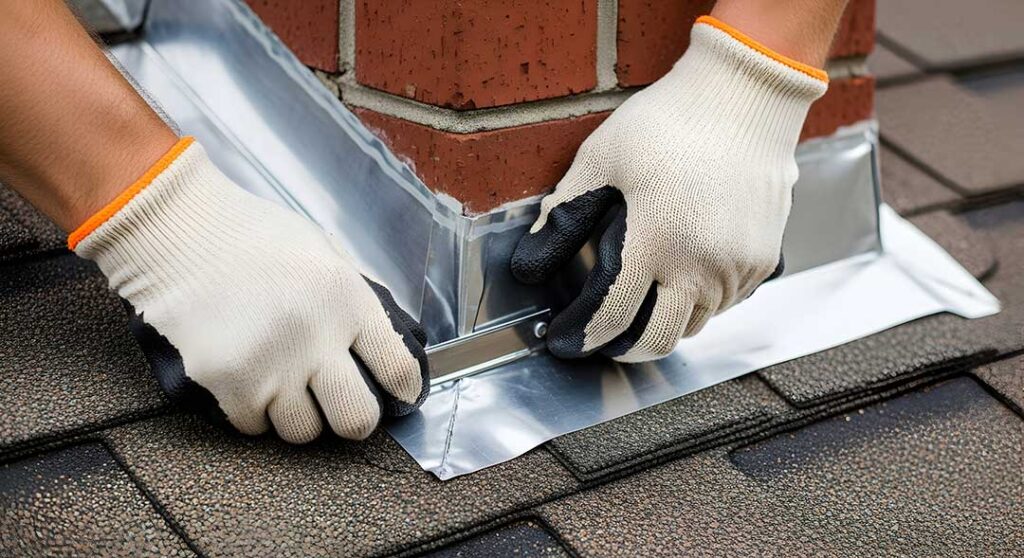
- Failed flashing around a chimney, wall, vent, or skylight
- An obstructed valley
- Ice-related water backup
- Condensation in an inadequately ventilated attic
- A plumbing or heating component above the ceiling
This is especially relevant in homes with complicated rooflines, additions, dormers, or older construction. A visible stain should not automatically be blamed on the nearest shingle. The source may be several feet away or may only appear during a specific combination of wind and rain.
Does a small roof leak need immediate attention?
A small leak still deserves prompt attention because water damage can expand even when the interior mark appears minor. Moisture may affect insulation, wood framing, drywall, wiring, and finishes. Repeated wetting can also contribute to mold growth and wood decay.
A temporary patch may reduce water entry during a storm, but it does not always correct the underlying problem. Covering a damaged area without addressing nearby flashing, fasteners, or drainage can allow the leak to return.
If water is near electrical equipment, ceilings are sagging, or the attic contains standing water, safety becomes the priority. Avoid entering areas with unstable materials or exposed wiring.
Do gutters cause most roof leaks?
Gutters can contribute to roof and wall problems, but they are not the source of every leak. Overflowing gutters may send water behind fascia boards, into soffits, or against exterior walls. However, roof leaks also result from flashing failures, damaged shingles, open seams, penetrations, and ice-related backup.
A gutter system can look clean while still draining poorly if:
- The slope is incorrect
- Downspouts are blocked below the visible opening
- Water is discharged too close to the foundation
- Gutters have pulled away from the roof edge
- Ice has formed along the eaves
- Roof valleys direct more water into one section than the gutter can handle
Gutters are part of the drainage system, not a substitute for a sound roof surface and properly installed flashing.
Does more attic ventilation always improve a roof?
More ventilation is not automatically better. Effective attic ventilation depends on balanced intake and exhaust airflow. Adding an exhaust vent without enough intake air can reduce performance and may draw conditioned air from the living space instead of moving outdoor air through the attic.
Ventilation also cannot correct every moisture problem. Warm, moist air entering the attic through gaps around light fixtures, plumbing penetrations, attic hatches, or ductwork may cause condensation even when vents are present.
A properly functioning attic generally needs:
- Adequate intake near the lower roof edges
- A suitable exhaust path near the upper roof area
- Air sealing between the living space and attic
- Insulation that is properly installed and not blocking intended airflow
In cold, snowy weather, balanced ventilation and air sealing can help reduce condensation and uneven roof temperatures, but neither can guarantee that ice dams will never form.
Are ice dams caused only by heavy snow?
No. Ice dams usually develop through a combination of snow cover, heat loss, cold outdoor temperatures, and roof geometry. Snow on a roof is not automatically a problem.
An ice dam forms when heat escaping from the building warms part of the roof, causing snow to melt. Water then moves toward colder eaves, where it refreezes. The growing ice can obstruct drainage and allow water to move beneath roofing materials.
Conditions that may increase the risk include:
- Uneven attic insulation
- Air leaks around attic openings
- Warm areas beneath the roof
- Poorly balanced ventilation
- Roof sections with limited sun exposure
- Valleys and roof transitions where snow collects
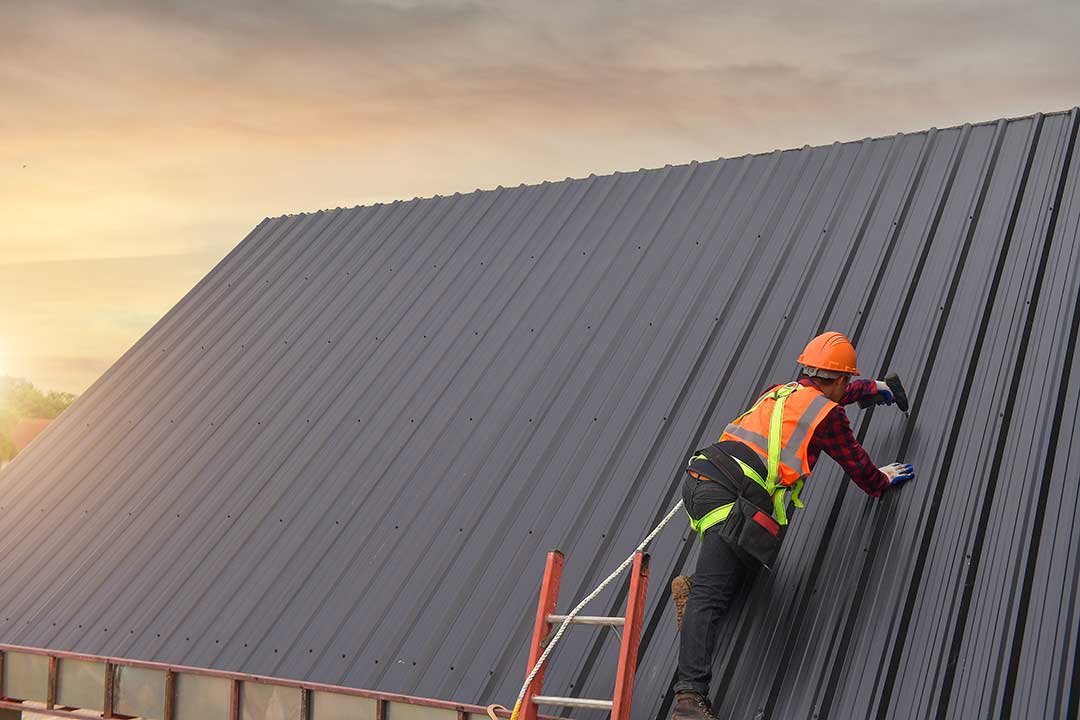
Removing snow from a roof can be hazardous and can damage shingles if done improperly. Ice should not be chopped with sharp tools. Prevention generally involves improving the building’s thermal and moisture control rather than relying only on repeated snow removal.
Can a roof be inspected from the ground?
A ground-level review can identify obvious problems, but it cannot reveal everything. Missing shingles, sagging rooflines, damaged gutters, and visible flashing issues may be noticed from below. Small cracks, lifted edges, blocked valleys, and early material failure may not be visible.
A roof inspection also involves more than looking at shingles. Relevant areas may include:
- Roof penetrations and flashing
- Chimneys and masonry joints
- Attic ventilation and insulation
- Roof decking
- Fascia and soffits
- Interior ceilings and upper walls
- Signs of past leaks or condensation
Climbing onto a wet, icy, steep, or deteriorated roof creates a fall hazard. Ground-level observation is useful, but it has limits.
Do all dark roof streaks mean the shingles are failing?
No. Dark streaks are often caused by airborne biological growth, especially on shaded or damp roof sections. The discoloration may be unattractive without indicating immediate structural failure.
However, growth can make it harder to see damaged shingles and may be associated with persistent moisture. Aggressive cleaning can remove protective granules or break shingles. Pressure washing is particularly risky because high-pressure water can damage the surface and force water beneath roofing materials.
The condition of the shingle surface, roof drainage, flashing, and underlying structure matters more than appearance alone.
Is a roof repair always better than replacement?
Neither repair nor replacement is automatically the correct answer. A localized repair may be reasonable when damage is limited and the surrounding roof remains in sound condition. Replacement may make more sense when problems are widespread, materials are near the end of their useful life, or repeated repairs are addressing the same underlying issue.
A practical evaluation considers:
- The size and location of the damaged area
- The condition of nearby materials
- Whether matching replacement materials are available
- The age and installation history of the roof
- Evidence of damage beneath the visible surface
- The likelihood of recurring leaks
The most useful roofing decisions are based on condition, cause, and expected performance—not on age, appearance, or a single rule repeated without context.
