
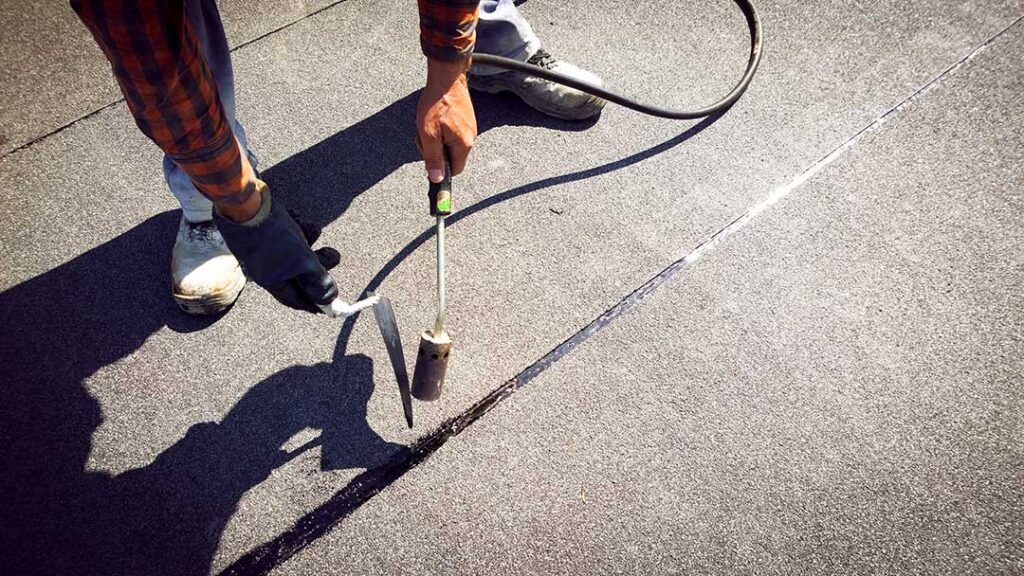
Flat and sloped roofs can both perform well, but they handle water, snow, maintenance, insulation, and usable space differently. For homeowners in Ithaca, the right choice depends less on appearance alone and more on roof design, drainage, building shape, budget, and how the structure will be used.
What is the difference between a flat roof and a sloped roof?
A flat roof is not completely level. It is built with a slight pitch so water can move toward drains, scuppers, or roof edges. A sloped roof has a more noticeable angle, allowing water and snow to shed primarily by gravity.
Flat roofs are common on additions, garages, porches, commercial-style buildings, and modern homes. Sloped roofs are more typical on traditional houses, including many older homes with asphalt shingles, metal roofing, or other pitched-roof materials.
The distinction affects nearly every part of the roofing system, including:
- How quickly rain and melting snow leave the roof
- Which roofing materials are suitable
- How easy the roof is to inspect
- Whether the roof can provide attic space
- How snow, ice, leaves, and branches accumulate
- How much the roof contributes to the building’s appearance
Is a sloped roof better for Ithaca’s climate?
A sloped roof often has a natural advantage in Ithaca because it helps shed rain and snow more readily. The area receives regular precipitation and substantial winter snowfall, with freeze-thaw cycles that can challenge roof surfaces, flashing, gutters, and drainage details.
That does not make every sloped roof trouble-free. Low-slope sections, valleys, roof-to-wall intersections, and areas beneath heavy tree cover can still collect water and debris. A steep roof may also create more difficult and hazardous access for inspection or repair.
The quality of the design matters as much as the angle. A well-designed flat roof with positive drainage can outperform a poorly detailed sloped roof that has blocked gutters, inadequate flashing, or ice dams.
What are the main advantages of a flat roof?
Flat roofs can be practical when a building’s layout or intended use favors a low-profile design.
Efficient use of building space
A flat roof can make it easier to add rooftop equipment, maintenance access, or a usable roof deck where permitted by the structure and local requirements. It may also suit additions that need to remain below existing windows or blend into a compact building design.
Simpler exterior shape
Flat roofs can reduce the visible height of an addition and may work well with contemporary architecture. They can also avoid the large overhangs or tall rooflines that are not suitable for every building.
Convenient inspection access
Compared with a steep roof, a flat roof is generally easier to view during routine inspections. Small problems around seams, drains, flashing, and penetrations may be easier to identify before they become interior leaks.
Potential limitations
Flat roofs depend heavily on reliable drainage. Ponding water, clogged drains, membrane damage, and deteriorated flashing can create recurring problems. Small installation errors may have larger consequences because water can remain on the surface instead of quickly running off.
Flat roofs also require careful attention to insulation and ventilation. The roof assembly must control moisture movement and limit condensation, particularly during cold weather.
What are the main advantages of a sloped roof?
Sloped roofs remain popular because they combine effective water shedding with familiar construction methods.
Faster drainage
A meaningful roof pitch moves rainwater and melting snow toward gutters and downspouts. This reduces the time moisture remains against the roof covering, underlayment, and flashing.
Better snow shedding
Slope can help snow slide or melt away, although snow may still accumulate behind chimneys, dormers, valleys, skylights, and other obstructions. Snow guards may be needed above entrances, walkways, or areas where falling snow could create a hazard.
More attic and insulation options
A sloped roof can create attic space for insulation, ventilation, storage, or mechanical equipment. The attic must still be designed correctly. Poor ventilation, insufficient insulation, and air leakage can contribute to condensation, ice dams, and uneven roof temperatures.
More visible architectural character
Roof pitch strongly influences the appearance of a house. Traditional rooflines may fit established residential areas, while a simpler slope may suit a new addition or an updated design.
Potential limitations
Steeper roofs are harder and more dangerous to access. Maintenance may cost more because safe work often requires specialized equipment and fall protection. Sloped roofs also include more transitions, valleys, and penetrations where flashing must be installed and maintained carefully.
Which roof lasts longer?
Neither roof type automatically lasts longer. Service life depends on the roofing material, installation quality, ventilation, drainage, exposure, maintenance, and the condition of the underlying structure.
A sloped roof with well-maintained shingles or metal panels may have a long service life, but its gutters and flashing still need attention. A flat roof membrane can also last for many years when seams, edges, drains, and penetrations remain watertight.
Roof age is only one part of the assessment. Warning signs include:
- Repeated leaks in the same area
- Soft or springy decking
- Sagging roof lines
- Cracked, loose, or missing materials
- Rusted or separated flashing
- Standing water that remains after weather has cleared
- Interior staining, peeling paint, or musty odors
- Granules or roofing fragments collecting near drainage points
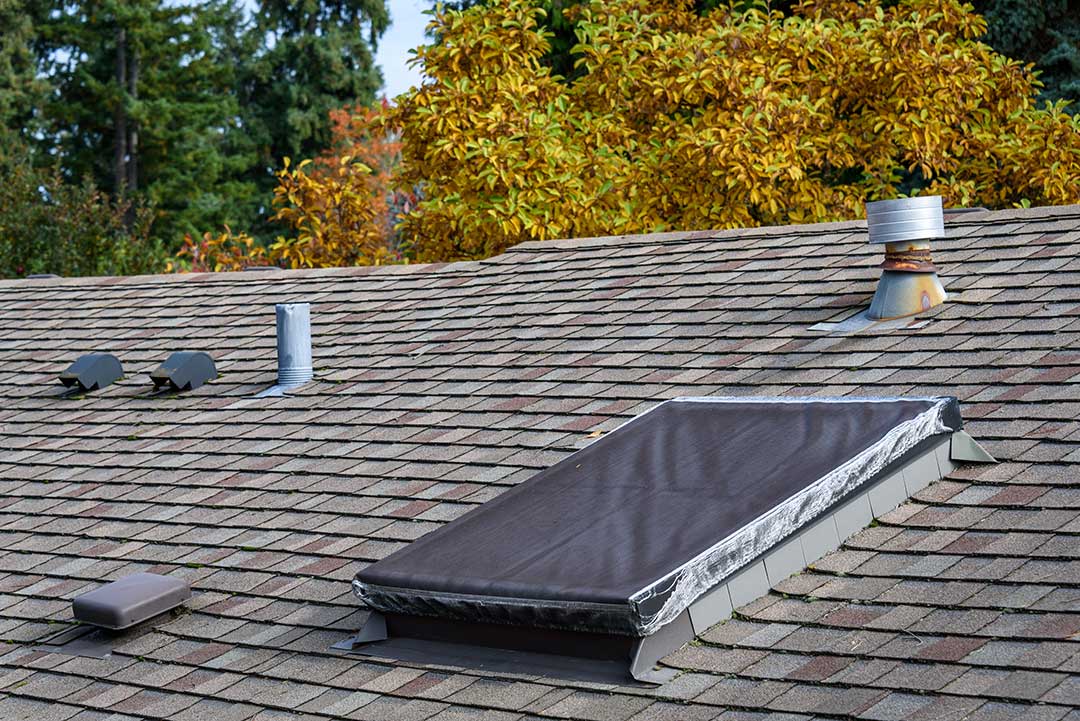
A roof that appears acceptable from the ground may still have concealed moisture or structural deterioration.
How do flat and sloped roofs handle ice dams?
Ice dams are more commonly associated with sloped roofs, especially where warm attic air melts snow on the upper roof and the water refreezes near colder eaves. They can damage shingles, underlayment, insulation, ceilings, and exterior walls.
Flat roofs do not usually form ice dams in the same way, but they can experience frozen drains, blocked scuppers, trapped water, and ice-related membrane damage. Roof edges and drainage outlets are especially important during winter.
Good attic insulation, air sealing, ventilation, proper flashing, and clear drainage paths help reduce cold-weather problems. Removing snow from a roof can be hazardous and should not be attempted casually, particularly from ladders or beneath overhanging snow.
Which option is better for an older home?
For an older home, matching the existing structure is often more practical than selecting a roof type based only on general advantages. The walls, framing, foundation, drainage layout, and previous additions may limit what can be changed without major reconstruction.
A roof replacement that changes the pitch or adds significant weight may require structural review and code compliance. New work also needs to account for current requirements involving snow loads, ventilation, insulation, fire safety, and roof coverings.
On older properties, the most useful questions include:
- Can the existing framing support the proposed roof system?
- Does the building have adequate drainage and overhangs?
- Are there signs of past water damage?
- Will the roof create snow-slide risks near doors or walkways?
- Can attic or roof insulation be improved without trapping moisture?
- Are nearby trees likely to drop leaves, branches, or heavy snow onto the roof?
How should a homeowner choose?
A sloped roof is often a practical fit for a conventional house where dependable snow and rain shedding, attic space, and familiar construction are priorities. A flat roof may be appropriate for a low-profile addition, modern structure, garage, or building where rooftop access and compact design are useful.
The decision should consider the whole building rather than the roof covering alone. Drainage, framing, insulation, ventilation, flashing, snow accumulation, and access for future maintenance all matter.
For many properties, the best solution is a combination: a sloped main roof with carefully designed low-slope sections over additions or porches. The key is ensuring that every roof area has positive drainage, durable transitions, and details suited to local winter conditions.
