
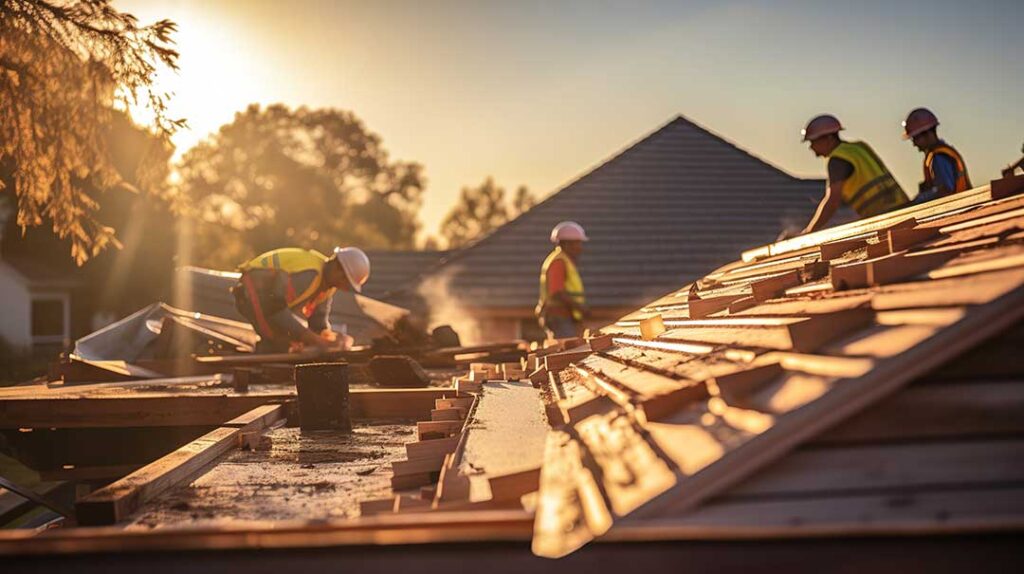
Replacing a roof can produce a surprisingly large amount of waste. Asphalt shingles, underlayment, flashing, gutters, insulation, wood, and packaging may all need different handling.
In Ithaca, NY, the most responsible approach is to separate materials before disposal, identify anything potentially hazardous, and confirm acceptance rules with the local solid waste system before transporting a load. Roofing debris generally does not belong in a household recycling bin.
Can old asphalt shingles be recycled?
Sometimes. Clean asphalt shingles may be accepted through construction and demolition waste programs, where they can potentially be processed into material for pavement or other construction uses. Acceptance depends on the facility, the condition of the shingles, and whether they are mixed with other debris.
Keep asphalt shingles separate from:
- Wood decking and framing
- Metal flashing and gutters
- Plastic packaging
- Insulation
- Household garbage
- Soil, leaves, and other yard waste
Shingles covered with excessive dirt, moss, roofing cement, or other materials may not qualify for recycling. Even when recycling is available, the load may be handled as fee-based construction debris rather than as free household recycling.
Do not place shingles in a curbside recycling cart. Their weight, size, and composition can damage sorting equipment and contaminate other recyclable materials.
Which roofing materials have the best reuse or recycling options?
Metal is often one of the easiest roofing-related materials to recover. Aluminum and steel flashing, gutters, drip edges, vents, and other clean metal components may be accepted as scrap metal if separated from wood, plastic, insulation, and roofing cement.
Slate, clay tile, and some concrete tile may be reusable when removed carefully and kept intact. Salvaged pieces can sometimes be used for repairs, garden structures, small outbuildings, or future projects. Broken tile is more difficult to reuse and may need to be handled as masonry or construction debris.
Un damaged wood decking, trim, and framing can also have reuse value. Remove nails when practical, keep the boards dry, and separate treated or painted wood from clean untreated lumber. Reuse programs may have strict rules about condition and safety, so acceptance should be confirmed before loading materials.
Rubber, plastic, and synthetic roofing membranes are more difficult to recycle through ordinary local channels. Small scraps are usually treated as construction waste unless a specialized program accepts them.
How should roofing debris be sorted at the property?
Sorting before hauling saves space and makes proper disposal easier. A basic system can include separate piles or containers for:
1. Asphalt shingles
2. Clean metal
3. Reusable slate or tile
4. Wood decking and lumber
5. Insulation
6. Plastic wrap and packaging
7. General non-recyclable debris
Use tarps or covered containers to keep materials dry and prevent lightweight scraps from blowing through the neighborhood. Ithaca’s freeze-thaw cycles, wind, rain, and snow can quickly turn a loose pile into a safety problem.
Roofing nails should be contained rather than swept into soil, gutters, or storm drains. A magnetic nail sweeper can help collect fasteners from paved areas and lawns, although the collected material should still be treated as sharp metal debris.
Heavy shingles can overload pickup beds, trailers, and small containers. Distribute the weight evenly and avoid piling material above the safe sides of a vehicle or container.
What should happen to old roofing felt, underlayment, and insulation?
Roofing felt, synthetic underlayment, ice-barrier membranes, and insulation are not normally accepted in curbside recycling. They should be separated from shingles and checked against the receiving facility’s construction debris rules.
Foam insulation, rigid board, and spray-foam residue may require special handling because they can be difficult to sort and may contain adhesives or chemical residues. Fiberglass insulation should be bagged securely to reduce airborne fibers, especially if it is brittle or damaged.
Clean cardboard from roofing deliveries can usually enter the local paper and cardboard recycling stream if it is flattened and free of excessive grease, wetness, and construction debris. Plastic film and shrink wrap should not be placed in the curbside recycling bin unless a specifically designated program accepts them.
How can homeowners recognize a possible asbestos concern?
Some older roofing products may contain asbestos, especially materials installed decades ago or products that resemble cement sheets, corrugated panels, old flashing compounds, or certain roof coatings. A material cannot be confirmed as asbestos-containing by appearance alone.
Do not saw, grind, break, sand, drill, or pressure-wash a suspicious roofing product. Avoid placing suspect debris in ordinary bags or mixing it with clean shingles. Asbestos-related work and disposal are regulated, and a certified asbestos inspector or abatement contractor may be required when the material is suspect.
The same caution applies to old roofing cement, tar-like coatings, and debris from older structures. If the age or composition is unknown, testing and regulated handling are safer than relying on visual identification.
Where can roofing debris go in the Ithaca area?
Tompkins County’s Recycling and Materials Management system provides local guidance for recycling, reuse, household hazardous waste, and disposal. The county’s Recycling and Solid Waste Center accepts certain materials for a fee and may require a valid solid waste permit, payment method, or other documentation depending on the load.
Because roofing materials are not part of the normal curbside program, residents should check the county’s current “What do I do with…?” information or speak with the recycling and materials management office before arriving. Rules may vary by material, quantity, source, and whether the person delivering the debris is a resident, business, or licensed hauler.
A mixed roofing load can be rejected or charged differently from a separated load. Asking about asphalt shingles, metal, treated wood, insulation, and suspect materials individually gives a more accurate answer than asking about “roofing waste” as one category.
Can roofing materials be donated or reused?
Reuse is most realistic for materials that are clean, dry, intact, and clearly identifiable. Examples include:
- Unbroken slate or clay tiles
- Spare matching shingles in usable condition
- Clean metal flashing
- Gutters and downspouts without severe corrosion
- Unpainted lumber and roof boards
- Unused rolls of underlayment or flashing tape
Materials with mold, heavy contamination, embedded nails, unknown chemical exposure, or structural damage are less likely to be accepted. Do not donate materials that could create a safety hazard for someone else.
Careful removal improves reuse potential. Slate and tile are especially vulnerable to cracking, while old gutters and flashing can bend easily. Keeping product labels or installation information with unused materials can also help determine whether they are suitable for future repairs.
Does roof replacement require local permits?
Roofing work may require a building permit in the City of Ithaca, particularly when the work falls under applicable building or energy code requirements. Permit rules can depend on the scope of work, structural changes, roof assemblies, and the property’s location.
Permit requirements and debris rules are separate issues. Having a permit does not automatically authorize disposal at any facility, and using a disposal facility does not replace required building or asbestos-related approvals.
Before work begins, residents should confirm both the project requirements and the disposal plan. This is especially useful for older homes, large tear-offs, structural repairs, and projects involving suspected hazardous materials.
What is the simplest responsible plan?
For a typical roof replacement, the practical sequence is:
- Separate reusable materials during removal.
- Keep metal, wood, shingles, insulation, and packaging in different piles.
- Protect debris from rain and wind.
- Remove or contain exposed nails.
- Set aside anything that may contain asbestos.
- Confirm current county acceptance rules before hauling.
- Bring required permits, payment, or solid waste documentation.
- Keep roofing debris out of curbside recycling carts and storm drains.
Proper sorting may not make every roofing material recyclable, but it reduces contamination, improves reuse opportunities, and helps ensure that hazardous or restricted materials are handled through the correct system.
