
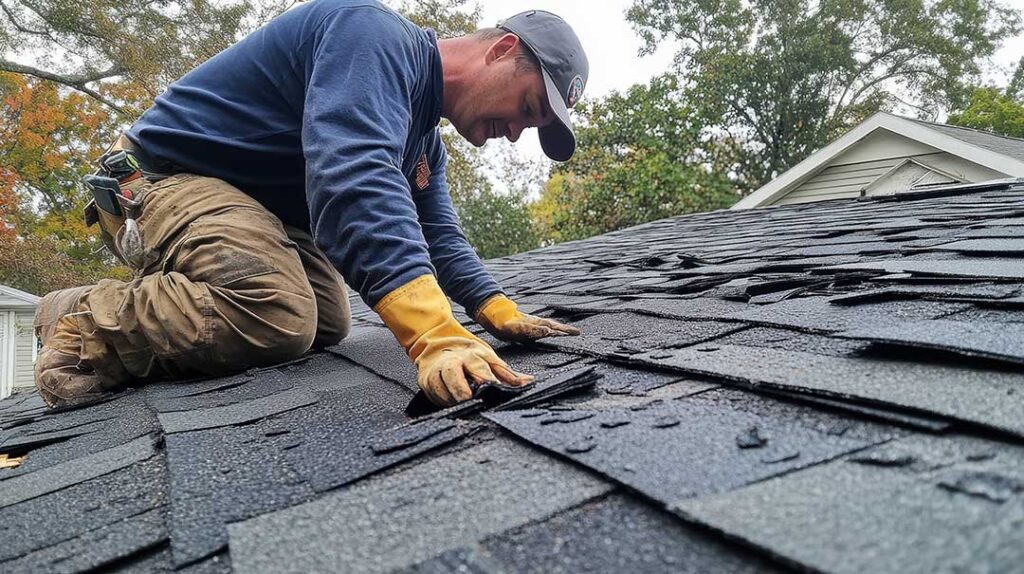
What happens during a professional roof inspection?
A professional roof inspection is a systematic review of the roof’s visible condition, drainage, flashing, attic space, and related structural areas. The goal is to identify current damage, early warning signs, maintenance needs, and conditions that could affect the roof’s remaining service life.
In Ithaca, NY, inspections often pay close attention to moisture because roofs experience repeated cycles of rain, snow, freezing temperatures, thawing, wind, and summer heat. A roof may appear sound from the ground while developing problems around penetrations, valleys, edges, or attic ventilation.
An inspection is not automatically the same as a roof replacement evaluation. Many inspections find that a roof needs localized repairs, improved drainage, or routine maintenance rather than complete replacement.
How does the inspection begin?
The process usually starts with questions about the roof’s history and any symptoms noticed inside the home. Useful information may include:
- The approximate age of the roof
- Previous repairs or storm damage
- Water stains, drafts, or unusual odors
- Ice buildup along the eaves during winter
- Missing or damaged shingles
- Recent remodeling or installation of rooftop equipment
- Whether the attic has experienced condensation or mold-like growth
The inspector may also ask whether leaks occur during heavy rain, wind-driven rain, snowmelt, or only in certain seasons. Timing can help identify the source because water does not always enter directly above the interior stain.
A visual review from the ground may come first. This provides an overview of roof slopes, rooflines, nearby trees, gutters, downspouts, chimneys, and visible areas of wear.
Does the inspector walk on the roof?
Often, but not always. A roof may be inspected from the surface when conditions are safe and the roofing material can tolerate foot traffic. Steep slopes, icy surfaces, wet shingles, fragile materials, unstable ladders, and severe deterioration can make walking unsafe or potentially damaging.
If direct access is limited, the inspection may rely on ground-level observations, ladder access at the edge, binoculars, and views from nearby portions of the property. A cautious inspection is more useful than forcing access onto a dangerous or delicate roof.
Wet, icy, or snow-covered conditions can limit what can be confirmed. In those cases, the inspection should clearly distinguish between observed conditions and areas that could not be evaluated.
What exterior areas are checked?
The roof covering is only one part of the exterior review. The inspector typically examines the following areas:
Shingles or other roof coverings
The inspection looks for cracked, curled, loose, blistered, slipped, or missing materials. Granule loss, exposed fasteners, worn areas, and irregular repairs may also be documented.
Not every dark mark or color variation indicates a leak. Roofing materials can show normal weathering, staining, or surface changes that do not immediately affect performance. The condition, location, and pattern matter.
Flashing and roof penetrations
Flashing directs water away from vulnerable joints. Common inspection points include:
- Chimneys
- Plumbing vent pipes
- Skylights
- Valleys
- Wall intersections
- Roof edges
- Dormers
- Roof-mounted equipment
Poorly sealed or displaced flashing is a frequent source of leaks because these areas interrupt the continuous surface of the roof.
Gutters, downspouts, and drainage
The inspection may identify clogged gutters, sagging sections, loose fasteners, damaged downspouts, or discharge points that place water near the foundation. Leaves and small debris are common seasonal concerns, especially near mature trees.
Drainage problems can also contribute to staining, ice formation, fascia deterioration, and water entry at roof edges. A roof that sheds water correctly still depends on functioning gutters and appropriate runoff paths.
Roof edges and penetrations
Edges, eaves, rakes, and transitions receive close attention because wind and water can exploit small gaps in these locations. Exposed underlayment, deteriorated edge metal, lifted materials, and damaged vent components may indicate a need for repair.
Why is the attic inspected?
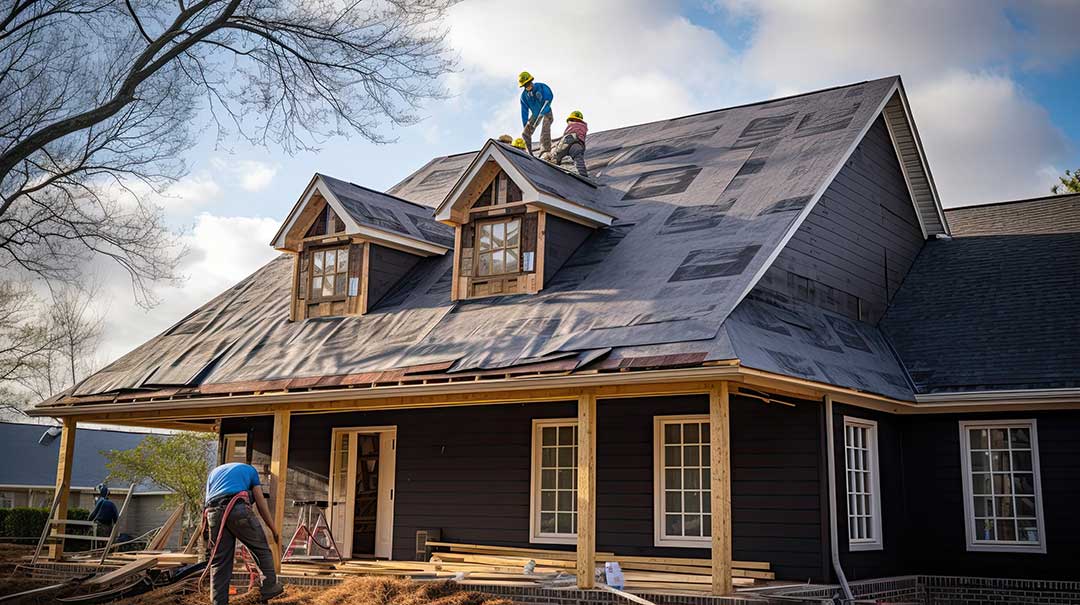
The attic can reveal problems that are not visible from above. An inspector may look for water marks, damp insulation, daylight through the roof deck, rusted fasteners, deteriorated wood, compressed insulation, and signs of poor ventilation.
Condensation is a particular concern during cold weather. Warm, moist household air can enter an attic through gaps around light fixtures, plumbing penetrations, attic hatches, and ductwork. If that moisture reaches cold roof components, it may condense and resemble a roof leak.
The inspection may also consider whether soffit, ridge, gable, or other ventilation components are blocked or insufficient. Ventilation does not correct every moisture problem, but it can affect roof temperature, condensation, and the durability of roofing materials.
How are leaks traced?
Finding the source of a leak requires more than locating an interior stain. Water can travel along rafters, roof decking, insulation, or framing before appearing on a ceiling or wall.
A careful inspection compares the interior symptom with exterior features above and uphill from it. The inspector may check flashing, valleys, penetrations, roof transitions, and areas where materials meet. If the source cannot be confirmed during a visual inspection, the report should say so rather than present a guess as a certainty.
A leak may be intermittent. Wind direction, snow accumulation, ice dams, heavy rainfall, and temperature changes can determine whether water enters the building. This is why a dry inspection does not always rule out a water-entry problem.
What local conditions can affect the findings?
Roofs in the area must handle varied seasonal stresses. Heavy snow can add weight and make inspection access difficult. Freeze-thaw cycles can widen small cracks, loosen materials, and open gaps around flashing. Wind can lift shingles or expose vulnerable edges, while summer heat and sunlight gradually age roof surfaces.
Trees can create several kinds of roof-related wear. Branches may scrape roofing, leaves can collect in valleys and gutters, and shaded areas may dry slowly after rain. Moss or algae may appear on damp, shaded sections. These growths do not all mean the roof is failing, but they can make it harder to see the surface and may retain moisture.
Older homes may also have multiple roof layers, additions, dormers, enclosed porches, or roof transitions built at different times. These changes can create complicated drainage patterns and make leak diagnosis less straightforward.
What should be included in the inspection report?
A useful report identifies observations clearly and separates urgent concerns from routine maintenance. It may include:
- The roof areas inspected and any areas not accessible
- Photographs of notable conditions
- The apparent condition of roofing materials
- Findings related to flashing, drainage, and ventilation
- Interior or attic observations
- Recommended monitoring, maintenance, or repair priorities
- Conditions that may require further evaluation
Reports often use terms such as “serviceable,” “weathered,” “damaged,” or “at the end of expected service life.” These phrases should be read in context. A roof can be older but currently watertight, while a newer roof can have a localized installation defect.
An inspection also cannot guarantee that a roof will not leak in the future. It records conditions visible on the inspection date and may not detect concealed damage without additional testing or limited opening of materials.
When should a roof be inspected?
An inspection is sensible after a significant storm, when a leak appears, before buying or selling a home, after nearby tree damage, or when the roof shows visible aging. Seasonal inspections can also help identify maintenance issues before winter weather or after snow and ice have passed.
Interior warning signs deserve attention even when the roof looks normal from outside. These include new ceiling stains, peeling paint, damp insulation, musty odors, recurring attic condensation, and unexplained drafts near the roofline.
A professional inspection is most useful when it produces specific, understandable information: what was observed, where it was found, how serious it appears, and what limitations affected the evaluation.
