
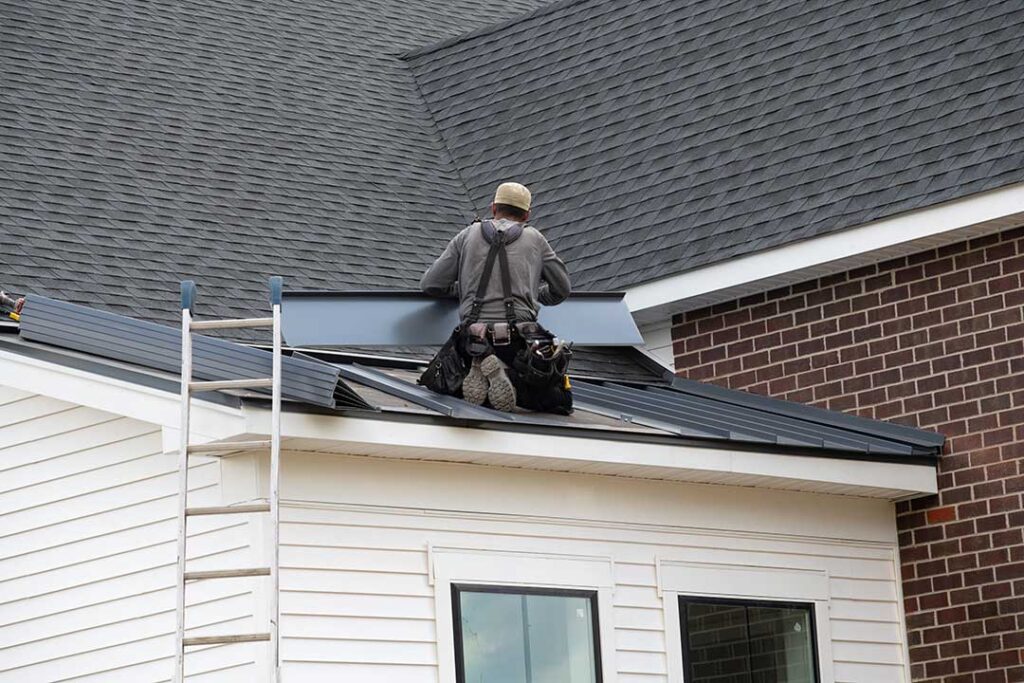
A roof replacement can reduce energy bills when the existing roof has poor insulation, inadequate ventilation, air leaks, or moisture damage. The savings usually come from improving the entire roof system—not simply installing new shingles.
For households in Ithaca, seasonal heating demand makes roof performance especially relevant. Cold winters, snow, freeze-thaw cycles, summer humidity, and occasional high winds can all affect how well an attic and roof protect the living space below.
Can replacing a roof really lower energy bills?
Yes, but the amount depends on the roof’s condition and the rest of the home’s energy system. A new roof may help control indoor temperatures by reducing heat loss during winter and limiting heat gain during warmer weather.
Shingles themselves are only one part of the system. Energy performance also depends on:
- Attic insulation
- Air sealing around ceiling penetrations
- Roof ventilation
- The condition of the roof deck
- Flashing around chimneys, skylights, and vents
- Moisture control
- The color and solar reflectance of the roofing material
If a roof is replaced without addressing insulation or air leakage, the change in energy use may be modest.
How does an old roof increase heating costs?
Heat naturally moves from warmer areas toward colder ones. During winter, heated indoor air rises toward the attic. If the ceiling below the attic has thin insulation or gaps around light fixtures, plumbing, wiring, and attic access panels, heat can escape through the upper part of the home.
Roof leaks can make the problem worse. Wet insulation performs poorly because water reduces its ability to resist heat flow. Moisture can also damage the roof deck and create conditions that lead to mold or wood decay.
An aging roof may also have compressed insulation, blocked ventilation paths, or areas where previous repairs created gaps. These problems are not always visible from inside the home, but they can contribute to uneven room temperatures and longer furnace run times.
Does a new roof improve attic insulation?
A roof replacement does not automatically add insulation. However, the work may provide an opportunity to inspect the attic and correct insulation problems that would otherwise remain hidden.
In many homes, the most useful improvements are made at the attic floor rather than directly under the roof deck. Insulating the attic floor helps keep heated or cooled air inside the living space. Air sealing should generally be addressed before additional insulation is installed, because insulation alone does not stop warm air from moving through gaps.
Common areas that deserve attention include:
- Attic hatches and pull-down stairs
- Recessed lighting fixtures
- Plumbing and electrical penetrations
- Ductwork passing through the attic
- Gaps around chimneys and flues
- Wall-top plates at the edges of the attic
Any work near chimneys, flues, wiring, or other heat-producing equipment requires careful attention to safety clearances.
Why is roof ventilation connected to energy efficiency?
Proper ventilation helps manage heat and moisture in the attic. Intake vents allow outdoor air to enter near the lower roof edges, while exhaust vents allow warmer, moist air to leave near the roof peak or upper areas.
During summer, ventilation can reduce excessive attic heat. During winter, it can help control condensation caused by warm indoor air reaching cold roof surfaces. Ventilation does not replace insulation or air sealing, but it supports the performance and durability of those measures.
Poor ventilation can contribute to:
- Ice dams along roof edges
- Condensation on roof sheathing
- Damp insulation
- Premature roof deterioration
- Higher attic temperatures
- Uneven indoor comfort
In snowy parts of the region, ice dams deserve special attention. They often result from heat escaping into the attic, melting snow on the warmer portion of the roof, and allowing water to refreeze near colder eaves. Ventilation may help, but air sealing and adequate insulation are usually central to addressing the underlying heat loss.
Can roofing materials affect summer cooling costs?
Roofing materials can influence how much solar heat reaches the attic, especially on homes with limited insulation or finished upper floors. Dark surfaces generally absorb more solar heat than lighter, more reflective materials.
The effect on a particular home depends on roof design, shade, attic insulation, ventilation, and the amount of conditioned space directly below the roof. A reflective roof may provide more benefit in a low-slope or lightly insulated roof assembly than in a well-insulated attic with substantial shade.
Material selection should also account for snow, ice, wind, maintenance, and the building’s appearance. A roofing choice that performs well in hot climates may not offer the same practical advantages in a cold, snowy climate.
What signs suggest the roof is affecting energy use?
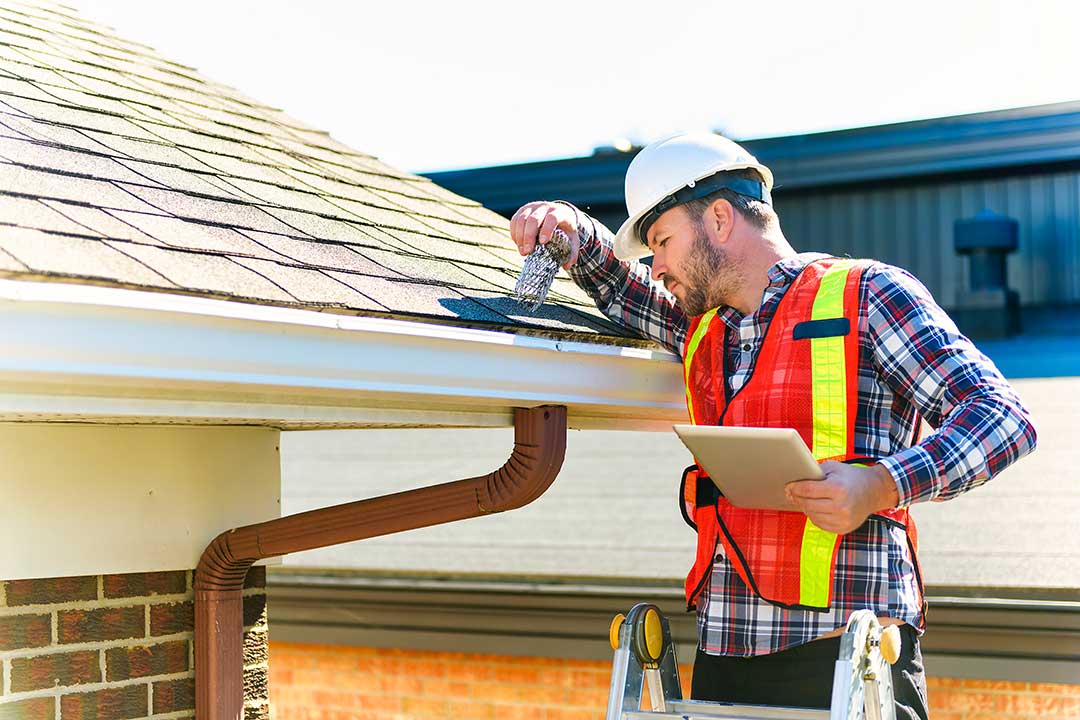
Energy waste does not prove that the roof is the cause, but several patterns can justify a closer look:
- Rooms directly below the roof are noticeably colder in winter
- Upper floors become unusually hot in summer
- Snow melts in patches while surrounding roofs remain covered
- Ice dams form repeatedly along the eaves
- The attic feels damp or has a musty odor
- Insulation appears wet, flattened, or uneven
- Heating or cooling equipment runs for long periods
- Utility bills rise without a clear change in household habits
Other causes are also possible, including aging heating equipment, leaky ducts, inadequate wall insulation, drafty windows, or thermostat problems. A roof replacement should not be treated as a substitute for a full evaluation of the building envelope.
Is replacing the roof worth it for energy savings alone?
Usually, energy savings should be considered one part of the decision rather than the only reason to replace a roof. A roof that is leaking, structurally deteriorated, or near the end of its service life may justify replacement for durability and moisture protection. Energy improvements can add value when they are incorporated into the same project.
If the roof is still sound, attic air sealing and insulation may provide greater energy benefits at lower cost than replacing the roofing material. A roof replacement is more likely to improve efficiency when it includes correction of wet insulation, repair of air leaks, restoration of ventilation, and attention to vulnerable roof-to-wall and roof-edge areas.
What should be checked during a roof replacement?
A useful roof evaluation looks beyond the visible shingles. Areas worth reviewing include:
- Roof decking for rot or moisture damage
- Existing insulation levels and condition
- Attic ventilation paths
- Eave and ridge details
- Flashing around penetrations
- Signs of condensation or ice dams
- Air leakage between the home and attic
- Drainage, gutters, and downspouts
- Areas where snow or water collects
Homes with older construction may have several layers of past repairs or alterations. Additions, enclosed porches, dormers, and finished attic spaces can also create complicated air and insulation boundaries.
How much can homeowners expect to save?
There is no reliable single savings figure for every home. Results depend on the amount of existing heat loss, the condition of insulation, household energy use, fuel prices, weather, roof design, and the quality of the improvements.
The clearest benefits may appear as improved comfort, fewer drafts, reduced condensation, and more stable temperatures rather than a dramatic change in one monthly bill. Comparing weather-adjusted energy use before and after the work can provide a more useful measure than comparing two individual billing periods.
For local residents, the strongest energy case for roof replacement is usually a complete roof-and-attic improvement: a weather-tight outer layer, dry and properly insulated attic spaces, controlled air leakage, and ventilation suited to the building. That combination helps the roof protect the home while reducing the amount of energy needed to maintain comfortable indoor conditions.
