
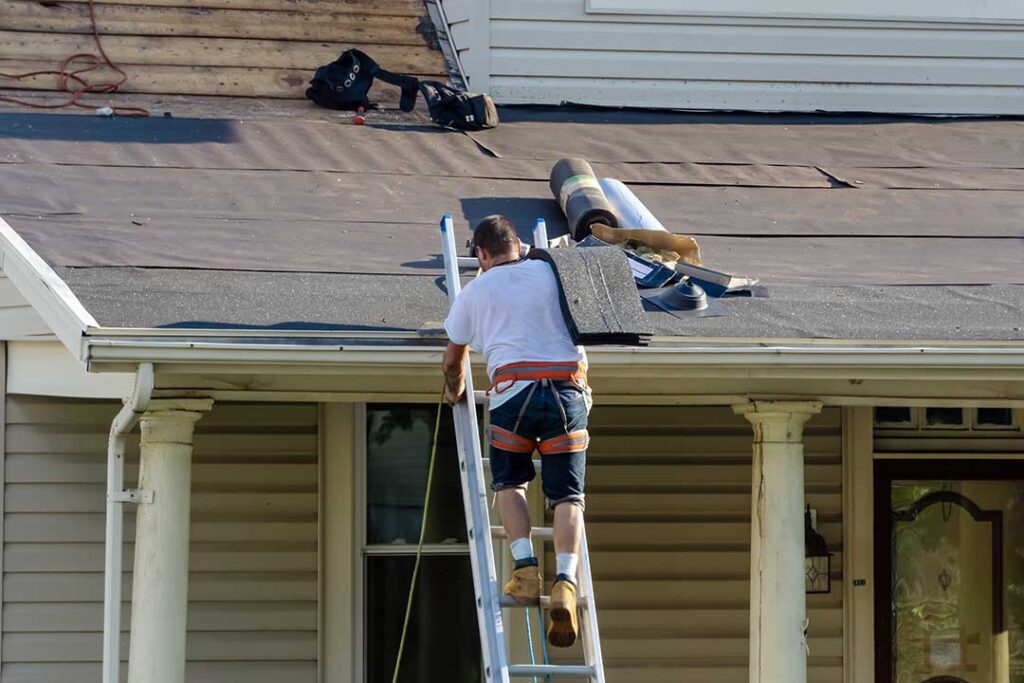
A roof tear-off is the removal of existing roofing materials down to the roof deck before a new roof system is installed. For homeowners, the process can look sudden and noisy from the ground, but much of the work involves careful inspection, weather protection, debris control, and preparation of the underlying structure.
What exactly is removed during a roof tear-off?
A complete tear-off usually removes the visible shingles or other roof covering, underlayment, flashing that is being replaced, and roofing fasteners. The work generally continues until the roof deck—the plywood, oriented strand board, or boards beneath the roofing—is exposed.
That differs from a roof overlay, in which new shingles are installed over an existing layer. A tear-off provides a clearer view of the roof’s condition and makes it easier to correct hidden problems before they are covered.
The exact materials removed depend on the roof’s age and construction. Older homes may have several roofing layers, wood shingles beneath asphalt shingles, or multiple generations of flashing and underlayment.
Why remove the old roofing instead of covering it?
A tear-off makes it possible to inspect the roof deck and surrounding details directly. It can reveal:
- Soft or deteriorated decking
- Water staining or long-term leakage
- Damaged roof edges
- Improperly installed flashing
- Problems around chimneys, skylights, and vent pipes
- Excessive numbers of old roofing layers
- Areas where previous repairs were made over weakened materials
Covering an existing roof can hide these conditions. It may also leave an uneven surface that telegraphs through the new shingles. In some situations, an overlay may be allowed or practical, but it is not the same as replacing the roof system from the deck upward.
New York’s residential building requirements generally treat roof replacement as removal of existing roof coverings, repair of damaged substrate, and installation of new covering. Specific requirements can vary with the building type, roof design, and scope of work.
What happens on the day of the tear-off?
The work usually begins with preparation around the house. Workers may place protective coverings over landscaping, siding, windows, decks, and nearby surfaces. Driveways and walkways may be used for access, material staging, or debris containers.
The existing roofing is then removed in sections. Tear-off tools loosen shingles and fasteners, and the debris is moved from the roof to the ground. This creates substantial noise, vibration, and falling material, even when the work is proceeding normally.
Once a section is exposed, the roof deck is inspected. Damaged areas are marked and removed, then replaced with matching structural sheathing or boards. The goal is to create a sound, reasonably even surface for the underlayment and new roof covering.
A roof should not be left exposed longer than necessary. If weather interrupts the work, temporary coverings may be used to protect the deck and interior from rain or melting snow.
How long does a tear-off take?
Many straightforward asphalt-shingle tear-offs and replacements can be completed in one working day, while larger, steeper, more complex, or multi-layer roofs may take longer. A small house with easy access is very different from a tall home with several roof sections, dormers, valleys, or difficult material handling.
The schedule can also change because of:
- Rain, snow, strong wind, or freezing conditions
- Hidden deck damage
- Multiple layers of old roofing
- Chimney or skylight repairs
- Limited access for debris removal
- Steep slopes requiring additional safety measures
- Special disposal requirements for older materials
In Ithaca, changing conditions are a practical consideration. Snowfall, freezing temperatures, spring rain, and repeated freeze-thaw cycles can affect when roofing materials can be safely handled and how quickly exposed surfaces must be protected.
What hidden problems are most likely to appear?
The most common surprise is damaged roof decking. Moisture may enter around valleys, roof edges, plumbing penetrations, chimneys, or areas where flashing has failed. The damage may not be visible from inside the attic or may appear smaller from below than it is once the roof covering is removed.
Other findings can include:
- Rusted or missing flashing
- Improperly placed nails
- Sagging sections
- Inadequate ventilation openings
- Evidence of ice dam-related leakage
- Old repairs that were not fully sealed
- Rot near eaves or roof-wall intersections
Not every dark stain means the deck must be replaced. The condition, thickness, strength, and ability of the material to hold fasteners are more relevant than appearance alone.
What should homeowners expect inside the house?
Some vibration and minor dust are normal, especially beneath roof areas where old fasteners are being removed. Items stored in an attic may shift, and loose ceiling fixtures can rattle.
Before work begins, it is sensible to:
- Remove fragile items from attic shelves
- Cover belongings stored beneath the roof
- Secure pictures, hanging objects, and delicate decorations
- Keep children and pets away from work areas
- Close windows near active tear-off zones
- Identify vehicles or outdoor items that need protection
A tear-off should not normally cause interior damage, but previously hidden weaknesses can become apparent during the work. Ceiling stains, loose plaster, or small pieces of debris may indicate older moisture damage rather than a new leak.
What happens after the old roof is removed?
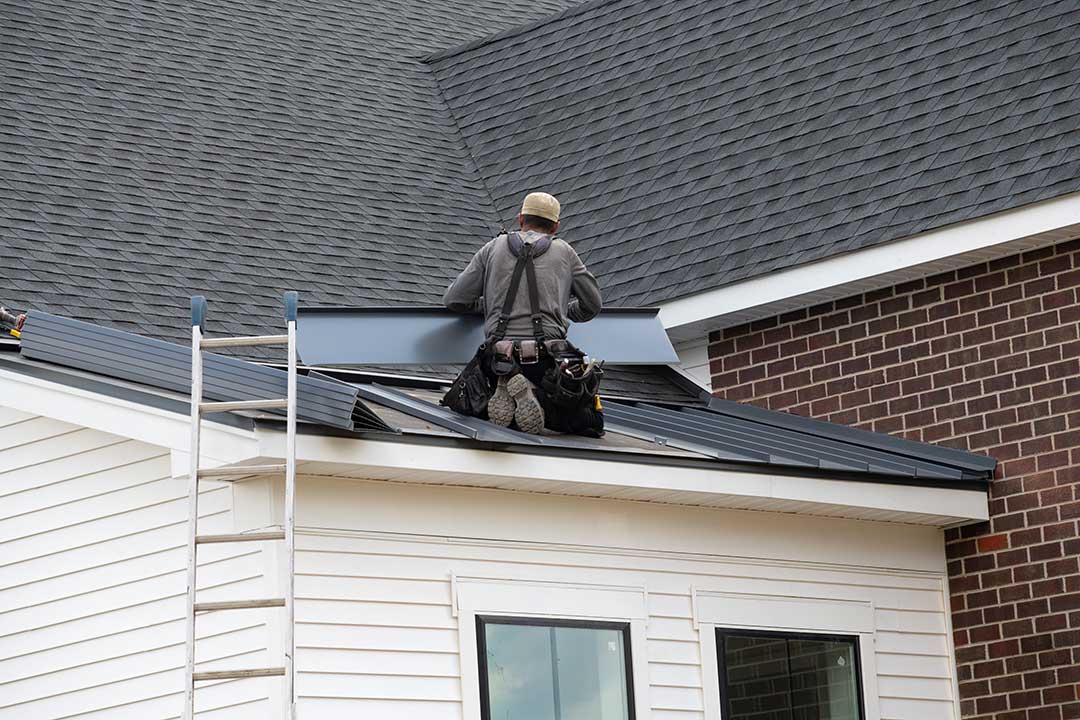
After the deck is inspected and repaired, the roof assembly is rebuilt. The sequence commonly includes underlayment, edge protection, flashing, ventilation components, and the new roof covering.
Details matter at roof edges and penetrations. Valleys, eaves, rakes, chimneys, skylights, and plumbing vents are common locations for water entry. In a cold-weather climate, underlayment and edge treatments also help address the added stress caused by snow, ice, and repeated melting and refreezing.
Ventilation deserves separate attention. Removing the old roof creates an opportunity to identify blocked soffit paths, missing ridge ventilation, or other airflow problems. Ventilation does not eliminate every winter roofing issue, but balanced intake and exhaust can help manage heat and moisture in the attic.
How is the debris handled?
Tear-off debris may include shingles, nails, underlayment, wood, flashing, and occasionally older materials that require special handling. A magnet sweep is commonly used around the work area, but homeowners should still inspect driveways, lawns, and walkways after the crew leaves.
Debris can travel farther than expected when shingles slide or are thrown from the roof. Temporary coverings help protect property, but moving outdoor furniture, toys, garden tools, and fragile decorations away from the house reduces the chance of damage.
Older homes require added caution. Roofing materials and adjacent building components may contain substances subject to special disposal or worker-protection rules. The age and history of the structure can affect how materials are evaluated before removal.
What questions should be answered before work starts?
A clear roof replacement plan should explain:
- How many existing roofing layers will be removed
- How damaged decking will be identified
- How replacement sheathing will be handled
- Which flashing will be replaced or retained
- How the roof will be protected if weather interrupts the work
- How nails and debris will be collected
- Whether attic ventilation will be inspected
- What permits or inspections may apply
- How unexpected conditions will be documented
The most useful information is specific rather than reassuring. A homeowner should understand what is included in the tear-off, what conditions could change the scope, and how the exposed roof will be kept weather-tight during the project.
IMAGE_ALT:
Roofing workers remove old shingles from a residential roof while protective tarps cover the landscaping below.
