

Renovations can expose parts of a roof that normally remain protected from rain, snow, wind, and falling debris. A careful plan helps prevent leaks, damaged insulation, stained ceilings, and avoidable repairs while work is underway.
Why do renovations put a roof at risk?
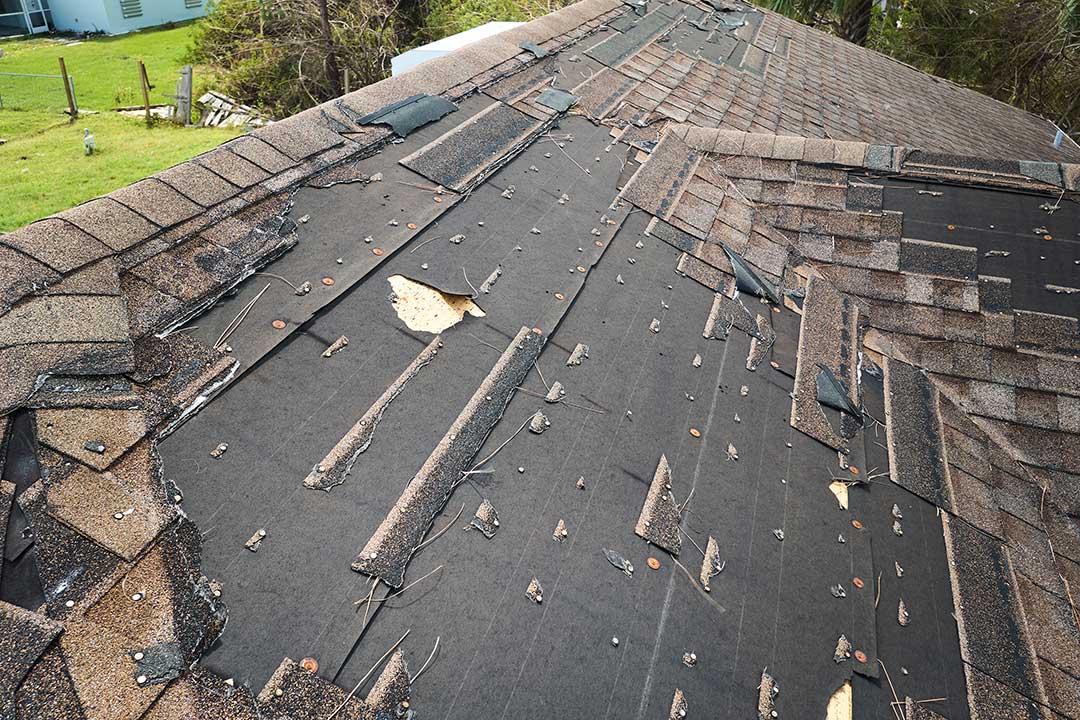
Roof damage during remodeling usually comes from temporary exposure rather than the finished project itself. Removing siding, dormers, skylights, chimneys, solar equipment, roof sections, or upper-level walls can interrupt the roof’s normal drainage and weather barrier.
Even a small opening can allow water to travel through insulation, framing, and ceiling materials before a stain appears indoors. Fasteners, tools, lumber, scaffolding, and foot traffic can also damage shingles or puncture membranes.
In Ithaca, freeze-thaw cycles add another concern. Water that enters a small crack or unsealed penetration can freeze, expand, and worsen the opening. Snow, wind-driven rain, and changing temperatures make it risky to leave unfinished areas exposed overnight.
Should roofing work be scheduled around the weather?
Yes. The safest schedule is based on a dependable period of dry weather, not simply a convenient start date.
Before work begins, check for:
- Rain or wet snow in the forecast
- Strong winds that could lift tarps or unsecured materials
- Freezing temperatures that affect sealants and adhesives
- Overnight conditions that could create ice on roof surfaces
- Rapid temperature changes that may cause condensation
Summer is not automatically risk-free. Afternoon storms can arrive quickly, and intense sunlight can make temporary coverings brittle or extremely hot. Fall work may be affected by wet leaves, shorter daylight, and early freezes. Winter roof work creates additional slip, cold-weather, and snow-load hazards.
A renovation plan should identify what happens if weather changes unexpectedly. Materials for temporary protection should be ready before the roof is opened.
What temporary roof protection works best?
Temporary protection should shed water, resist wind, and allow trapped moisture to escape where appropriate. A covering is not effective simply because it looks waterproof.
For a limited opening, suitable protection may include a properly secured reinforced tarp, temporary roofing underlayment, or a temporary roof structure designed for the work area. Coverings should extend beyond the exposed section and direct water toward a safe drainage path rather than toward a wall, chimney, dormer, or foundation opening.
Important practices include:
- Secure edges and high points without creating new holes in the roof.
- Avoid placing loose lumber, bricks, or other heavy objects on shingles.
- Keep water from collecting in sagging sections of a tarp.
- Inspect coverings after strong wind, rain, or snow.
- Remove standing water promptly when it is safe to do so.
- Maintain ventilation where the temporary assembly requires it.
Plastic sheeting alone is often a poor long-term solution. It can tear, flap against finished surfaces, trap condensation, and allow water to enter around its edges. Temporary protection should be treated as a short-term weather barrier, not a substitute for completing the roof assembly.
How can the existing roof be protected from construction traffic?
Roof surfaces can be damaged by more than hammers and saws. Repeated foot traffic can loosen granules, crack aging shingles, bend metal panels, or damage flashing. Sharp debris may puncture roofing materials, while dropped tools can create hidden damage.
Limit access to the roof whenever possible. Use designated walk paths and keep staging areas off the roof unless the surface and structure are designed to support them. When access is necessary, protective boards or approved walk pads can distribute weight, but they must be installed so they do not trap water or slide.
Never drag ladders, scaffolding, conduit, or lumber across a roof. Ladder feet and scaffold components should be supported in a way that does not crush roof coverings or block drainage. Extra care is needed on older roofs, steep slopes, brittle shingles, slate, and low-slope membrane systems.
After each workday, remove loose nails, metal scraps, sawdust, and broken material. A single nail left near a roof drain, gutter, or walkway can cause property damage or an injury.
What should happen around chimneys, skylights, vents, and walls?
Roof penetrations and intersections deserve special attention because they are common leak locations. Renovations often disturb flashing even when the main roof covering is not removed.
Chimneys, plumbing vents, attic vents, skylights, dormers, and wall-to-roof junctions should remain properly flashed while nearby work continues. Do not cover a flashing joint in a way that prevents inspection or redirects water behind the flashing.
If a wall is temporarily removed or altered, the roof-to-wall connection must be protected before the work area is left unattended. Water can enter behind siding, trim, or housewrap and move downward inside the wall cavity.
Temporary closures should also account for wind. An opening covered only from the outside may still allow wind-driven rain to enter through gaps. Interior finishes should not be installed until the surrounding enclosure has remained dry and the moisture level of affected materials has been checked.
How can a homeowner reduce interior damage?
The best protection begins before the first roof opening is made. Identify rooms below the work area and move furniture, electronics, artwork, and stored belongings away from ceilings and exterior walls.
For high-risk areas, consider temporary interior protection such as:
- Plastic sheeting below dusty work zones
- Containers placed beneath known openings
- Removal of vulnerable ceiling fixtures
- Access to towels, buckets, fans, and lighting
- A clear path for checking the attic after rain
Do not assume that a dry ceiling means the roof is dry. Inspect the attic, upper-floor closets, and wall corners for damp insulation, darkened wood, dripping fasteners, or musty odors. Water may travel along rafters or wiring before appearing in a different room.
If water reaches electrical equipment, avoid touching wet fixtures, outlets, or wiring. The affected circuit should be treated as a safety concern until it has been evaluated.
What safety issues should be planned in advance?
Roof protection and worker protection are closely related. Tarps, tools, and loose materials can create fall hazards, especially on steep, wet, icy, or partially covered surfaces.
Anyone working above a lower level needs appropriate fall protection, safe access, and training. Ladders should stand on stable ground, extend properly above the landing area, and remain clear of construction traffic. Roof work should stop during unsafe wind, lightning, icy conditions, or poor visibility.
Homeowners should keep children, pets, and visitors away from the work zone. Barricade areas below roof edges where tools, snow, ice, or debris could fall. Do not walk beneath suspended loads or allow entry into areas where temporary supports have been installed.
How should the roof be inspected after the renovation?
A final inspection should happen after coverings, equipment, and debris are removed. Look for missing or lifted shingles, exposed fasteners, damaged flashing, clogged gutters, punctures, bent metal, and areas where water may drain toward the building.
Check the attic and upper floors during the next significant rain and again after a freeze-thaw period. Early signs of trouble include fresh stains, damp insulation, peeling paint, new drafts, dripping sounds, or water around ceiling penetrations.
New York’s residential building requirements include weather-protection provisions for roof assemblies. Renovations that alter structural elements, roof coverings, or exterior openings may also involve permits or inspections, depending on the scope of work. Questions about local requirements should be resolved before materials are removed.
A roof does not need to be fully replaced to be protected properly during remodeling. The essential steps are controlling exposure, preserving drainage, limiting traffic, securing temporary coverings, and checking hidden areas before interior finishes conceal the work.
