
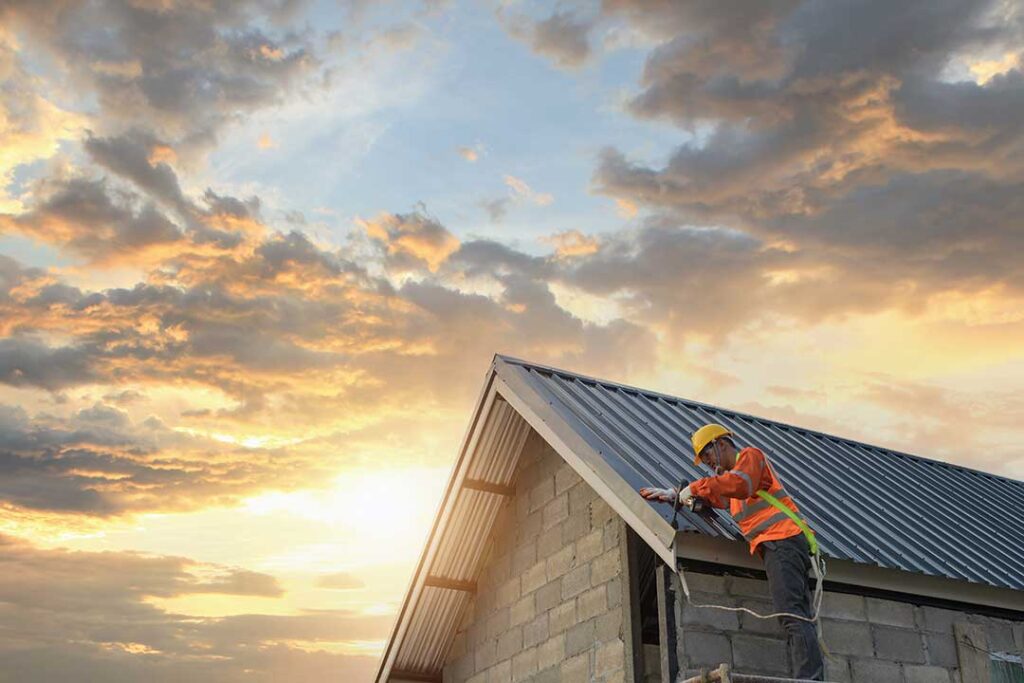
Roof life depends on more than the age of the shingles. In Ithaca, NY, roofs must handle snow, ice, wind, rain, humidity, falling leaves, and repeated freeze-thaw cycles. Regular observation and timely maintenance can help prevent small defects from becoming leaks or structural damage.
What shortens a roof’s life?
The most common causes of premature roof wear are moisture, poor drainage, inadequate ventilation, storm damage, and delayed repairs. Roofs also age faster when shingles remain damp, flashing loosens, or ice repeatedly forms along the eaves.
Local homes may experience several stresses within the same season. A roof can receive heavy rain in spring, humid conditions in summer, leaf debris in autumn, and snow or ice during winter. Temperature swings can cause roofing materials to expand and contract, gradually weakening seals and exposing small cracks.
Roof age matters, but condition matters more. A well-maintained roof may perform reliably for many years, while an older roof with neglected flashing, blocked gutters, or poor attic ventilation may develop problems sooner than expected.
How often should a roof be inspected?
A basic roof inspection is useful at least twice a year: once in spring and again in fall. An additional check is worthwhile after a major windstorm, heavy snowfall, or prolonged ice event.
A ground-level inspection can reveal several warning signs:
- Missing, cracked, curled, or visibly damaged shingles
- Dark streaks, exposed fasteners, or loose materials
- Sagging areas along the roofline
- Damaged or separated metal flashing
- Gutters filled with shingle granules or excessive debris
- Water stains on ceilings, walls, or attic framing
- Daylight visible through the roof deck from inside the attic
A person should not climb onto a steep, wet, icy, or visibly damaged roof. Roof surfaces can be slippery even when they appear dry, and snow-covered areas may conceal weak spots or openings.
Why do gutters and downspouts matter?
Clear gutters help move water away from the roof edge, fascia, siding, foundation, and basement. Blocked gutters allow water to back up under shingles or overflow against exterior walls.
Gutters should be checked in spring and fall, especially around homes near mature trees. Leaves, small branches, seed pods, and roof granules can restrict water flow. Downspouts should discharge water far enough away from the foundation to prevent pooling.
During winter, clogged gutters can contribute to ice buildup along the eaves. Ice dams form when heat escapes into the attic, melts snow on the warmer upper roof, and sends water toward colder roof edges. That water can refreeze and work beneath shingles.
Removing debris from gutters is often manageable from a safe location, but ladders introduce fall hazards. Conditions involving steep roofs, unstable ladder placement, ice, or upper-story work may require trained assistance for safety.
How can ice dams be reduced?
The most effective ice-dam prevention begins in the attic, not on the roof. The attic should have adequate insulation and balanced ventilation so that indoor heat does not warm the underside of the roof unevenly.
Helpful measures include:
- Sealing gaps around attic hatches, plumbing vents, wiring, and recessed fixtures where appropriate
- Maintaining sufficient insulation above heated rooms
- Keeping soffit and ridge ventilation pathways clear
- Avoiding storage that blocks attic airflow
- Checking for warm air leaks around chimneys, ducts, and other penetrations
A roof rake may remove snow from a low, accessible roof section, but pulling or scraping shingles can cause damage. Chipping ice with sharp tools can puncture roofing materials and create leaks.
Ice dams should not be treated with rock salt or corrosive chemicals. These materials may damage metal components, plants, masonry, and roofing surfaces. Persistent ice buildup usually points to a ventilation or insulation issue that needs attention before the next winter.
Does cleaning moss and algae help a roof last longer?
Yes. Moss can retain moisture against shingles and may lift their edges as it grows. Algae usually causes dark staining but is less mechanically damaging than moss. Both can indicate that a roof remains damp for long periods.
Branches, leaves, and other debris should be removed carefully, particularly from valleys where water naturally concentrates. Moss should not be aggressively scraped because scraping can remove protective granules and weaken the shingles.
Overhanging branches can also shorten roof life by rubbing against shingles, dropping debris, and allowing shade to keep the surface damp. Pruning should preserve a safe clearance while considering the health and stability of the tree.
What should homeowners check in the attic?
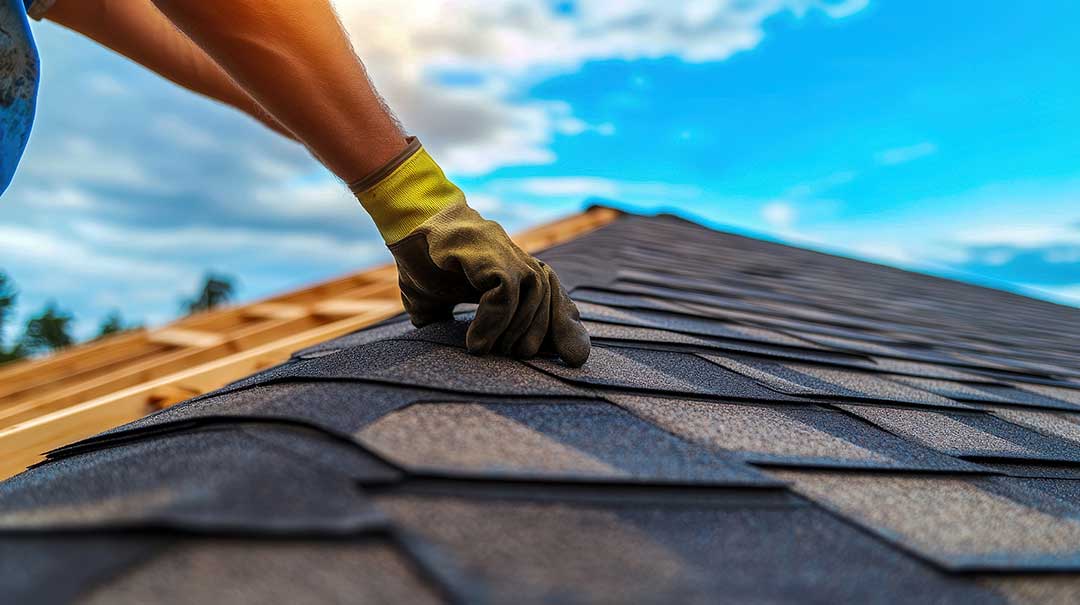
The attic can reveal roof problems before they become visible inside living areas. During or shortly after rain, look for damp insulation, water marks, rusted nails, darkened wood, or active drips.
Ventilation problems may appear as excessive heat in summer, condensation on nails or roof decking, or frost on the underside of the roof during winter. Frost can melt and create moisture damage even when the roof itself is not leaking.
Bathroom and kitchen exhaust fans should vent outdoors rather than into the attic. Moist indoor air entering the attic can contribute to condensation, mold growth, damp insulation, and wood deterioration.
Not every attic stain indicates an active roof leak. Old stains may remain after a past repair, while new moisture, soft wood, or damp insulation suggests that the problem is continuing.
How should roof damage be handled after a storm?
Storm damage should be checked promptly, but temporary safety measures are more important than immediate roof access. From the ground, look for missing shingles, exposed underlayment, fallen branches, damaged flashing, and pieces of roofing material in the yard.
Inside the home, place containers under active drips and move belongings away from wet areas if it is safe to do so. Do not walk beneath a sagging ceiling or enter an attic with electrical hazards or significant water intrusion.
Temporary coverings can reduce additional damage, but they must be installed safely and without causing new punctures. A roof with exposed decking, a major opening, structural sagging, or extensive storm damage may require qualified assistance because weather exposure can quickly worsen the condition.
Can roof coatings or sealants extend roof life?
Some coatings and sealants are designed for specific roofing systems, but they are not universal solutions. Applying a material over damaged, wet, poorly ventilated, or incompatible roofing can conceal problems rather than solve them.
Sealants around flashing and penetrations may deteriorate over time. Adding more sealant over an old, failed layer is not always effective. The underlying flashing or installation may need correction.
A coating should be considered only after the roof surface, drainage, ventilation, and moisture conditions have been evaluated. Shingle roofs, low-slope roofs, metal roofs, and membrane roofs each have different maintenance requirements.
When does maintenance stop being enough?
Repairs may no longer be practical when damage is widespread, the roof deck is deteriorated, leaks occur in multiple areas, or shingles have reached the end of their serviceable condition. Repeated patching can become less effective when failures are caused by general material aging rather than one isolated defect.
Warning signs that deserve prompt attention include:
- Persistent leaks after repairs
- Sagging roof planes or ceilings
- Widespread missing or brittle shingles
- Rot around eaves, valleys, or roof penetrations
- Extensive interior water staining
- Snow or ice entering the attic
- Damaged structural framing
Maintaining records of inspections, repairs, leaks, and storm events can help identify recurring problems. For households in Ithaca, keeping gutters clear, controlling attic moisture, checking roof surfaces after severe weather, and addressing small defects before winter are practical steps that support a longer service life.
