
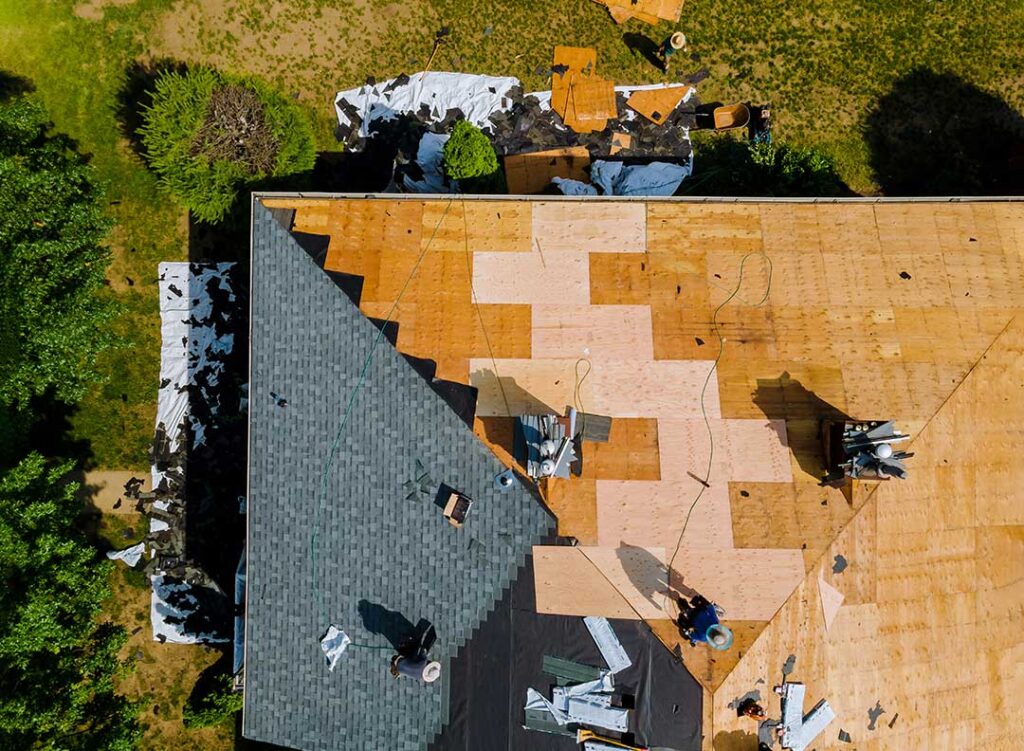
Walking on a roof can cause serious falls, damage roofing materials, and create hidden problems that are not visible from the ground. For residents in Ithaca, NY, seasonal moisture, freeze-thaw cycles, moss, steep rooflines, and older housing can make roof access especially hazardous.
The safest approach is to avoid walking on a roof unless there is a clear reason and the conditions, equipment, and roof structure are suitable. Many inspections and maintenance tasks can be handled from the ground, from a window, or with a properly positioned ladder.
Is it safe to walk on a residential roof?
A residential roof is safe to walk on only under limited conditions. The roof should be dry, structurally sound, gently sloped, free of ice and loose debris, and accessible with proper fall protection.
Never walk on a roof that is wet, icy, snow-covered, visibly sagging, damaged, or unusually steep. Morning dew, frost, rain, and shaded areas can make shingles slippery even when the rest of the roof appears dry.
A roof may also be unsafe because of conditions below the surface. Rot around eaves, weakened decking, water damage, and deteriorated framing can allow a person to break through unexpectedly. Surface appearance alone does not prove that the roof can support concentrated foot traffic.
What should be checked before stepping onto a roof?
Begin with a ground-level assessment. Look for obvious hazards before setting up a ladder or climbing onto any roof surface.
Check for:
- Missing, curled, cracked, or loose shingles
- Sagging areas along the roof plane or ridge
- Damaged gutters, loose flashing, or exposed roofing underlayment
- Overhead electrical wires or nearby branches
- Ice, snow, frost, algae, or wet leaves
- Moss or other growth that may conceal slippery surfaces
- Soft areas, holes, or signs of water intrusion inside the attic
In Ithaca, winter weather can leave behind hidden ice in shaded roof valleys, along north-facing slopes, and near clogged gutters. Freeze-thaw movement may also loosen shingles or flashing. A roof that looked stable in autumn may require a careful reassessment after winter.
What clothing and equipment reduce the risk?
Wear footwear with clean, flexible soles that provide reliable traction. Avoid smooth-soled shoes, sandals, slippers, and footwear covered in mud or loose gravel.
Basic protective equipment may include:
- A properly fitted helmet when there is a risk of falling objects or head impact
- Work gloves that allow a firm grip without reducing hand control
- Long pants and clothing that do not catch on roofing materials
- A properly rated fall-arrest harness and secure anchor system when required
- A stable extension ladder with level footing and appropriate clearance
A harness is not automatically safe simply because it is being worn. It must be connected to an anchorage designed for fall protection, and the system must be installed and used correctly. Gutters, chimneys, plumbing vents, roof brackets, and decorative structures are not reliable anchor points.
Do not carry tools in your hands while climbing. Use a tool belt, hoist line, or another method that keeps both hands available.
How should a ladder be positioned?
A ladder should stand on firm, level ground and rest against a suitable structural surface. It should not be placed on ice, loose soil, wet leaves, stacked materials, or an unstable deck.
Keep the ladder clear of overhead wires and make sure it cannot shift sideways or slide at the base. Extension ladders should extend sufficiently above the roof edge to provide a secure handhold while stepping onto or off the roof.
Maintain three points of contact while climbing: two hands and one foot, or two feet and one hand. Face the ladder while ascending and descending. Do not stretch sideways to reach gutters or roof areas; climb down and reposition the ladder instead.
A ladder stabilizer can help reduce movement, but it does not replace secure footing, proper setup, or fall protection.
Where should a person step on a shingle roof?
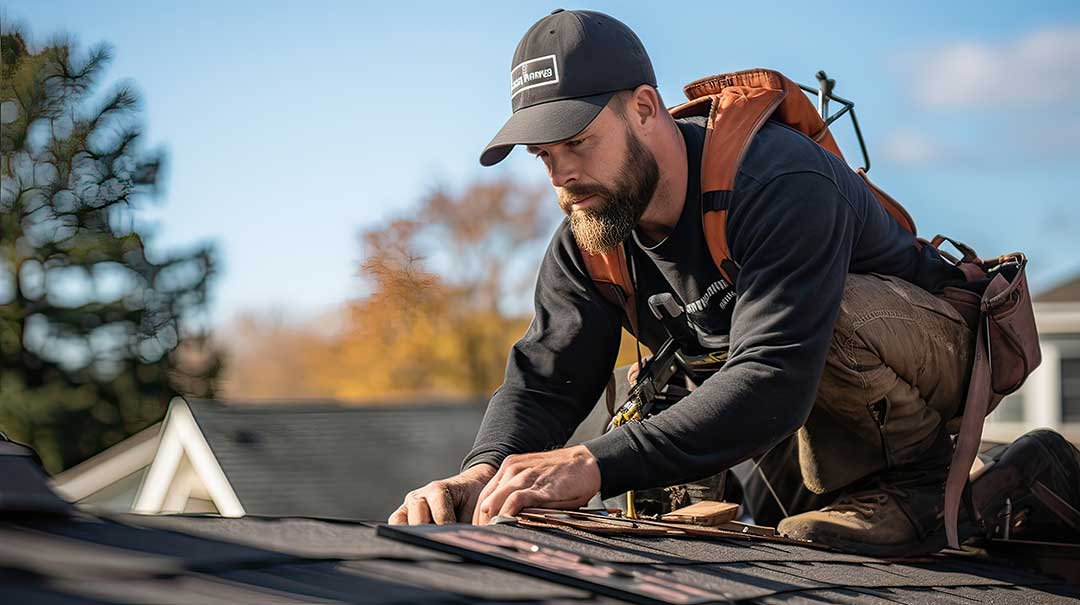
If roof access is unavoidable, step on areas most likely to be supported by the roof framing, such as locations near rafters or trusses. Avoid stepping directly on unsupported spaces between framing members, especially where the decking may be weakened.
Walk slowly and keep your weight centered over your feet. Take short steps rather than long strides. Avoid twisting, jumping, sliding, or turning quickly.
Do not step on:
- Skylights, even if they appear solid
- Roof edges and loose fascia
- Valleys filled with debris
- Areas with visible water damage
- Plastic vents, ridge vents, or metal flashing
- Loose or raised shingles
- Gutters or downspouts
Roofing granules can become embedded in shoe soles and reduce traction. They can also be displaced by foot traffic, shortening the life of asphalt shingles. Older shingles may crack easily, particularly during cold weather when they become less flexible.
Does walking on a metal roof require different precautions?
Yes. Metal roofing can be extremely slippery when wet, frosted, or dusty. Some panels also dent or deform under foot pressure, while concealed fasteners and seams may not be designed for regular traffic.
Never assume that a low-slope metal roof is safe to cross without confirming its walking surface and structural support. Step only where the roofing system is designed to accept foot traffic, and avoid seams, edges, skylights, and areas with loose coatings.
Standing-seam metal roofs can be especially difficult to navigate because the seams create uneven footing. A fall from even a relatively low roof can result in severe injury.
Can snow or ice be safely removed by walking on the roof?
Walking on a snow-covered or icy roof is not safe for most homeowners. Snow hides roof edges, skylights, damaged shingles, and weak decking. It also changes the way weight is distributed across the roof and may conceal areas that are already stressed.
Snow removal from the ground using equipment designed for that purpose is generally safer than climbing. Avoid pulling heavy snow loads toward people, vehicles, windows, doors, or utility equipment. Do not use sharp tools that can puncture roofing materials or damage flashing.
Ice dams should not be chopped apart from the roof. Striking ice can damage shingles and create openings for water. Roof access should be avoided until the surface is clear, dry, and stable.
What should be done after a fall or suspected roof damage?
If someone falls, do not move the person unless there is an immediate danger such as fire, collapse, or live electrical contact. Call emergency services, keep the person still, and watch for breathing problems, severe bleeding, confusion, neck pain, or loss of consciousness.
After a fall or impact, do not assume that feeling well means there is no injury. Back, head, and internal injuries may not be obvious immediately.
If a person steps through the roof or notices a sagging area, leave the roof and attic promptly. Keep others away from the area below until the structure has been evaluated. Water damage, damaged decking, and framing problems can worsen under additional weight.
When should roof access be avoided entirely?
Do not walk on a roof during rain, snow, freezing temperatures, strong winds, thunderstorms, or poor visibility. Avoid access after dark unless there is an immediate emergency and suitable lighting and safety equipment are available.
Roof access should also be avoided when the structure is steep, unusually high, visibly deteriorated, or difficult to reach safely. In those circumstances, the risk is not limited to slipping; falling from a roof edge or breaking through weakened decking can cause life-threatening injuries.
For routine observations, use binoculars from the ground, inspect attic spaces from a safe floor, and photograph accessible areas from windows or ladders without stepping onto the roof. If a roof has structural damage, unsafe access conditions, or suspected electrical hazards, a qualified roofing or building professional should evaluate it rather than asking an untrained person to climb.
