
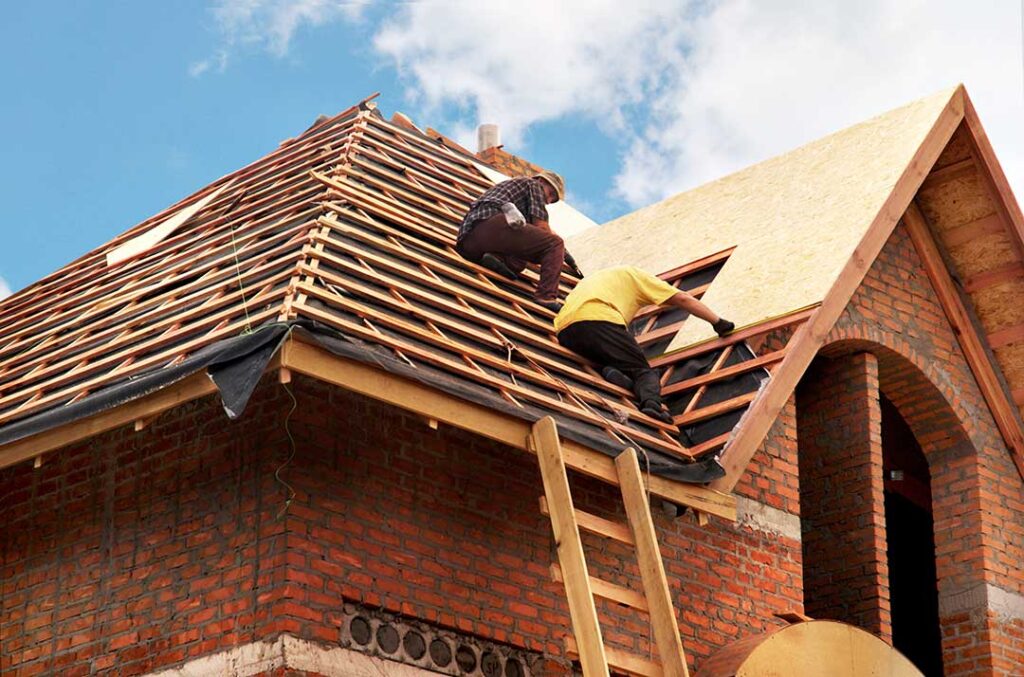
Does a roof really affect energy efficiency?
Yes. A roof influences how much heat a home loses in winter, how much solar heat enters the attic or upper floors in summer, and whether moisture problems reduce the effectiveness of insulation.
In Ithaca, NY, roofs must perform through cold winters, snow, wind, freeze-thaw cycles, and increasingly warm summer periods. Energy efficiency depends less on the roofing material alone than on the complete roof assembly: the roof covering, underlayment, ventilation, air sealing, insulation, and drainage all work together.
A roof can be relatively new and still allow substantial energy loss if the attic floor is poorly insulated or if air leaks around penetrations, hatches, chimneys, and recessed lights.
Where does most roof-related heat loss occur?
For many homes, the largest energy problem is not the shingles or metal covering. It is the boundary between the heated living space and the attic.
Warm air naturally rises. If the ceiling below an attic has gaps, heated indoor air can escape through:
- Attic hatches and pull-down stairs
- Plumbing and electrical penetrations
- Recessed light fixtures
- Chimney and flue openings
- Ductwork
- Wall-top plates
- Bathroom fan and dryer vent openings
Air sealing closes these pathways. Insulation then slows heat transfer through the ceiling. Both steps matter. Adding insulation without addressing major air leaks may leave warm, moist air moving into the attic, where it can condense on cold surfaces.
This is one reason an attic may feel cold while the home still loses heat. A properly functioning attic is usually intended to remain outside the home’s heated envelope, while the ceiling below it provides the main thermal barrier.
How does attic insulation improve comfort?
Adequate attic insulation helps keep indoor temperatures more stable. Rooms below the attic are less likely to become noticeably colder in winter or hotter during sunny summer weather.
Insulation also reduces the workload on heating and cooling equipment. In a home with uneven temperatures, high fuel use, or frequent drafts, the roof-to-attic boundary is worth examining along with windows, doors, walls, and basements.
Insulation should be installed evenly and should not block soffit vents. Compressed, wet, displaced, or missing insulation performs poorly. Areas around attic access points and roof penetrations often need special attention because they are easy to overlook.
Moisture must be addressed before adding insulation. A roof leak, plumbing leak, or poorly vented bathroom fan can make insulation damp and reduce its performance. Persistent moisture can also contribute to wood deterioration, mold, or wintertime frost in the attic.
What role does roof ventilation play?
Roof ventilation helps manage heat and moisture in the attic, but it is not a substitute for insulation or air sealing.
A common ventilation arrangement uses intake openings near the eaves and exhaust openings near the ridge or upper roof. This allows outdoor air to move through the attic space. The goal is to reduce trapped moisture and help moderate attic temperatures.
Ventilation problems can occur when:
- Soffit vents are covered by insulation
- Exhaust vents are blocked or poorly placed
- Bathroom fans discharge into the attic instead of outdoors
- The attic has inadequate intake air
- Several ventilation types are installed without a coherent airflow path
More ventilation is not automatically better. If the ceiling plane is leaky, increased airflow may allow more warm, moist indoor air to enter the attic. The building envelope should be sealed first, followed by a properly balanced ventilation approach.
Can a new roof lower energy bills?
A new roof may improve energy performance, but the result depends on what is replaced or corrected during the work.
Replacing worn roofing material can stop water intrusion and protect insulation. A roof replacement may also provide an opportunity to repair damaged decking, improve flashing, correct ventilation issues, or add insulation in areas that are accessible.
However, new shingles alone generally do not solve major attic heat-loss problems. If the insulation and air barrier remain unchanged, energy savings may be limited.
Roof color and surface reflectivity can affect summer heat gain. Light-colored or specially reflective roofing surfaces may stay cooler in direct sun, but this benefit is generally more significant in buildings with substantial cooling demand. In this region, winter heat loss and attic insulation are often more influential than choosing a highly reflective roof surface.
Do ice dams indicate an energy-efficiency problem?
Often, yes. Ice dams form when heat escaping from the living space warms parts of the roof, causing snow to melt. Water then moves toward colder roof edges, where it refreezes.
Ice dams can also result from weather conditions, roof geometry, gutters, and snow accumulation. But repeated ice dams may indicate heat leakage through the ceiling or inadequate attic ventilation.
Useful diagnostic clues include:
- Snow melting in irregular patches while nearby roofs remain covered
- Icicles forming along eaves after cold weather
- Water staining near exterior walls or ceilings
- Frost or dampness inside the attic
- Repeated winter leaks in the same locations
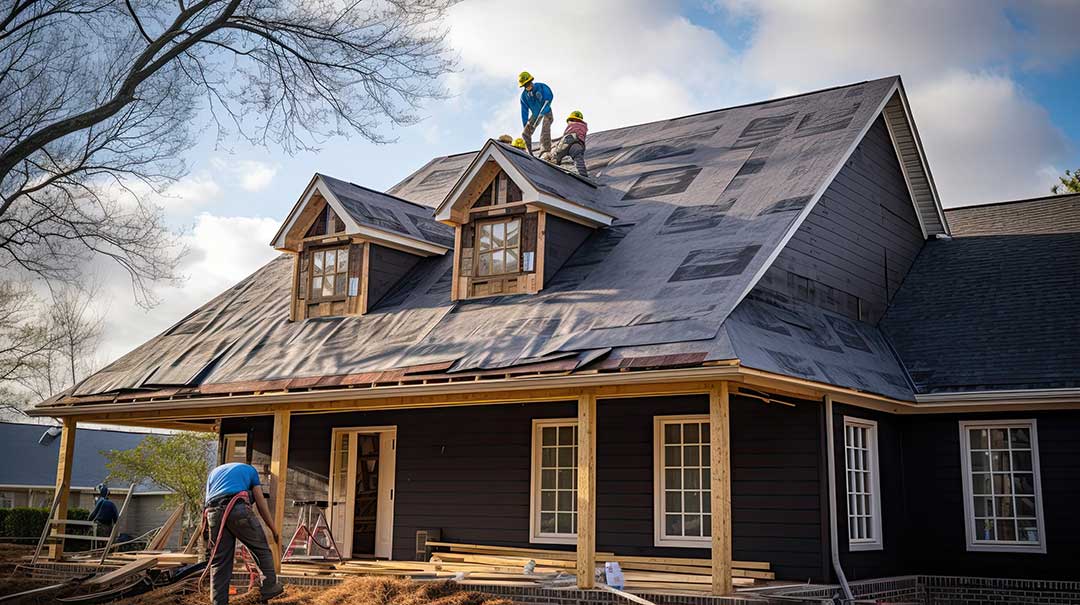
Preventing ice dams usually involves improving ceiling air sealing and insulation, correcting ventilation, and addressing drainage or flashing problems. Removing snow from a roof can involve serious fall hazards and should not be attempted casually.
How do older homes affect roof energy performance?
Older housing often contains a mixture of building methods and past repairs. Some homes may have limited attic insulation, small attic spaces, additions with different roof designs, or insulation that has shifted over time.
Historic details, enclosed soffits, low-slope sections, and finished attic rooms can make improvements more complicated. In a finished attic, the insulation may need to be placed along the roof slope rather than across the attic floor. That changes the ventilation and moisture-control requirements.
A whole-house perspective is useful. Improving the roof while leaving major air leaks in the basement, walls, or rim joists may produce less comfort improvement than expected. Energy performance depends on the continuity of the entire building envelope.
What can residents check safely?
A basic visual review can reveal warning signs without climbing onto the roof.
From inside the attic, look for:
- Daylight around vents, chimneys, or wiring
- Wet or compressed insulation
- Darkened wood or water stains
- Frost during cold weather
- Blocked soffit vents
- Bathroom fans or dryer ducts terminating indoors
- Large gaps around the attic hatch
From the living areas, notice whether upper-floor rooms are unusually cold, ceilings show staining, or heating and cooling costs seem inconsistent with household use.
Roof surfaces should generally be inspected from the ground unless safe access and appropriate fall protection are available. Roof work, electrical clearances, damaged structural members, and suspected mold or hazardous materials require qualified assessment because mistakes can create safety or moisture problems.
Which improvements usually come first?
The most sensible sequence is usually to correct active leaks and safety concerns first, then address air sealing, insulation, and ventilation as a coordinated system.
For many homes, the priority order is:
- Repair water entry and damaged roof components
- Seal major openings between the home and attic
- Improve or replace inadequate insulation
- Confirm that soffit and exhaust ventilation function properly
- Check ductwork and attic penetrations
- Reassess comfort and energy use after the work
This approach avoids treating the roof covering as an isolated feature. A durable roof protects the home from weather, while a well-sealed and properly insulated roof assembly helps keep heating and cooling where they belong: inside the living space.
