
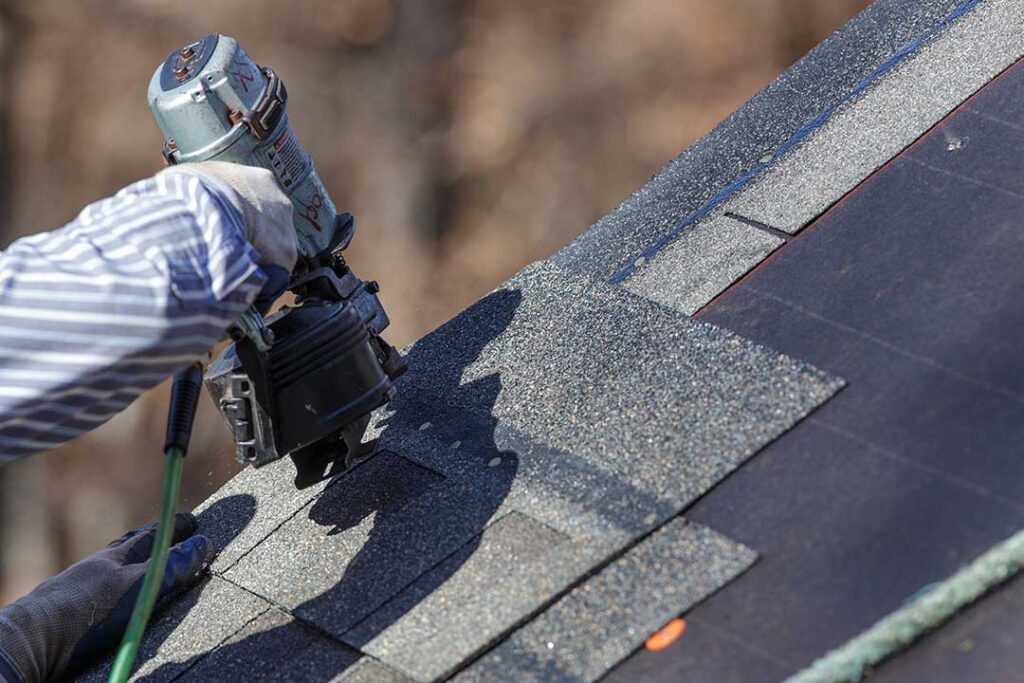
A professional roof inspection is a systematic evaluation of the roof covering, drainage, flashing, ventilation, attic, and visible signs of water entry. The goal is to determine the roof’s current condition, identify developing problems, and distinguish routine maintenance from repairs that may require prompt attention.
What does a professional roof inspection include?
A roof inspection usually includes both an exterior review and an interior examination of accessible attic or ceiling areas. The inspector looks for damage, aging, installation concerns, moisture, and conditions that could shorten the roof’s service life.
The inspection commonly covers:
- Roof shingles, panels, membranes, or other visible roof coverings
- Ridges, hips, valleys, and roof edges
- Flashing around chimneys, vents, skylights, walls, and roof-to-roof intersections
- Gutters, downspouts, and drainage paths
- Soffits, fascia, eaves, and visible trim
- Attic ventilation and insulation conditions
- Roof sheathing that can be seen from the attic
- Ceiling stains, damp insulation, mold-like growth, or other signs of leakage
- Signs of wind, fallen branches, animal activity, or improper past repairs
An inspection is not the same as removing roofing materials or opening walls. Most evaluations are visual and non-destructive. Concealed defects may require additional investigation if there are signs that water or structural damage extends beneath the visible surfaces.
Will the inspector walk on the roof?
Sometimes, but not always. Roof access depends on slope, height, surface condition, weather, roof age, and safety risks.
A walkable roof may be examined closely on foot. A steep, wet, icy, fragile, or deteriorated roof may be evaluated from ladders, nearby surfaces, binoculars, or other visual methods instead. A careful inspection should not create additional damage simply to obtain a closer view.
In Ithaca, winter conditions can make roof access particularly limited. Snow, ice, frost, and freeze-thaw conditions can conceal damaged shingles or make walking unsafe. An inspection performed during poor weather may document visible conditions while recommending a follow-up review after the roof is clear and dry.
What happens during the exterior inspection?
The exterior portion generally starts with a review of the roof’s overall shape and drainage pattern. The inspector looks for areas that appear uneven, sagging, heavily weathered, or prone to collecting water.
Specific observations may include:
Roof covering
The inspector may identify:
- Missing, cracked, curled, blistered, or loose shingles
- Exposed fasteners
- Granule loss in gutters or at downspouts
- Rust, corrosion, dents, or displaced panels on metal roofing
- Open seams or punctures on low-slope roof surfaces
- Moss, algae, or organic buildup that may retain moisture
- Areas with patching or multiple layers of older roofing
A small amount of surface wear does not automatically mean a roof needs replacement. The significance depends on the pattern, location, age, remaining material, and whether the roof is still shedding water effectively.
Flashing and penetrations
Flashing directs water away from joints and openings. Particular attention is usually given to chimney edges, plumbing vents, skylights, sidewalls, roof valleys, and transitions between different roof sections.
Flashing can fail because of corrosion, movement, poor installation, cracked sealants, or exposure to repeated freezing and thawing. A roof may appear intact while a flashing problem allows water to enter during wind-driven rain.
Edges and drainage
The roof edge, gutters, and downspouts are checked for sagging, blockage, loose connections, overflowing, and poor discharge. Water that repeatedly spills near the foundation or backs up beneath roof edges can create problems beyond the roof itself.
Leaves, needles, and ice can interfere with drainage. In older homes with mature trees, roof inspections may pay close attention to debris accumulation and branches that rub against the roof surface.
Why is the attic inspection important?
The attic can reveal problems that are not visible from outside. Darkened wood, damp insulation, rusty fasteners, water marks, and musty odors may indicate leakage or condensation.
The inspector may also look for:
- Gaps around plumbing vents and other penetrations
- Inadequate airflow at soffits, ridges, gable vents, or other openings
- Compressed or displaced insulation
- Mold-like staining caused by moisture
- Daylight visible through unwanted openings
- Sagging or deteriorated roof sheathing
- Bathroom or kitchen exhaust ducts that release moisture into the attic
- Evidence of ice damming or repeated roof-edge wetting
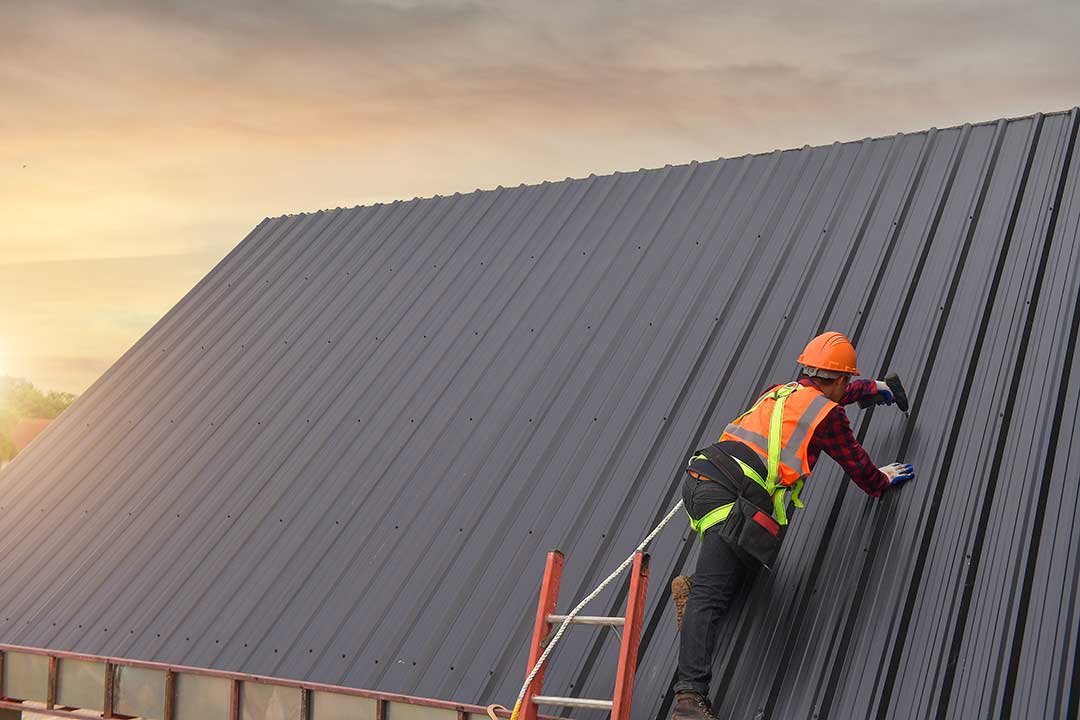
Roof leaks do not always appear directly below the point where water enters. Water can travel along rafters, roof decking, insulation, or framing before staining a ceiling. An attic inspection helps connect interior evidence with exterior conditions.
New York’s residential construction requirements address attic and roof-space ventilation, but an inspection generally reports observed conditions rather than automatically certifying that every hidden component meets current code. Older homes may have been built under different requirements, and later alterations may affect how the roof assembly performs.
How does local weather affect the inspection?
The climate in Ithaca exposes roofs to snow, rain, wind, humidity, and repeated changes between freezing and thawing. These conditions can affect both the roof surface and the materials beneath it.
An inspection may therefore consider:
- Shingles loosened by wind or weakened by age
- Ice dams or staining near roof edges
- Moisture from poor attic ventilation
- Damage from fallen limbs or heavy snow
- Sealants and flashing affected by expansion and contraction
- Gutter blockages caused by leaves and winter debris
- Roof surfaces that remain damp because of shade or limited airflow
Snow cover can hide missing shingles, flashing defects, and damaged roof edges. After a winter storm, visible damage should be documented, but a complete assessment may need to wait until the roof is accessible.
What should the inspection report contain?
A useful report should explain what was observed, where it was found, and how significant it appears to be. Photos are often helpful, especially for attic staining, damaged flashing, missing shingles, or areas that cannot be easily viewed from the ground.
The report may classify findings as:
- Maintenance items: Cleaning, trimming branches, improving drainage, or monitoring minor wear
- Repairs: Localized defects that should be corrected to prevent continued deterioration
- Safety concerns: Conditions involving unstable surfaces, loose materials, or falling hazards
- Further evaluation: Areas where concealed damage, structural concerns, or inaccessible components cannot be confirmed visually
- Replacement considerations: Widespread deterioration, recurring leakage, or a roof near the end of its practical service life
A report should not treat every imperfection as an emergency. It should also avoid dismissing active leaks, sagging, exposed decking, or widespread water damage as ordinary aging.
How long does an inspection take?
The time varies with roof size, design, accessibility, weather, and whether an attic or interior areas are included. A simple, accessible roof may be reviewed relatively quickly, while a home with multiple roof sections, dormers, chimneys, additions, or limited attic access requires more time.
Before the inspection, it helps to provide information about known leaks, past repairs, unusual odors, ceiling stains, or recent storm damage. Access to the attic, upper-floor rooms, utility areas, and exterior roof edges may be necessary.
What can a homeowner safely check afterward?
Residents can monitor conditions without climbing onto the roof. From the ground or from accessible windows, look for new dark stains, sagging gutters, missing roof materials, debris piles, or water marks on ceilings and walls.
Inside the attic, only enter if the space is safely accessible. Avoid stepping between framing members, disturbing insulation, or entering areas with poor flooring, exposed wiring, standing water, or signs of structural weakness.
A professional inspection provides information, not a guarantee that future leaks will not occur. Roof materials continue to age, severe weather can cause sudden damage, and concealed conditions may remain unknown. The most useful result is a clear record of present conditions, practical priorities, and issues that should be monitored over time.
