
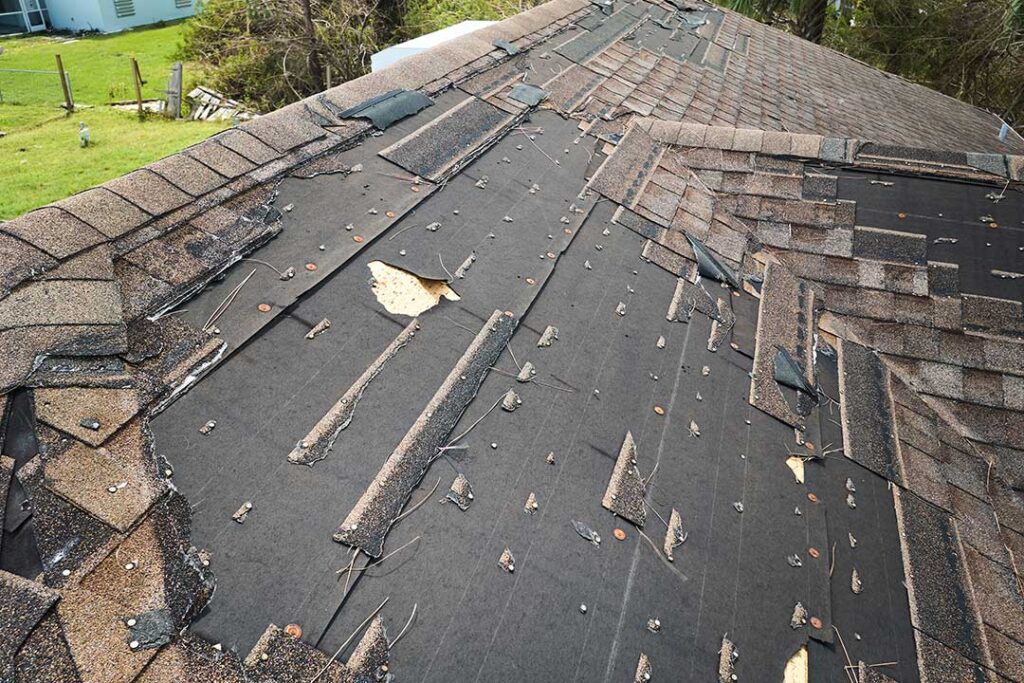
Understanding roofing terminology makes it easier to read inspection notes, compare repair descriptions, and recognize potential problems before they become urgent. For homeowners in Ithaca, seasonal snow, freeze-thaw cycles, heavy rain, wind, and shaded conditions can all affect how a roof performs.
What are the main parts of a roof?
A residential roof is more than the visible shingles. It is a layered system designed to shed water, resist weather, and ventilate the attic.
- Roof deck: The structural surface beneath the roofing materials, usually made from plywood or oriented strand board. It supports the underlayment and shingles.
- Roof covering: The exposed material that provides the first line of defense against rain, snow, sunlight, and wind. Asphalt shingles are common, but other materials may also be used.
- Underlayment: A water-resistant layer installed over the roof deck and beneath the roof covering. It provides backup protection if water gets under the outer material.
- Flashing: Thin pieces of metal or another durable material installed around joints and penetrations, such as chimneys, walls, skylights, and roof edges. Flashing directs water away from vulnerable areas.
- Ridge: The highest horizontal line where two sloped roof sections meet.
- Eave: The lower edge of a sloped roof that extends beyond an exterior wall.
- Rake: The sloped edge of a roof that runs from the eave toward the ridge.
- Soffit: The underside of an overhanging eave.
- Fascia: The vertical board along the lower edge of a roof, often where gutters are attached.
Damage to one component can affect others. For example, deteriorated fascia may allow water behind the gutter, while damaged flashing can cause a leak even when the shingles appear intact.
What is roof slope, and why does it matter?
Roof slope describes how steeply a roof rises compared with how far it runs horizontally. It is often expressed as a ratio, such as 6-in-12, meaning the roof rises 6 inches for every 12 inches of horizontal distance.
A steeper roof generally sheds rain and melting snow more quickly. A low-slope roof may require different installation methods because water remains on the surface longer. Roof slope also affects:
- How much snow can accumulate
- How easily roofers can safely walk on the surface
- Which materials and fastening methods are appropriate
- How water moves toward valleys, edges, and drainage systems
A roof can have more than one slope. Dormers, additions, porches, and older sections may create complicated areas where different roof planes meet.
What are valleys, hips, and ridges?
A valley is an inward angle where two roof sections meet. Valleys collect water and snow, making them among the most important drainage areas on a roof.
A hip is an outside angle where two sloping roof sections meet. A hip roof slopes upward from several exterior walls toward a ridge or central point.
A ridge is the uppermost meeting point of sloped roof planes. Ridge areas often include ventilation openings, which may be covered by a ridge vent.
Valleys and roof intersections deserve careful attention after severe weather. Wind-driven rain, ice buildup, leaves, and small branches can interfere with drainage or expose weaknesses in flashing.
What is roof ventilation?
Roof ventilation allows air to move through the attic or roof assembly. A properly balanced system usually brings cooler air in through intake vents near the eaves and allows warm, moist air to escape through higher vents.
Common ventilation terms include:
- Soffit vent: An intake vent installed in the soffit.
- Ridge vent: A continuous exhaust vent installed near the roof ridge.
- Gable vent: A vent placed in a triangular exterior wall at the end of a roof.
- Roof vent: A general term for several types of exhaust vents installed through the roof.
- Baffle: A channel that helps maintain airflow from a soffit vent into the attic.
Ventilation does not remove the need for insulation. Its purpose is to manage heat and moisture, not to make the attic warm in winter. In a cold, snowy climate, poor ventilation can contribute to condensation, mold, damp insulation, and uneven roof temperatures that encourage ice dams.
What is an ice dam?
An ice dam is a ridge of ice that forms along a roof edge and prevents melting snow from draining into the gutters. Water may then back up beneath shingles or enter around flashing and roof penetrations.
Ice dams are often linked to uneven roof temperatures. Heat escaping from the living space can warm upper roof sections, while colder eaves allow water to refreeze. Attic insulation, air sealing, ventilation, roof geometry, and weather conditions all influence the risk.
Ice dams should not be chopped away with sharp tools. That can damage shingles and create additional leaks. Large accumulations, active interior leaking, or dangerous roof access require specialized attention because winter roof work involves fall, electrical, and structural hazards.
What is flashing, and where is it used?
Flashing protects transitions where water could otherwise enter. It is commonly found around:
- Chimneys
- Plumbing vent pipes
- Skylights
- Dormers
- Wall intersections
- Roof-to-porch connections
- Valleys
- Roof edges and eaves
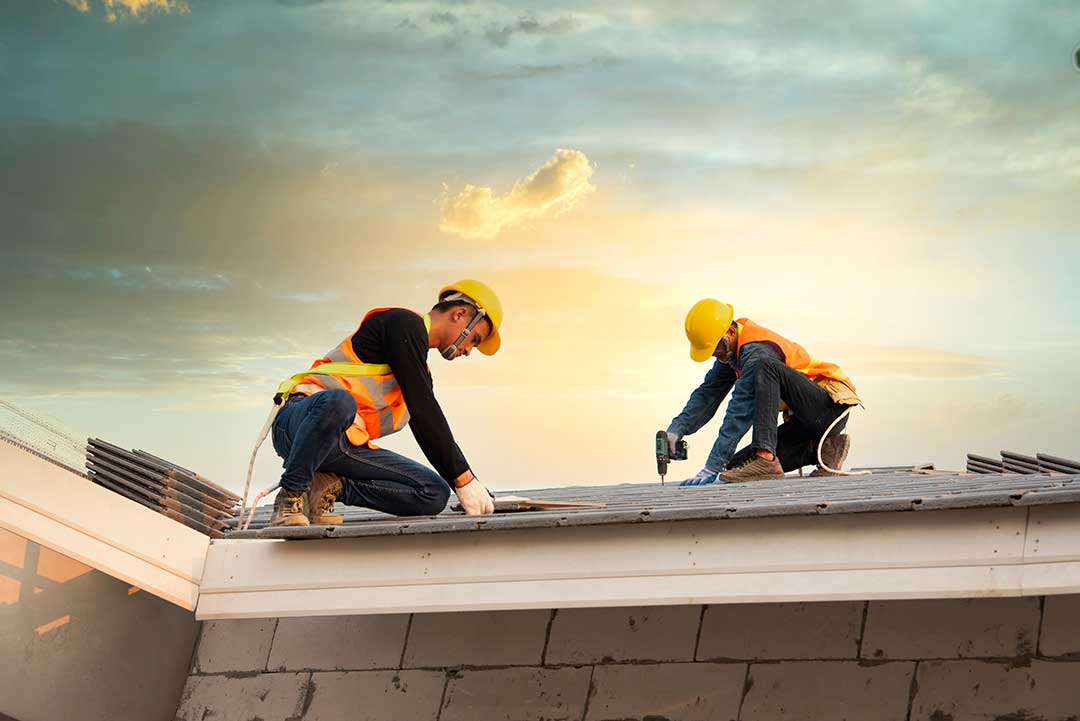
Step flashing is installed in pieces along the side of a wall or chimney, usually interwoven with the roofing material. Counterflashing is installed over or into masonry or another vertical surface to help protect the upper edge of the flashing.
A common misconception is that roof leaks always occur directly above an interior water stain. Water can travel along the roof deck, framing, or insulation before becoming visible indoors.
What are granules, blistering, and shingle wear?
Asphalt shingles contain small mineral granules that protect the underlying material from sunlight and weather. Granules in gutters or at downspout outlets may indicate normal aging, but a sudden increase can signal surface deterioration.
Blistering refers to raised areas on a shingle, sometimes caused by moisture or manufacturing-related conditions. Curling occurs when shingle edges or corners lift. Cracking may develop as materials age or experience repeated temperature changes.
Not every missing granule or isolated mark means a roof needs replacement. The significance depends on the pattern, location, age of the roof, exposure, and condition of the underlying layers.
What is a roof leak, and how can it be traced?
A roof leak is water entering through a failure in the roof system, but the entry point may be difficult to identify. Common sources include damaged shingles, failed flashing, clogged drainage paths, exposed fasteners, deteriorated sealants, and damaged vent components.
Interior clues can include:
- Brown or yellow ceiling stains
- Damp attic insulation
- Peeling paint
- Musty odors
- Bubbling drywall
- Water appearing after wind-driven rain
- Drips that occur only during snowmelt
A stain that dries does not necessarily mean the problem is resolved. Moisture may remain hidden in insulation or wood framing. Buckets and towels can limit interior damage temporarily, but they do not identify the source.
What is the difference between roof repair, maintenance, and replacement?
Maintenance addresses conditions that may shorten roof life, such as blocked gutters, heavy debris, deteriorated sealants, or poor attic airflow.
Repair corrects a localized failure, such as damaged flashing, a small area of missing shingles, or a leaking penetration.
Replacement involves removing some or all of the existing roofing system and installing new materials. Replacement may become more practical when damage is widespread, the roof deck is compromised, repeated repairs are needed, or the roofing material has reached the end of its serviceable life.
A roof’s calendar age is useful but not decisive. Two roofs of the same age may perform differently because of installation quality, ventilation, shade, snow exposure, maintenance, and storm history.
Which roofing terms are most useful during an inspection?
Homeowners should be comfortable asking what a report means by:
- Deferred maintenance: A condition that has not been addressed and may worsen.
- Serviceable: Functioning adequately at the time of observation, without guaranteeing future performance.
- Life expectancy: An estimate influenced by materials, installation, exposure, and maintenance.
- Active leak: Evidence that water is entering or has entered recently.
- Roof deck damage: Deterioration or weakness in the structural surface beneath the roofing.
- Penetration: Any object that passes through the roof, including vents, chimneys, and skylights.
- Roof system: The combined layers and components that protect the building, rather than only the visible shingles.
Knowing these terms helps residents describe problems accurately and understand whether an issue involves the surface, drainage, ventilation, structure, or interior moisture. That distinction is especially useful after heavy snow, windstorms, or repeated freeze-thaw weather in Ithaca.
