
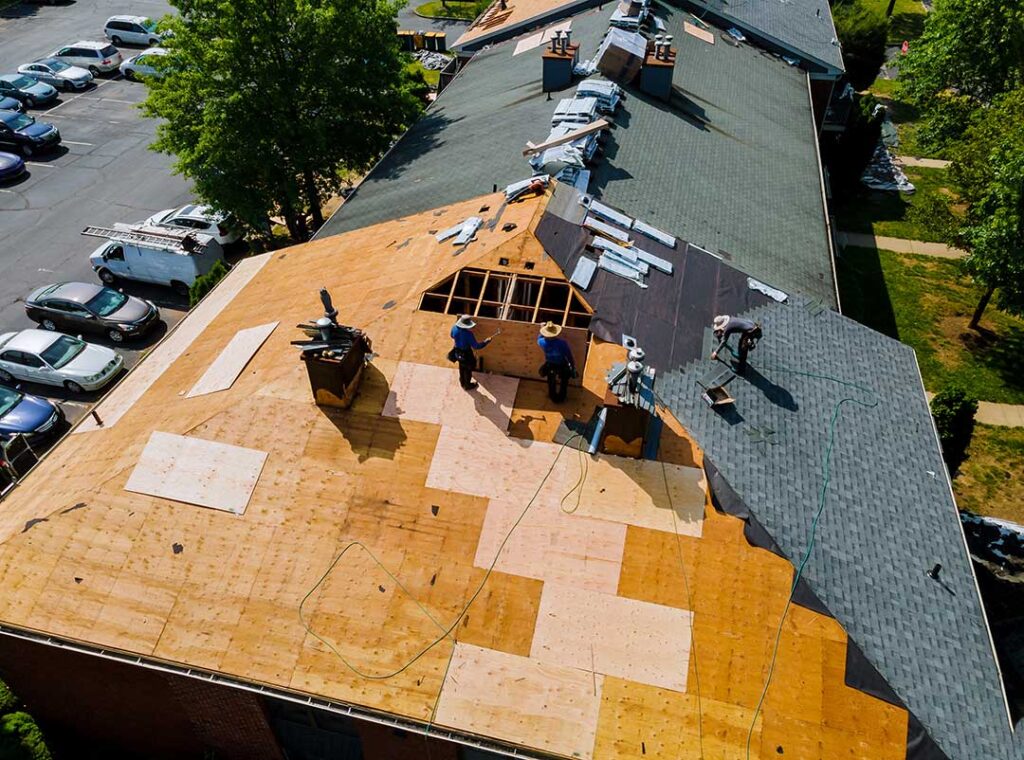
A roof rarely fails all at once. More often, small issues—loose flashing, clogged drainage, damaged shingles, poor attic ventilation, or recurring ice buildup—gradually allow water and weather to cause larger problems. Preventive roof maintenance helps identify those issues while repairs are still limited, accessible, and relatively predictable.
For homeowners in Ithaca, seasonal maintenance has added value because roofs must manage snow, freezing temperatures, thawing, wind, heavy rain, falling leaves, and repeated moisture changes. The long-term benefit is not simply a roof that looks better. It is a home with fewer unexpected leaks, less interior damage, and a clearer understanding of when replacement may eventually be necessary.
What does preventive roof maintenance include?
Preventive maintenance is the routine process of checking the roof system, clearing avoidable obstructions, and correcting minor defects before they become active failures. It is more than looking for missing shingles from the ground.
A practical maintenance review may include:
- Examining shingles, metal roofing, membranes, ridge caps, and exposed fasteners
- Checking flashing around chimneys, skylights, dormers, valleys, and wall intersections
- Looking for clogged gutters, blocked downspouts, and signs of overflowing water
- Inspecting soffits, fascia, and roof edges for decay or staining
- Checking attic areas for damp insulation, mold-like growth, daylight, or water marks
- Looking for moss, algae, excessive debris, or branches rubbing against the roof
- Reviewing previous leak locations, repair areas, and recurring winter problems
Some tasks are appropriate for a homeowner at ground level, such as observing damaged shingles with binoculars or clearing leaves from accessible gutters. Walking on a wet, icy, steep, or deteriorated roof creates a genuine fall risk and is not necessary for routine observation.
Why is roof maintenance especially useful in Ithaca?
Ithaca’s weather places repeated stress on roofing materials. Snow can remain on a roof, melt during a warm period, and refreeze when temperatures drop. That cycle can expose weak flashing, aging sealants, and poorly drained areas.
Freeze-thaw movement also affects roofing details that may appear sound during dry weather. Water can enter a small opening, freeze, expand, and gradually enlarge the defect. Wind-driven rain may then reach sheathing, insulation, ceilings, or wall cavities.
Older homes and homes with additions can have several roof slopes, valleys, porch connections, or changes in construction. These transitions often deserve extra attention because water follows the path of least resistance, not necessarily the most visible path. A stain on a ceiling may be several feet away from the point where water entered the roof.
How does maintenance extend roof life?
Maintenance cannot stop normal aging, but it can reduce avoidable deterioration. A roof generally lasts longer when water drains properly, roof edges remain secure, ventilation is balanced, and small openings are not left exposed through multiple seasons.
For example, a damaged flashing joint may be a limited repair when discovered early. If ignored, water may wet the roof deck, damage insulation, stain finished surfaces, and contribute to wood decay. The later work may involve several building components rather than one roof detail.
Keeping gutters and downspouts clear also protects more than the roof. Overflowing water can soak fascia boards, erode soil near the foundation, wet exterior walls, and contribute to basement moisture. Proper drainage is therefore part of roof care and whole-house moisture management.
Can preventive maintenance reduce long-term costs?
It can reduce the likelihood of expensive secondary damage, although it does not guarantee a specific repair cost or extend every roof to the same age. The financial value comes mainly from timing.
A small, planned repair is usually easier to evaluate than an emergency leak discovered after water has reached finished ceilings or electrical components. Maintenance also gives homeowners time to plan for major work rather than making decisions during a storm, winter leak, or active interior damage.
Useful records can improve that planning. Keep notes about:
- The approximate installation date and roofing material
- Areas that have been repaired
- Dates of inspections or maintenance checks
- Evidence of leaks, ice dams, or gutter overflow
- Photos of unusual conditions before and after repairs
These records can help distinguish an isolated defect from a broader aging pattern.
What should homeowners check in spring and fall?
Spring and fall are practical times for a detailed review because each season prepares the roof for different risks.
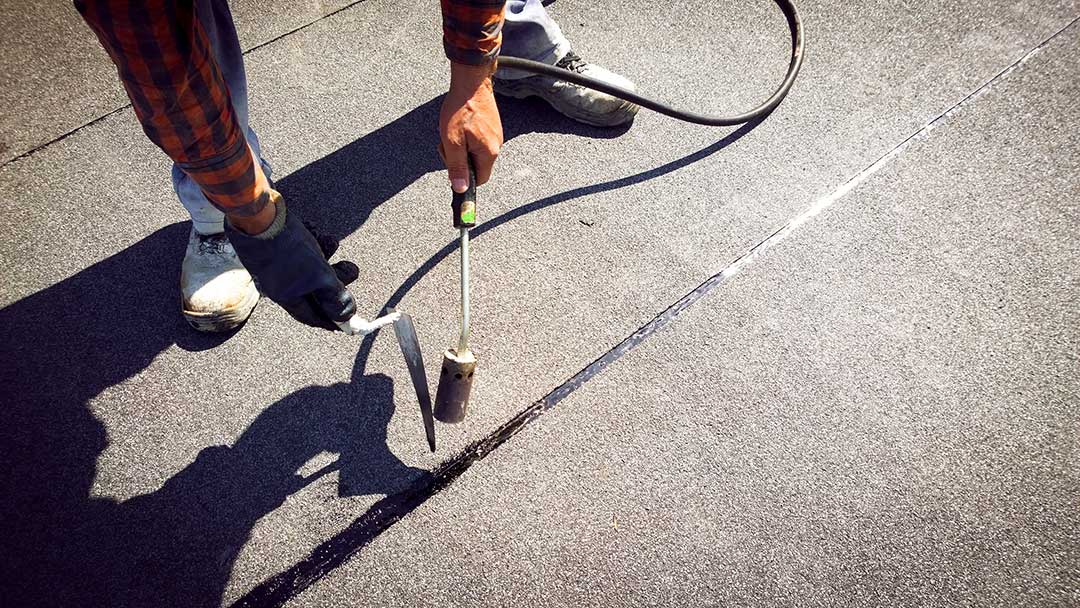
Spring review
After snow and ice have cleared, check for:
- Lifted, cracked, or missing shingles
- Bent or displaced metal flashing
- Granules collecting in gutters or at downspout outlets
- Water stains in attic spaces or upper ceilings
- Sagging gutters or loose downspouts
- Damage from fallen branches or wind
Spring is also a useful time to determine whether a winter ice dam was caused by a localized drainage issue or by heat escaping into the attic. Repeated ice dams may point to insulation, air-sealing, or ventilation problems rather than a simple gutter problem.
Fall review
Before extended freezing weather, clear leaves and organic debris from drainage paths and inspect roof penetrations. Trim branches that could scrape roofing materials or fall during wind and wet snow. Confirm that downspouts discharge water away from the foundation and that water is not pooling near the building.
A roof should not be sealed up in a way that blocks necessary ventilation. Attic ventilation and insulation work together: the goal is to limit warm, moist air reaching the underside of the roof while allowing the roof assembly to manage temperature and moisture appropriately.
What are common misconceptions about roof maintenance?
One misconception is that a roof only needs attention after a leak appears. A visible leak is often a sign that water has already moved through one or more hidden layers.
Another misconception is that new-looking shingles mean the entire roof system is problem-free. Flashing, ventilation, drainage, skylights, chimneys, and roof-to-wall connections may age differently from the main field of shingles.
It is also risky to assume that every dark roof mark is harmless dirt or every patch of moss is purely cosmetic. Organic growth can retain moisture, and debris can hide damaged materials. At the same time, aggressive cleaning methods can remove protective granules or damage roofing surfaces. The condition and material should be considered before any cleaning approach is chosen.
Finally, adding more insulation or closing vents without understanding the attic’s airflow can create new moisture problems. Roofing, insulation, air sealing, and ventilation should be considered as connected parts of the building envelope.
When does maintenance become a safety issue?
Some conditions require more than routine observation. Active leaks, sagging roof areas, structural movement, exposed electrical components, heavy snow accumulation, large ice dams, and roofs that are steep, icy, or fragile can create safety hazards.
Snow should not be removed casually with tools that can damage shingles or metal surfaces. Excessive accumulation, drifting, or unusual deflection may require an informed structural assessment, especially on older buildings or roof sections with complicated geometry.
Preventive maintenance is most valuable when it is consistent, documented, and matched to the roof’s age and construction. For local households, a spring and fall review combined with attention after major storms can reveal developing problems before they spread into the rest of the home.
