
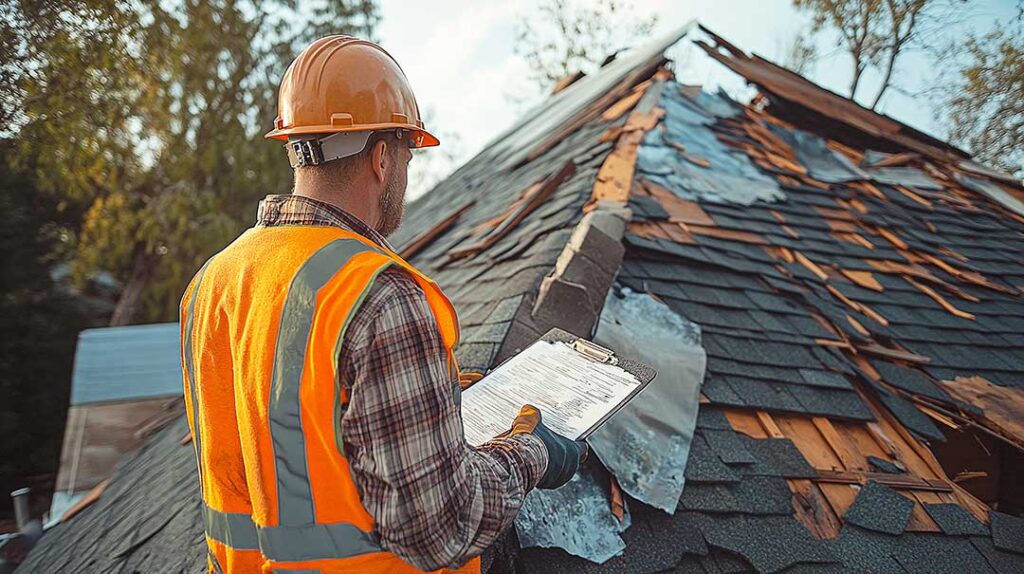
Roof damage does not stop during a pandemic, severe storm, family illness, or other community emergency. The safest response is to separate urgent damage control from work that can wait, reduce unnecessary contact, and avoid creating new hazards while conditions are unsettled.
Which roof problems require immediate attention?
A roof repair is urgent when delay could cause injury, major water intrusion, structural damage, or loss of essential living space. Active leaks during rain or melting snow deserve prompt attention, especially if water is reaching ceilings, electrical fixtures, insulation, or heating equipment.
Other urgent conditions include:
- A large section of shingles, flashing, or membrane has blown away
- A tree limb or other object has struck the roof
- The roof deck appears soft, sagging, or visibly displaced
- Water is entering near a chimney, vent, skylight, or roof-wall connection
- Snow or ice is creating a dangerous load or falling hazard
- A ceiling is bulging from trapped water
- Wind has exposed underlayment or roof sheathing
A few missing shingles, minor granule loss, or an old stain that is completely dry may not require immediate work. However, the source of a leak can be difficult to identify from indoors, so worsening conditions should not be ignored.
Do not climb onto a wet, icy, snow-covered, or visibly damaged roof. During a crisis, delaying a nonessential repair is usually safer than attempting an unsafe inspection.
What should a homeowner do first?
Start by protecting people and limiting interior damage. Move furniture, electronics, and stored belongings away from the leak. Place containers under drips, but do not stand beneath a sagging ceiling or handle wet electrical equipment.
If water is near a light fixture, outlet, appliance, or wiring, shut off power to the affected area only if the electrical panel can be reached safely from a dry location. Do not enter standing water to reach a panel.
From the ground, take photographs of visible damage and note:
- When the problem began
- Whether rain, snow, ice, or wind was involved
- Which rooms are affected
- Whether the leak changes during precipitation
- Any temporary steps already taken
These details help distinguish emergency stabilization from a later permanent repair. They can also be useful for insurance records.
Can roof repairs be handled with less in-person contact?
Often, the initial assessment can be organized with limited contact. Clear photographs, short videos, and a written description may show enough to determine whether the problem appears urgent. Images should include both close views of damage and wider views showing its location on the roof.
A safer communication plan may include:
- Phone or video discussions instead of an indoor meeting
- A written description of the proposed temporary repair
- Agreement about arrival times and access areas
- Keeping doors and windows closed during exterior work
- Remaining in a separate part of the home while workers are present
- Electronic delivery of documents when possible
- Outdoor discussion at a distance if an in-person conversation is necessary
Remote communication cannot replace an inspection where structural damage, hidden water entry, or a fall hazard is possible. It is mainly a way to reduce exposure while deciding what level of inspection is justified.
How can residents reduce COVID-19 or respiratory-virus risks?
Roof work is mostly outdoors, but workers may still need to enter an attic, upper floor, garage, or other enclosed area. Respiratory illnesses can spread more easily in indoor spaces with poor ventilation and close contact.
Before anyone enters the home, disclose if a resident or worker has symptoms, has recently tested positive, or belongs to a household with an elevated risk of severe illness. A person who is actively sick should not supervise work in person.
Practical precautions include:
- Postponing nonurgent indoor work until illness has improved
- Using outdoor access whenever possible
- Improving ventilation only when weather and security allow
- Avoiding shared food, drinks, tools, and personal items
- Limiting the number of people in enclosed spaces
- Cleaning frequently touched surfaces after work
- Following current public-health guidance for staying home and masking when illness is present
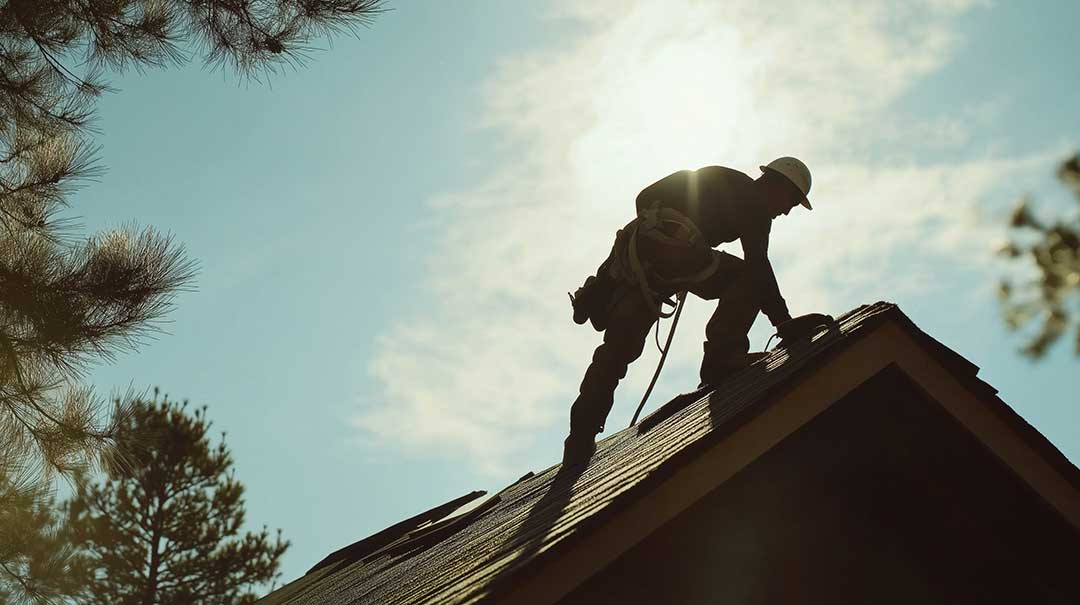
Masks may be especially reasonable during attic inspections or other close indoor tasks. They are not a substitute for safe fall protection, proper ventilation, or keeping sick individuals away from the work area.
What changes during winter in Ithaca?
Cold weather adds separate risks that should not be confused with infection-control measures. Snow, freezing rain, ice dams, shortened daylight, and freeze-thaw cycles can make roof access dangerous and can complicate temporary repairs.
In this climate, a temporary measure may need to remain secure through several weather changes. A tarp that is loosely placed, nailed through a vulnerable roof area, or installed over ice may fail or create additional openings. Snow should not be shoveled from a roof by an untrained homeowner, particularly where the roof is steep, high, or difficult to access.
Ice dams can force water beneath shingles and into attic spaces. Removing visible ice from the ground does not necessarily solve the underlying problem. Indoor warning signs include damp insulation, peeling paint, musty odors, and repeated staining along exterior walls or ceilings.
If a winter leak is active, focus first on collecting water and protecting the interior. Roof access should wait for conditions that allow safe work.
How should a temporary repair be evaluated?
A temporary repair is meant to control damage until permanent work can be completed. It should not be treated as proof that the roof is fixed.
Ask what area was stabilized, what materials were used, and what conditions could cause the temporary measure to fail. Keep photographs and written records of the repair date. Check the attic and affected rooms after the next significant rain or thaw, but do not climb onto the roof to inspect it.
Temporary repairs need closer attention if:
- The leak returns
- Water appears in a new location
- The covering becomes loose or torn
- Wind exposes additional roofing materials
- Ceiling damage spreads
- The attic develops damp insulation or visible mold growth
If water has entered insulation, drywall, or framing, drying the area promptly can help limit secondary damage. Porous materials that remain wet may require removal, particularly when contamination or mold is a concern.
What if a household cannot proceed with a full repair?
A crisis may affect income, transportation, caregiving, material availability, or access to temporary housing. In that situation, prioritize the work in this order:
1. Protect people from collapse, falling materials, electrical hazards, and unsafe ceilings.
2. Stop or redirect active water entry.
3. Prevent further exposure of the roof deck and interior.
4. Dry affected spaces and document damage.
5. Plan permanent repairs when conditions and resources allow.
Insurance policies often distinguish between sudden storm damage, long-term deterioration, maintenance issues, and damage caused by inadequate temporary protection. Policy language varies, so photographs, dates, receipts, and notes can be valuable. Do not discard damaged materials before documenting them unless they create an immediate health or safety hazard.
The central principle is simple: stabilize what threatens the home, avoid unnecessary exposure, and postpone hazardous work until it can be completed safely. During a public-health emergency or another crisis, a careful temporary response is often more responsible than rushing into a permanent roof repair.
