
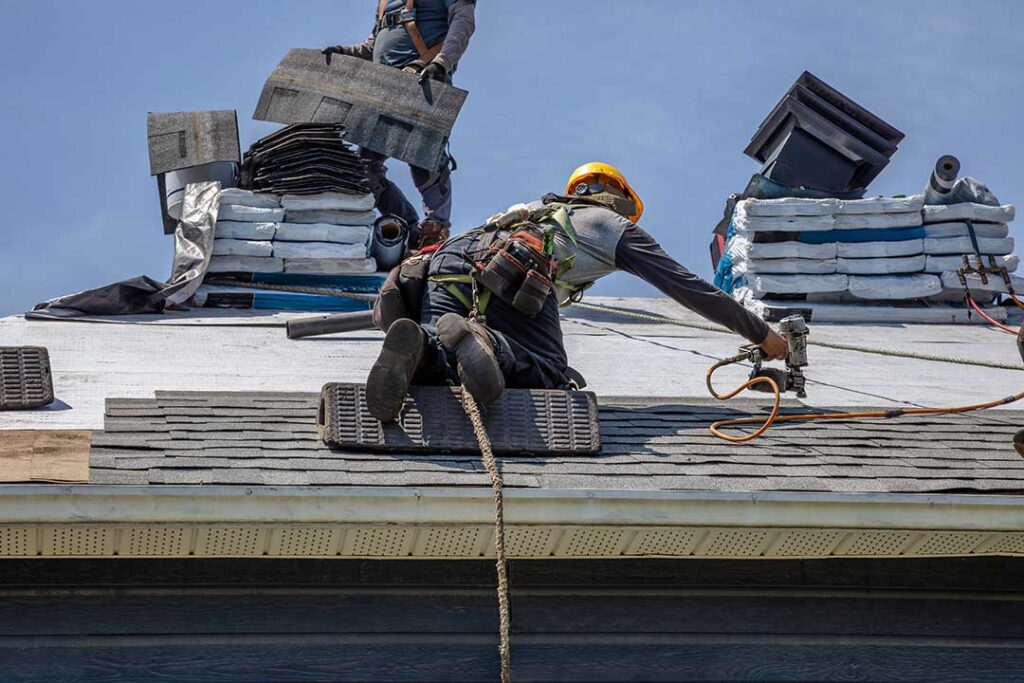
A roof does more than keep rain and snow out. When roofing materials, flashing, ventilation, or underlayment fail, moisture can enter the attic and concealed parts of the home. That moisture may support mold growth and increase conditions associated with indoor allergens.
For households in Ithaca, NY, replacing an extensively worn roof can be one part of a broader moisture-control strategy. It is not a complete solution for every allergy problem, but it can reduce a significant source of dampness when the roof is contributing to indoor air-quality concerns.
How can a new roof reduce indoor allergens?
A properly installed roof helps prevent water from entering the attic, insulation, ceilings, and exterior walls. By limiting moisture, it reduces the conditions that allow mold and mildew to grow.
Indoor allergens can include:
- Mold spores
- Dust mites
- Pollen brought indoors
- Pet dander
- Pest-related particles
- Dust and fibers from damp or deteriorating materials
A new roof primarily addresses moisture-related allergens, especially mold. It does not remove pollen, pet dander, or dust that may already be circulating through the home.
The benefit is greatest when the old roof has active leaks, repeated ice-related damage, deteriorated flashing, or areas where water has been entering unnoticed.
Why roof leaks can affect indoor air quality
A small roof leak may not produce an obvious ceiling stain. Water can travel along rafters, roof decking, insulation, wiring, or wall framing before appearing inside the living space. In the meantime, materials may remain damp for extended periods.
Damp wood, paper-faced drywall, insulation, and other building materials can support mold growth. Mold may release spores into the air, and those particles can move through open spaces, return-air pathways, attic access points, or forced-air systems.
Mold exposure may cause stuffy noses, coughing, irritated eyes, wheezing, or other respiratory symptoms in sensitive individuals. People with asthma, allergies, chronic lung conditions, or weakened immune systems may be more affected by damp indoor environments.
The roof itself does not create allergens simply because it is old. The concern is whether age has led to openings, trapped moisture, poor drainage, or damage to the materials beneath the visible shingles.
What roof problems are most likely to contribute to allergens?
Several roofing conditions can allow moisture to reach the interior:
Missing, cracked, or deteriorated shingles
A roof covering that has lost its protective surface may allow rain and melting snow to reach underlayment or roof decking. Repeated exposure can eventually create pathways into the attic.
Damaged flashing
Flashing directs water around chimneys, wall intersections, skylights, valleys, and roof penetrations. If it pulls away, corrodes, or was poorly installed, water may enter in concentrated areas.
Blocked or poorly functioning drainage
Leaves, ice, and debris can interfere with drainage near valleys, eaves, or roof edges. Water that remains against roofing materials for long periods has more opportunity to enter vulnerable areas.
Inadequate attic ventilation
Ventilation does not replace a watertight roof, but it helps manage heat and moisture in the attic. Without a balanced intake and exhaust system, condensation can form on cold roof surfaces during colder weather.
Damaged underlayment or roof decking
The visible roof covering may appear acceptable while the layers below have deteriorated. A roof replacement may reveal wet, weakened, or mold-affected materials that need to be addressed before the new roof is installed.
Does replacing the roof remove existing mold?
No. A new roof can stop a source of moisture, but it does not automatically remove mold already present in an attic, wall, ceiling, or insulation.
Before or during roof replacement, it is useful to determine whether there are signs of previous water intrusion, such as:
- Musty odors
- Dark staining on wood or drywall
- Damp insulation
- Peeling or bubbling paint
- Soft roof decking
- Repeated ceiling stains
- Condensation or frost in the attic
- Visible fungal growth
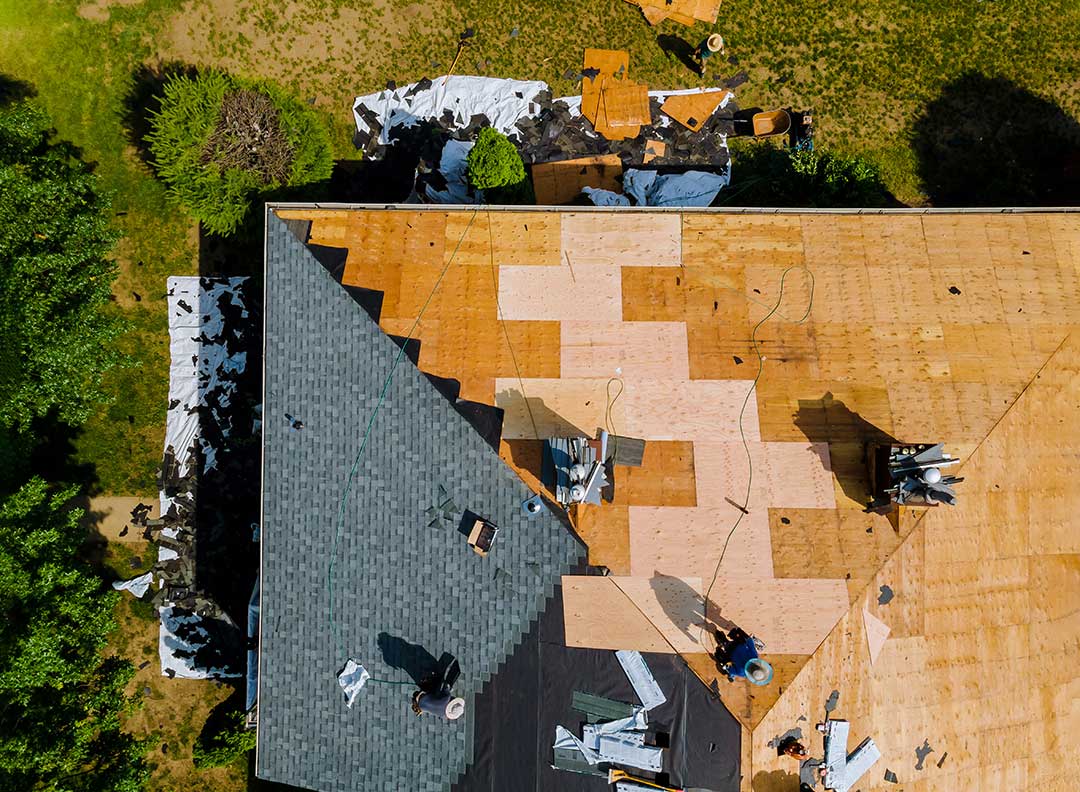
Any wet or mold-affected materials may require separate cleaning, drying, containment, or removal. Simply covering the problem with new roofing materials can leave the indoor source unchanged.
If a leak has affected a large area, if mold is widespread, or if occupants have significant respiratory symptoms, specialized assessment may be necessary. Individuals with asthma or immune-system concerns should avoid entering visibly moldy or heavily damp areas without appropriate precautions.
How do Ithaca winters and seasonal weather affect the issue?
The local climate includes cold winters, snow, freeze-thaw cycles, wind-driven rain, and humid periods during warmer months. These conditions place repeated stress on roofing systems and can expose weak points over time.
Snow and ice can conceal roof damage, while repeated freezing and thawing may enlarge small cracks or openings. Ice buildup near roof edges can also cause water to collect where drainage is restricted. During spring and summer, heavy rainfall and humidity may reveal problems that were not obvious during winter.
Older homes may also have a mix of roofing materials, additions, enclosed porches, or attic configurations that make water movement difficult to trace. In these buildings, a small roof defect can contribute to moisture in an unexpected location.
Can a new roof reduce dust mites and other allergens?
Indirectly, it may help. Dust mites thrive in humid indoor conditions, although they are more commonly associated with bedding, upholstered furniture, carpets, and other household materials than with roofing defects.
If a roof leak contributes to elevated indoor humidity, correcting the leak can help create a drier environment. However, humidity must also be managed through ventilation, heating, air conditioning, or dehumidification. A roof replacement alone will not control dust mites throughout the home.
A useful indoor humidity target is generally below 50 percent when practical. A simple hygrometer can help identify whether moisture remains a concern after roof work is completed.
What should be checked after a roof replacement?
A roof replacement should be followed by an indoor inspection if the old roof leaked or if occupants noticed allergy-like symptoms. Check the attic, upper ceilings, wall corners, and areas around roof penetrations.
Look for:
- Wet or compressed insulation
- Staining that continues to spread
- Persistent musty smells
- Condensation on roof sheathing
- Damp framing
- New bubbling, peeling, or discoloration indoors
Ventilation should also be evaluated. Attic intake and exhaust openings need to work together rather than allowing warm, moist air to remain trapped. Bathroom and kitchen exhaust fans should discharge outdoors, not into the attic.
Air filters, ductwork, basements, crawl spaces, and plumbing areas deserve attention as well. If symptoms continue after a roof leak is corrected, the remaining source may be elsewhere in the building.
What a new roof cannot solve
A new roof does not eliminate all indoor allergens or guarantee that allergy symptoms will disappear. Common sources may include carpeting, upholstered furniture, pets, pests, stored materials, forced-air systems, damp basements, and outdoor air entering through windows or doors.
It also cannot correct indoor moisture caused by plumbing leaks, foundation seepage, poor bathroom ventilation, or condensation. Indoor air quality usually improves through several coordinated measures rather than one construction project.
The most practical way to view a new roof is as a moisture-control improvement. When an aging or damaged roof is allowing water into the structure, replacing it can help prevent new dampness, protect insulation and framing, and reduce the likelihood that roof-related mold will add to the household’s allergen burden.
