

Roof repairs often look simpler from the ground than they are up close. A loose shingle, small ceiling stain, or patch of missing flashing may point to a larger moisture problem. In Ithaca, NY, seasonal weather makes careful diagnosis especially important: roofs must handle freeze-thaw cycles, heavy rain, wet snow, wind, ice buildup, and long periods of dampness.
The most common repair mistakes are not always dramatic. Many begin with using the wrong materials, fixing only the visible symptom, or delaying action until water has already reached the interior.
What is the most common roof repair mistake?
The most common mistake is repairing the visible damage without finding the source of the water. Roof leaks rarely appear directly below the point where water enters.
Water can travel along roof decking, rafters, insulation, chimney sides, plumbing vents, or underlayment before it reaches a ceiling or wall. A stain in an upstairs room may be connected to a roof penetration several feet away.
A proper inspection should consider:
- The roof area directly above the interior stain
- Nearby valleys, penetrations, and roof-to-wall transitions
- Damaged or missing shingles
- Flashing around chimneys, skylights, and vents
- Signs of exposed fasteners or deteriorated sealant
- Attic insulation, sheathing, and ventilation conditions
Painting over a ceiling stain or applying roofing cement around the most obvious gap may hide the symptom temporarily while the underlying damage continues.
Why is patching over old roofing material risky?
A patch can be appropriate for isolated damage, but layering new material over deteriorated roofing often creates a short-term fix with long-term complications. Old shingles may be brittle, curled, cracked, or no longer able to hold fasteners securely.
Covering damaged areas can also conceal:
- Rotting roof decking
- Wet insulation
- Mold or mildew caused by ongoing moisture
- Loose flashing
- Poorly installed previous repairs
- Multiple layers that add unnecessary weight
A repair should account for the condition of the surrounding roof, not just the single missing shingle. If the nearby materials are failing across a larger area, a small patch may not provide reliable protection.
What happens when the wrong roofing materials are used?
Roofing materials are designed to work as systems. Using an incompatible sealant, fastener, membrane, shingle, or flashing material can shorten the life of a repair.
Common examples include using interior caulk outdoors, installing nails that are too short, using fasteners that corrode easily, or applying a sealant that cannot tolerate repeated expansion and contraction. A material that appears flexible during mild weather may crack after repeated winter freezing.
Compatibility matters around:
- Asphalt shingles
- Metal flashing
- Rubber or plastic plumbing boots
- Low-slope roof sections
- Chimneys and masonry
- Skylight frames
- Ice-and-water protection membranes
Color matching is also not the same as material matching. A replacement shingle may look similar but have a different profile, exposure, or fastening requirement.
Is using too much roofing cement a repair mistake?
Yes. Roofing cement can be useful in limited applications, but excessive use is not a substitute for properly installed flashing or replacement materials.
Large blobs of cement may:
- Trap moisture against roofing materials
- Crack as temperatures change
- Make future repairs harder
- Hide gaps that should be rebuilt
- Create an uneven surface where water collects
Sealant is generally most effective when used to supplement a correctly installed component, not when it is used to form the entire repair. For example, a failed flashing joint may require replacement or repositioning rather than a thick layer of sealant applied over the outside.
Why should roof vents and attic ventilation not be ignored?
A roof repair can fail if attic moisture and ventilation problems are left unaddressed. Warm indoor air can enter the attic through gaps around light fixtures, plumbing penetrations, attic hatches, and ductwork. When that air meets cold roof surfaces, condensation may form.
This moisture can contribute to:
- Damp insulation
- Mold or mildew
- Wood deterioration
- Frost buildup in cold weather
- Peeling paint and ceiling damage
- Premature shingle aging
Adding more vents without considering the existing airflow may not solve the problem. Intake and exhaust ventilation need to work together, and vents should not be blocked by insulation. Bathroom and kitchen exhaust fans should also discharge outdoors rather than into the attic.
What mistakes are common after heavy snow or ice?
Removing snow or ice aggressively can damage shingles, flashing, gutters, and roof edges. Metal tools, sharp shovels, and chopping at ice can break protective roofing surfaces or loosen materials.
Another mistake is assuming that every roof needs all snow removed. The need depends on roof design, snow depth, structural condition, drainage, and whether ice dams are causing water intrusion.
Ice dams form when heat escapes into a cold attic or roof area, melting snow above and allowing water to refreeze near colder eaves. Scraping the visible ice may not address the cause. Improving air sealing and insulation, correcting ventilation problems, and managing snow safely are usually more durable approaches.
Snow and ice also create fall hazards. A roof that appears stable may be slippery, and falling ice can injure people or damage property below.
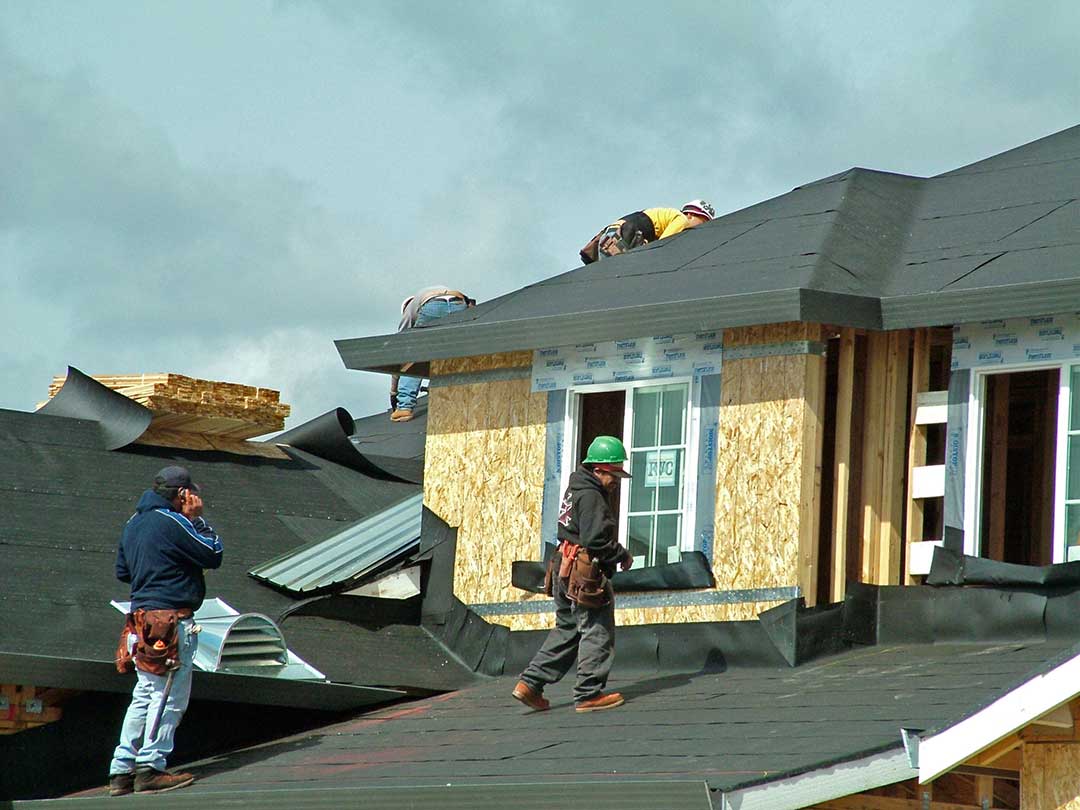
Why is walking on the roof a bad idea?
Unnecessary foot traffic can loosen granules, crack brittle shingles, damage ridge caps, and bend flashing. Roof surfaces may also be slippery from dew, frost, algae, or recent rain.
Walking on a roof is particularly risky when:
- The slope is steep
- Shingles are wet or cold
- The roof has moss or algae growth
- The structure is old or visibly sagging
- There are fragile skylights nearby
- Snow or ice is present
Ground-level inspection with binoculars can reveal missing shingles, dark patches, lifted edges, and damaged flashing without creating additional damage.
What should homeowners avoid doing after discovering a leak?
Do not assume that a leak has stopped simply because the ceiling is dry. Intermittent leaks may occur only during wind-driven rain, melting snow, or specific drainage conditions.
After noticing water intrusion:
- Move furniture and belongings away from the area.
- Place a container under active dripping.
- Photograph stains, damaged materials, and visible exterior problems.
- Check the attic only if it can be done safely from a stable surface.
- Avoid electrical fixtures that are wet or surrounded by water damage.
- Do not climb onto the roof during rain, snow, wind, or icy conditions.
Water near electrical wiring presents a separate hazard. Sagging ceilings should also be treated seriously because saturated drywall can become heavy and unstable.
How can small repair mistakes become expensive?
Moisture damage tends to spread quietly. A minor exterior defect may eventually affect roof decking, insulation, rafters, wall framing, trim, flooring, or electrical components.
Delaying a repair is especially risky when there is:
- Repeated staining after storms
- A musty odor in the attic
- Soft or sagging roof decking
- Missing shingles over a large area
- Rusted or separated flashing
- Water entering around a chimney or skylight
- Ice damming that returns each winter
The goal of a sound repair is not simply to make the roof look intact. It is to restore drainage, weather resistance, secure attachment, and proper water-shedding details. In a region with wet seasons and frequent temperature changes, careful diagnosis and compatible materials matter as much as the patch itself.
