
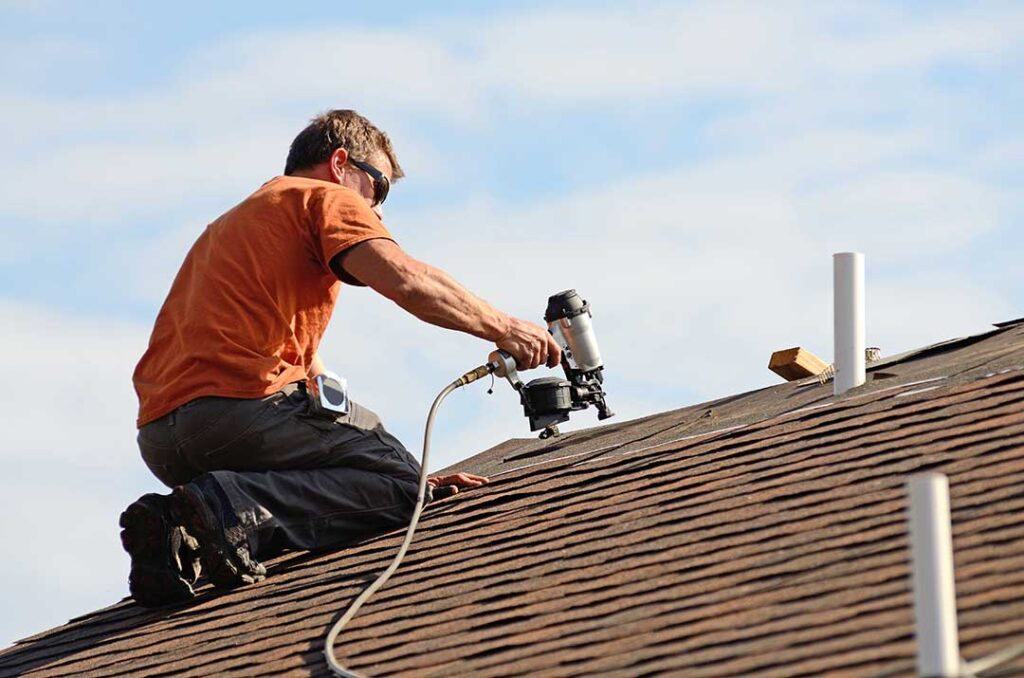
Renovation work can protect and improve a home, but it can also expose the roof to damage. Open walls, temporary penetrations, falling materials, foot traffic, dust, and poorly placed coverings may lead to leaks that are not noticed until the next heavy rain or freeze.
In Ithaca, NY, changing weather makes roof protection especially important. Rain, snow, ice, wind, and repeated freeze-thaw cycles can affect temporary coverings and unfinished roof areas. A careful plan before work begins can prevent many avoidable problems.
Which renovation activities create the greatest risk to a roof?
Projects that alter the roofline, exterior walls, attic, or upper floors deserve the closest attention. The highest-risk activities commonly include:
- Roofing, siding, dormer, and skylight work
- Solar, satellite, antenna, or ventilation installations
- Chimney repairs and masonry work
- Additions, porch construction, and second-story remodeling
- Window replacement near roof edges
- Tree removal or trimming near the house
- Exterior painting, pressure washing, and gutter work
- Interior renovations that require new exhaust vents or plumbing penetrations
Even a project focused indoors can affect the roof. New bathrooms, kitchens, laundry areas, or heating equipment may require vents, pipes, or electrical wiring to pass through the roof. Each new opening creates a potential leak point if it is not properly flashed and sealed.
How should the roof be inspected before renovation begins?
The roof should be checked before materials, ladders, scaffolding, or debris arrive. The purpose is to document existing conditions and identify weak areas that may fail under construction activity.
Look for:
- Missing, cracked, curled, or loose shingles
- Soft areas in the roof deck
- Damaged flashing around chimneys, vents, skylights, and wall intersections
- Sagging gutters or loose downspouts
- Moss, heavy debris, or blocked drainage paths
- Water stains in the attic or on upper-floor ceilings
- Exposed fasteners, deteriorated sealant, or lifted metal edges
Photographs are useful, especially around roof penetrations and areas where equipment will be placed. Written notes can also show whether a leak or defect existed before work started.
A roof that is already near the end of its service life may not tolerate repeated foot traffic or construction vibration well. That does not automatically mean it must be replaced before renovation, but it does mean the work sequence and protection plan should be adjusted.
What is the safest way to cover an unfinished roof area?
Temporary protection should shed water rather than simply trap it. Heavy-duty tarps or purpose-made temporary roofing systems need to be secured over sound areas of the roof, with enough slope for water to drain away.
A temporary covering should:
- Extend beyond the exposed section far enough to direct water away
- Be fastened without creating unnecessary holes
- Resist wind uplift at edges and corners
- Avoid sharp folds that collect water
- Keep drainage paths, gutters, and downspouts open
- Be checked after strong wind, heavy rain, or wet snow
Plastic sheeting placed loosely over an opening can fail quickly. Water may collect in the center, run behind the covering, or enter through gaps at the edges. Tarps should not be draped over active chimneys, furnace vents, plumbing vents, or electrical equipment in a way that blocks safe operation.
If an opening will remain exposed overnight, the weather forecast should be considered before work begins. In this region, a dry morning does not guarantee dry conditions later in the day, particularly during spring and fall.
How can workers prevent damage from ladders, tools, and foot traffic?
Roof surfaces are not designed for unlimited construction traffic. Shingles can crack, granules can be worn away, and flashing can bend under concentrated pressure. Damage is more likely when shingles are cold, wet, brittle, or covered with frost.
Use designated walk paths whenever possible. Ladders should rest on stable surfaces and should not be placed directly against fragile gutters, skylights, plastic vents, or unsupported roof edges. Planks, walk boards, or protective pads may help distribute weight, but they must be secured so they do not slide or scrape the roof.
Tools and materials should never be dragged across shingles. Small objects such as screws, nails, wire pieces, and broken tile fragments can puncture membranes or become trapped in gutters. A ground-level staging area reduces the number of trips across the roof and limits the chance of dropped materials.
Roof access should also be restricted during icy or wet conditions. Slips can injure workers and damage the roof surface at the same time.
What should be done about construction debris?
Debris should be collected frequently rather than left on the roof until the end of the day. Nails and sharp scraps can puncture roofing materials or fall into gutters, where they may obstruct water flow and cause rust or staining.
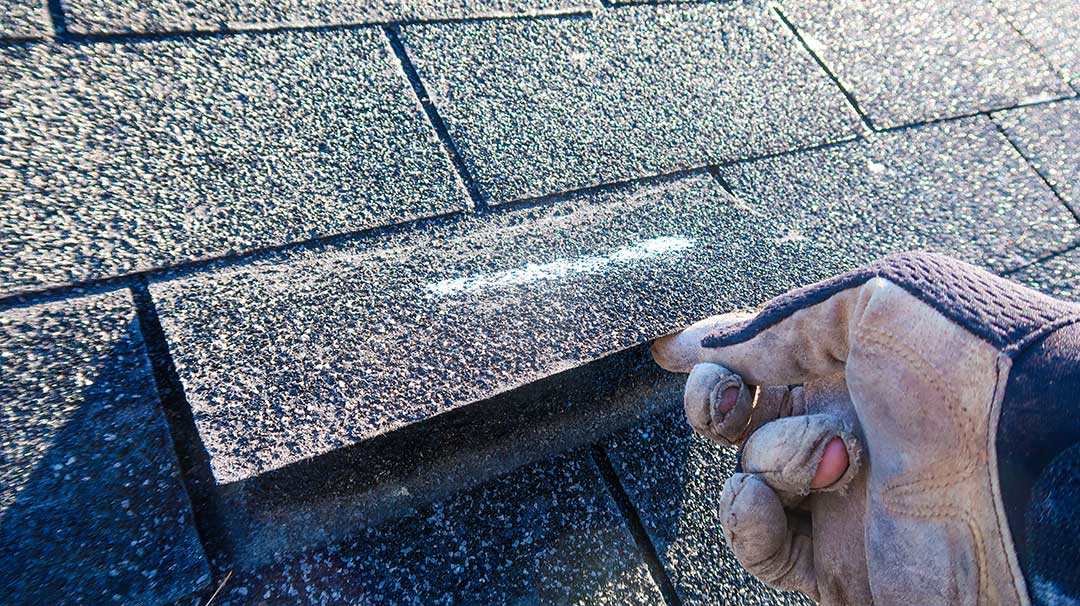
During demolition, protect roof areas below the work zone from falling siding, masonry, lumber, and window components. Plywood, padded coverings, or properly supported debris chutes may be appropriate depending on the project. Materials should not be piled on a roof unless the structure and roofing system are known to support the added weight.
After cleanup, inspect:
- Gutters and downspouts
- Roof valleys
- Areas below scaffolding or ladders
- Flashing around penetrations
- Shingles near demolition zones
- Attic spaces beneath the work area
A magnet can help locate loose steel nails around ground-level work areas, but it does not replace a visual inspection of the roof and drainage system.
How should new roof penetrations be handled?
Every new vent, pipe, skylight, conduit, or mounting point should be planned before the roof is opened. The location matters because valleys, roof edges, ridge areas, and places near existing penetrations may be more difficult to seal reliably.
Proper installation generally requires compatible flashing, appropriate fasteners, and a weatherproof transition between the new component and the roofing material. Sealant alone is not a substitute for correctly installed flashing. Sealants can shrink, crack, or lose adhesion as temperatures change.
Interior work should not conceal a roof penetration before it has been tested. After installation, check the area during or after rainfall when possible. Attic inspections can reveal damp sheathing, wet insulation, staining, or daylight entering through an unintended gap.
How can renovations protect a roof during winter?
Cold-weather work requires extra caution because snow and ice add weight, hide damage, and make surfaces slippery. Snow should not be shoveled or scraped aggressively across shingles, membranes, or metal flashing. Sharp tools may cause damage that is difficult to see from the ground.
Before a winter renovation:
- Clear roof drainage paths where it can be done safely
- Keep temporary coverings tight and free of pooled water
- Avoid storing heavy materials on snow-covered roof areas
- Inspect after freeze-thaw cycles
- Watch for ice forming around temporary edges and penetrations
- Keep attic ventilation pathways clear during interior work
Heat from temporary equipment can also affect roofing materials, insulation, and ventilation. Combustion equipment must be used only with adequate ventilation and according to safety requirements.
What should happen after the renovation is complete?
The roof should receive a final inspection after ladders, scaffolding, coverings, and debris are removed. Check for disturbed shingles, exposed fasteners, bent flashing, blocked gutters, damaged vents, and punctures in membranes or underlayment.
Look inside the attic and upper floors as well. Some leaks travel along rafters or roof decking before appearing on a ceiling, so the visible stain may not be directly below the damaged area.
Keep renovation photographs, weatherproofing details, and notes about any temporary openings. This record can help distinguish pre-existing conditions from damage caused during construction and makes future maintenance easier.
Roof protection is most effective when it is planned before demolition starts, updated as the work changes, and checked after every significant weather event. A few minutes spent securing coverings, controlling access, and clearing debris can prevent a renovation project from creating a separate roof repair problem.
