
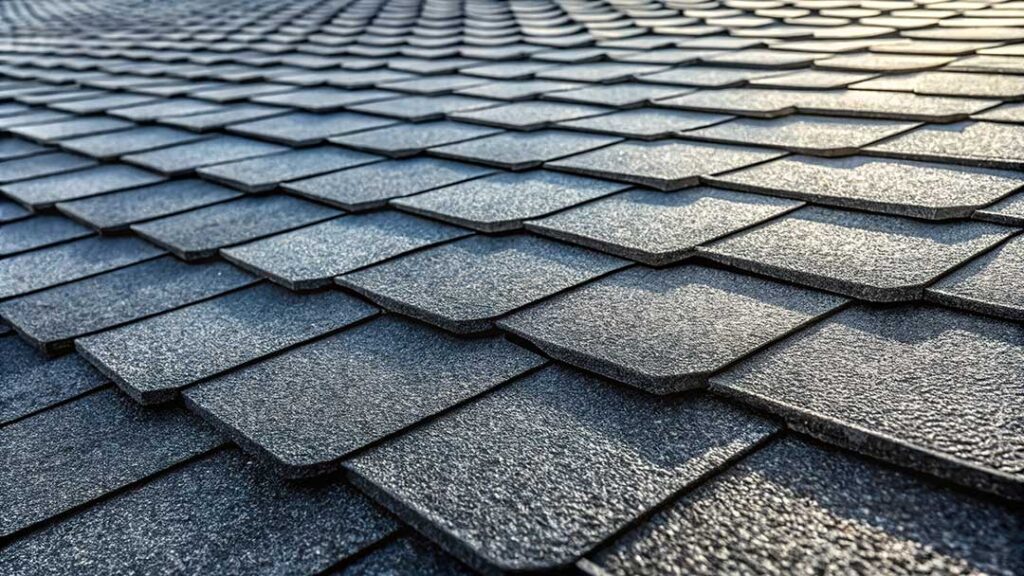
Why sun exposure matters to a roof
In Ithaca, NY, sunlight affects roofing materials through heat, ultraviolet radiation, and repeated expansion and contraction. The impact is gradual, but years of exposure can change the surface of shingles, weaken surrounding materials, and reveal problems that may otherwise go unnoticed.
Sun exposure does not damage every roof at the same rate. Roof direction, slope, nearby trees, ventilation, material color, and seasonal weather all influence how much solar stress a roof receives. A roof facing strong afternoon sunlight may age differently from one shaded by mature trees for much of the day.
The sun is only one part of the picture. Freeze-thaw cycles, snow, wind, moisture, algae, and falling branches can interact with sun-related aging. In the local climate, a roof may move from intense summer heat to freezing winter temperatures within a relatively short period.
How ultraviolet light affects shingles
Ultraviolet, or UV, radiation gradually breaks down exposed roofing materials. Asphalt shingles contain protective granules and asphalt coatings, but prolonged sunlight can cause the surface to dry, fade, and lose some flexibility.
Common signs of UV-related aging include:
- Fading or uneven color
- Granules collecting in gutters or at the base of downspouts
- Exposed fiberglass mat or dark asphalt areas
- Curling, cracking, or brittle shingle edges
- Small surface blisters or rough patches
Some color change is normal and does not automatically mean a roof is failing. More meaningful warning signs are widespread granule loss, cracking, exposed reinforcement, or shingles that no longer lie flat.
South- and west-facing roof sections often receive more direct sunlight than north-facing sections. A roof with multiple slopes may therefore show uneven aging. One side can appear relatively sound while another has noticeably faded or brittle shingles.
Does heat damage a roof even when there is no visible leak?
Yes. Heat can age roofing materials before water enters the building. Repeated heating causes roofing components to expand, while nighttime cooling causes them to contract. Over many years, this movement can place stress on shingle seals, flashing, underlayment, pipe boots, and other joints.
Dark roofing surfaces can become much hotter than the surrounding air during sunny weather. Heat may also build up beneath the roof covering if attic ventilation is limited. High attic temperatures do not usually destroy a roof by themselves, but they can accelerate aging when combined with moisture, poor airflow, or already-worn materials.
A roof may have heat-related deterioration without leaking at the time of inspection. Small cracks, weakened seals, and brittle flashing can become active leaks later, especially after heavy rain, wind, or snowmelt.
What role does attic ventilation play?
Proper attic ventilation helps release heat and moisture from the roof assembly. It does not keep the roof cold at all times, but it can reduce prolonged heat buildup and help limit condensation during colder months.
Ventilation works best when intake and exhaust openings are balanced and unobstructed. Problems can occur when insulation blocks intake paths, exhaust openings are covered, or indoor moisture enters the attic through gaps around plumbing, lighting, chimneys, or attic access panels.
A hot attic is not always proof of a ventilation defect. Attic temperature depends on roof color, insulation levels, air sealing, roof design, and weather. Signs that deserve closer attention include:
- Damp insulation or water staining
- Frost on roof framing during cold weather
- Persistent musty odors
- Mold-like growth on wood surfaces
- Warped roof sheathing
- Excessive heat in the upper living spaces
Ventilation changes should be evaluated as part of the entire roof and attic system. Adding an exhaust vent without adequate intake airflow may not solve the underlying problem.
How does sunlight affect different roofing materials?
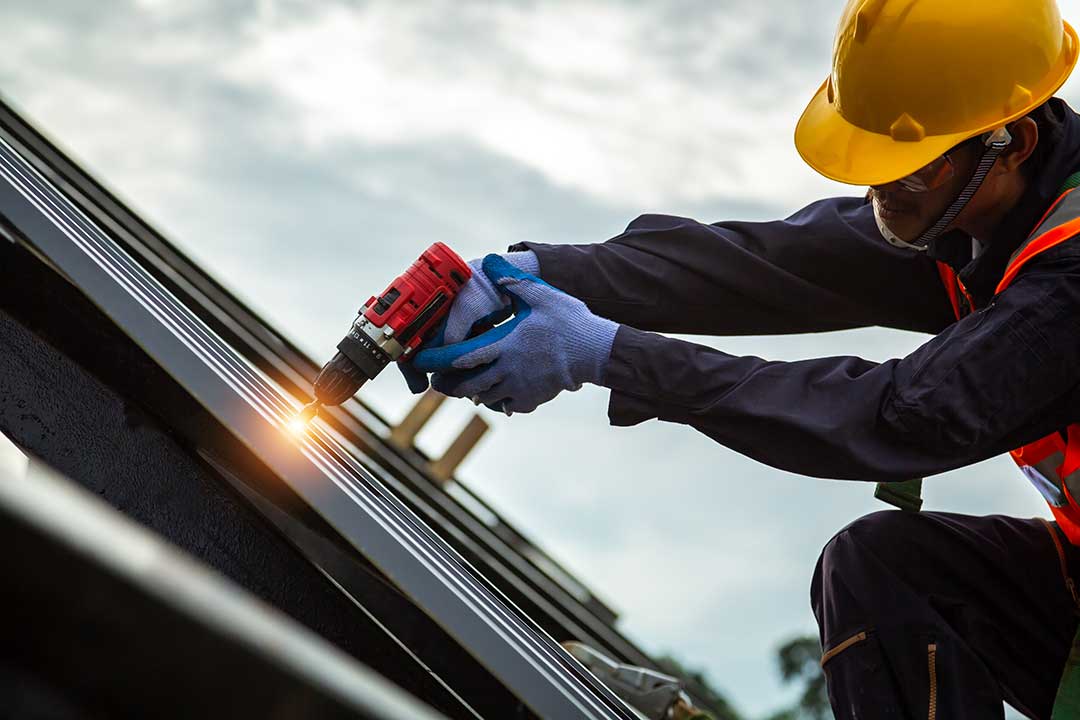
Roofing materials respond differently to sun exposure.
Asphalt shingles gradually lose flexibility and surface granules. Lighter-colored shingles generally absorb less solar heat than darker ones, although color alone does not determine service life.
Wood shakes and shingles can dry, split, and weather unevenly when exposed to direct sunlight. Areas that alternate between strong sun and persistent dampness may deteriorate faster than evenly exposed sections.
Metal roofing can experience thermal movement as panels heat and cool. Proper fastening and detailing allow for this movement. Surface finishes may fade over time, but fading does not necessarily mean the metal has lost its protective function.
Membrane roofing on low-slope sections can be affected by UV exposure, temperature changes, and standing water. Seams, edges, penetrations, and areas around rooftop equipment often require particular attention.
Roof flashing and sealants may age faster than the main roof covering. A roof can have serviceable shingles but deteriorated flashing around chimneys, skylights, walls, and vent pipes.
Can trees protect a roof from sunlight?
Trees can reduce direct solar heating, but shade is not automatically beneficial. Branches may scrape shingles, leaves can block drainage, and dense shade can slow drying after rain or snowmelt. Damp surfaces may encourage algae or moss growth, especially on roof sections with limited airflow.
A balanced approach is generally more useful than complete shade. Branches should not rest on the roof or rub against roofing materials in windy conditions. Roof areas beneath heavy tree cover deserve attention for both moisture retention and falling debris.
Shade can also make roof aging harder to judge. A protected section may retain its color while a sun-exposed section loses granules or becomes brittle. Comparing roof slopes without considering their exposure can lead to inaccurate conclusions about overall condition.
How can residents recognize sun-related roof aging?
A visual check from the ground can identify several clues, although it cannot reveal every problem. Look for uneven discoloration, missing granules, curled corners, cracked surfaces, exposed fasteners, and damaged flashing.
After a sunny season, it can also be useful to inspect the attic if safe access is available. Look for daylight entering where it should not, water stains, damp wood, or deteriorated insulation. A roof that looks acceptable from the street may still have problems at penetrations and edges.
Sun-related wear often becomes more visible after severe weather. Strong wind may lift shingles whose adhesive seals have weakened, while heavy rain can enter small openings around flashing. Snow and ice can then worsen existing weaknesses during winter.
Roof access should be avoided when surfaces are steep, wet, icy, or fragile. Walking on brittle shingles can cause additional damage and creates a fall hazard.
Does sun exposure mean a roof needs replacement?
Not necessarily. Sun exposure is one factor in roof condition, not a replacement trigger by itself. The more useful questions are how widespread the damage is, whether the roof still sheds water reliably, and whether important components remain sound.
Localized fading may be cosmetic. Widespread granule loss, recurring leaks, exposed underlayment, extensive cracking, or deteriorated flashing indicate a more serious maintenance concern. Age also matters, but a roof’s actual history of ventilation, storm damage, repairs, and exposure can be as significant as its installation date.
In Ithaca, seasonal inspection is especially useful because summer heat can expose material aging while autumn leaves, winter snow, and spring rain can test drainage and flashing. Observing the same roof over time helps distinguish ordinary weathering from a pattern that is accelerating.
A roof does not need to look new to be functional. The practical goal is to identify changes early, keep drainage paths clear, and understand how sunlight interacts with the rest of the roof system.
