
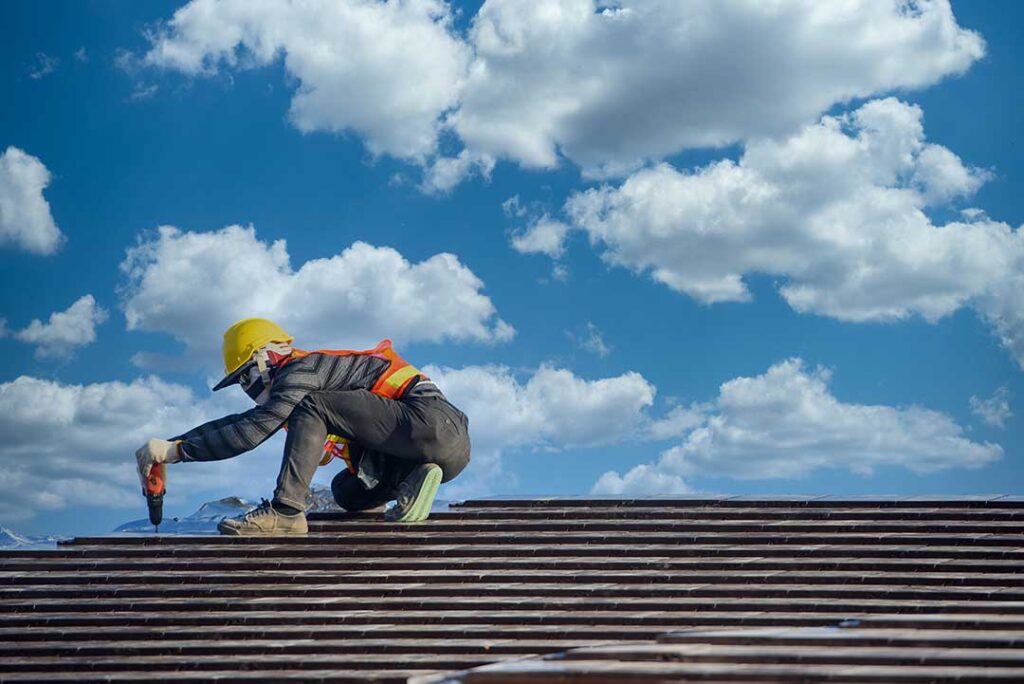
Roof pitch describes how steeply a roof rises compared with its horizontal span. It affects drainage, snow performance, attic space, maintenance access, material choices, and the overall shape of a home. For residents in Ithaca, NY, understanding pitch is especially useful because roofs must handle snow, freezing temperatures, rain, ice, and repeated seasonal changes.
What does roof pitch mean?
Roof pitch is commonly written as a ratio, such as 6:12. The first number shows how many inches the roof rises vertically for every 12 inches it travels horizontally.
For example:
- A 4:12 roof rises 4 inches for every 12 inches of horizontal distance.
- A 6:12 roof rises 6 inches for every 12 inches.
- A 12:12 roof rises 12 inches for every 12 inches, creating a 45-degree slope.
A lower number means a flatter roof. A higher number means a steeper roof. Roof pitch is sometimes confused with roof angle, but they are not exactly the same. Pitch is a ratio, while angle is measured in degrees.
A roof with a 6:12 pitch has an angle of about 26.5 degrees. Most residential roofs fall somewhere between low-slope designs and steep slopes, although architectural styles and additions can create several different pitches on the same house.
Why does roof pitch matter?
Roof pitch affects how quickly water, snow, leaves, and ice move off the roof. It also influences the roof’s appearance, structural design, usable attic space, and the difficulty of performing maintenance.
A steeper roof generally sheds rain and snow more readily than a low-slope roof. That does not mean a steep roof is immune to problems. Valleys, roof penetrations, gutters, flashing, and areas where different roof sections meet can still collect water or snow.
Pitch also affects the amount of roofing material required. A steep roof has more surface area than a low-slope roof covering the same floor plan. That can influence the weight of the roof system and the complexity of installation or repair work.
Which roof pitches work well in a snowy climate?
Moderate to steep pitches often provide better natural shedding of snow than shallow slopes. However, the ideal pitch depends on the entire roof assembly, including framing, ventilation, insulation, drainage, flashing, and the selected roof covering.
A steep roof can reduce the time snow remains on the surface, but it may also allow snow to slide suddenly. Snow guards or other design features may be appropriate above entryways, walkways, driveways, or lower roof sections.
A low-slope roof can support substantial snow loads if it is correctly designed and maintained. Its performance depends more heavily on structural capacity, drainage, membrane condition, and the prevention of blocked drains or interior ice buildup.
Snow should not be judged only by its depth. Wet snow weighs considerably more than light, dry snow. Uneven accumulation can also place extra stress on one portion of a roof, especially near valleys, roof transitions, dormers, and areas sheltered from wind.
How does pitch affect rain and ice problems?
Roof pitch helps determine how quickly water reaches the gutters and downspouts. If water moves slowly, small defects in shingles, flashing, or underlayment may have more opportunity to cause leaks.
Ice dams are not caused by roof pitch alone. They usually develop when heat escapes from the living space, warms the underside of the roof, melts snow above, and allows water to refreeze near colder eaves. Poor attic insulation, inadequate air sealing, limited ventilation, and uneven roof temperatures can all contribute.
A steeper pitch may reduce certain snow-retention problems, but it cannot correct heat loss or ventilation defects. Ice-dam prevention usually requires attention to the entire attic and roof system rather than simply changing the visible slope.
How can homeowners identify their roof pitch?
The safest approach is to measure pitch from an accessible area such as an attic, rather than climbing onto the roof. A level, tape measure, and basic geometry can provide a reasonable estimate.
Place a level horizontally so that one end touches a rafter or roof surface. Measure 12 inches along the level, then measure the vertical distance from that point down to the roof. If the vertical measurement is 6 inches, the roof is approximately 6:12.
Roof pitch may differ between the main roof, porch, garage, dormers, and later additions. A house should not be assigned one pitch based only on its front-facing section.
Exterior visual clues can help, but they are not precise. A roof may appear steep because of tall gables or decorative features even when its primary slope is moderate. Measurements are more dependable than photographs or visual comparisons.
Does roof pitch determine which materials can be used?
Roofing materials have minimum slope requirements. These requirements exist because water drains differently on shallow and steep surfaces.
Some shingle systems are suitable for common residential pitches, while very low-slope areas may require specialized underlayment or membrane systems. Metal roofing, synthetic materials, and other coverings can also have different installation requirements depending on the design and manufacturer specifications.
A roof transition is a common source of confusion. One section may have a steep slope while a small porch or addition has a shallow slope. The lower-slope section may need a different water-control approach even if the rest of the house uses conventional shingles.
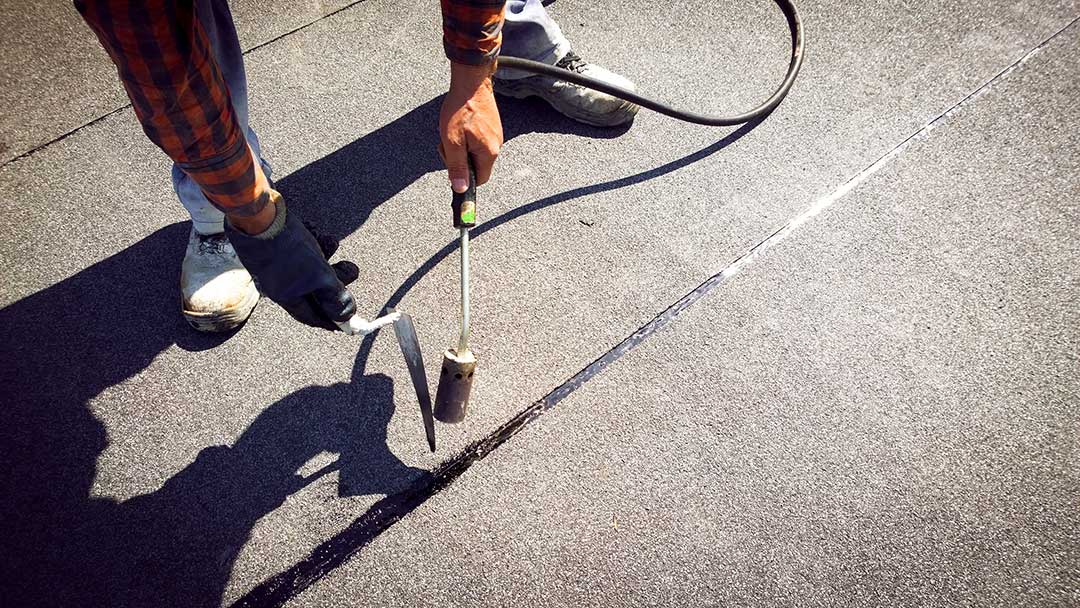
The visible covering is only one part of the system. Underlayment, flashing, ventilation, fasteners, and drainage details must be compatible with the pitch and the roof’s shape.
Does a steeper roof last longer?
Not necessarily. A steep roof may shed water, leaves, and snow effectively, but durability still depends on materials, installation quality, ventilation, flashing, exposure, and maintenance.
A shallow roof can perform well for many years when it has adequate drainage and a properly designed water-resistant assembly. Problems often arise when low-slope sections are treated like steep-slope roofs or when debris and snow block drainage paths.
Steep roofs also present greater fall hazards and can be more difficult to inspect safely. A roof that looks clean from the ground may still have damaged flashing, deteriorated sealants, loose components, or hidden moisture problems.
What pitch-related issues should residents watch for?
Several signs may indicate that roof pitch, drainage, or snow management deserves closer attention:
- Water staining on ceilings or upper walls after rain or thawing.
- Snow remaining in uneven bands across the roof.
- Ice buildup along eaves or behind gutters.
- Repeated leaks near valleys, dormers, chimneys, or roof-to-wall intersections.
- Sagging roof lines or doors that become difficult to operate after heavy snow.
- Gutters pulling away from the roof edge.
- Shingles or roofing materials that appear displaced after snow or wind.
- Persistent dampness, mold-like odors, or frost in the attic.
A small amount of visible snow is not automatically a structural concern. Warning signs become more significant when accumulation is heavy, uneven, accompanied by sagging, or followed by cracking sounds and interior movement.
Can roof pitch be changed?
Changing a roof’s pitch is a major structural project, not a routine roofing repair. It may require redesigning rafters or trusses, modifying walls, changing attic ventilation, relocating roof penetrations, and updating drainage details.
In many cases, better performance can be achieved without changing the pitch. Improvements may include correcting flashing, repairing valleys, improving attic air sealing, adding insulation where appropriate, replacing damaged underlayment, or addressing blocked drainage.
Any structural alteration requires careful evaluation because the roof transfers weight to the walls and foundation. Local building requirements may also apply, especially when the work changes the roofline, attic use, structural loads, or exterior appearance.
For homeowners, the practical lesson is simple: roof pitch is a key part of how a roof handles weather, but it is only one part of the system. Proper drainage, sound structure, controlled attic temperature, and well-maintained details all matter just as much.
