
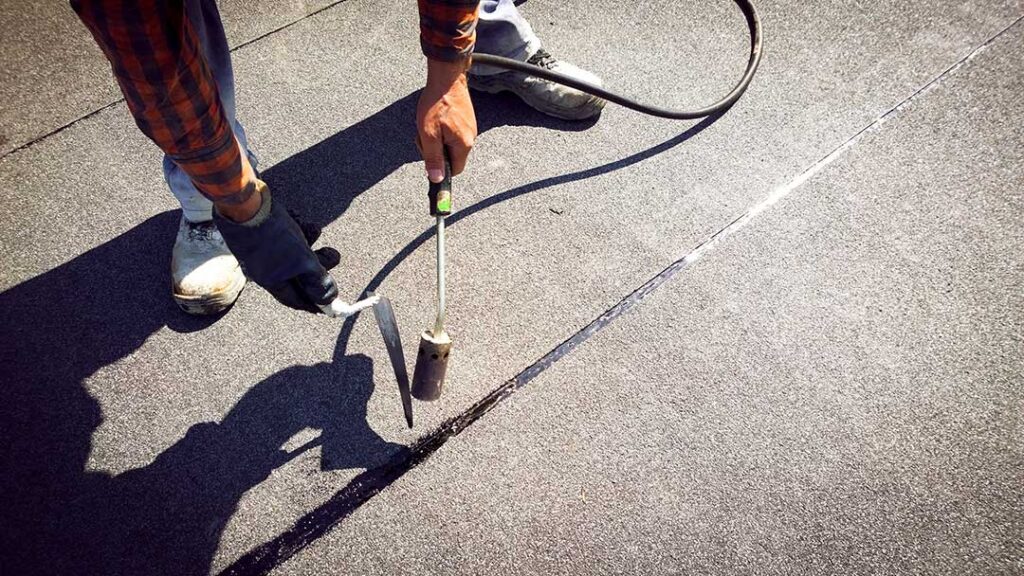
After a severe storm, roof damage is not always obvious from the ground. Missing shingles, lifted flashing, punctures, clogged drainage, and small leaks can worsen during the next rain, freeze, or heavy snow. A careful inspection helps identify problems early without creating new safety risks.
Is it safe to inspect a roof after a storm?
The safest first inspection is from the ground and from inside the home. Do not climb onto a wet, icy, steep, or visibly damaged roof. Wind can loosen roofing materials, and hidden structural damage may make walking surfaces unstable.
Stay away from areas with:
- Sagging rooflines or ceilings
- Downed electrical wires
- Standing water near electrical equipment
- Broken branches resting on the roof
- Large sections of missing roofing
- Active leaks near light fixtures or wiring
- Loose gutters, ladders, or other unstable objects
In Ithaca, storms may combine strong wind, heavy rain, wet snow, and rapidly changing temperatures. A roof that appears stable from the yard may still be slippery or weakened, especially after repeated freeze-thaw cycles.
If the home has active electrical hazards, major structural movement, or a ceiling that is bulging from trapped water, leave the affected area and seek appropriate emergency assistance.
What should be checked from the ground?
Begin by walking around the house and looking at the roof from several angles. Binoculars can help identify damage without requiring a ladder.
Look for:
- Shingles missing from exposed roof sections
- Shingles that are curled, lifted, cracked, or displaced
- Dark areas where the protective surface may have been scraped away
- Exposed underlayment, wood, or fasteners
- Metal flashing pulled away from chimneys, walls, skylights, or roof edges
- Damaged vents, pipes, caps, or other roof penetrations
- Gutters that are sagging, detached, or filled with unusual amounts of granules
- Downspouts separated from the wall or pushed out of alignment
- Branches, leaves, or roofing debris on the roof or around the foundation
Finding loose shingles on the ground does not always show the full extent of the problem. Wind can lift or loosen nearby materials without removing them completely.
Check the ground for small piles of colored granules. A small amount of granule loss can occur as shingles age, but a sudden concentration below one roof area after a storm may indicate surface damage.
How can damage be checked from inside the attic?
An attic inspection can reveal water entry before stains appear on finished ceilings. Use a flashlight and step only on secure framing or an installed attic floor. Insulation can conceal gaps and weak areas, so avoid pushing through it or placing weight between joists.
Look for:
- Damp or compressed insulation
- Water stains on rafters, roof decking, or trusses
- Fresh drips or puddles
- Darkened wood
- Rusted nails or metal connectors
- Daylight visible through the roof
- Wet electrical components or wiring
- Musty odors that developed after the storm
Water does not always appear directly below the damaged area. It may travel along rafters, framing, insulation, or ventilation channels before reaching a ceiling. A stain near an exterior wall, chimney, or attic vent may originate higher up the roof.
If water is near electrical wiring, do not touch the wiring or nearby fixtures. If a ceiling is swollen but has not fallen, keep people away from the area. A qualified person may need to manage the electrical and structural risks before cleanup begins.
What signs of roof damage are easy to miss?
Some storm problems do not produce an immediate leak. A lifted shingle may lie flat again after the wind stops but still have damaged seals or loosened fasteners. Flashing can bend slightly and allow water to enter only during wind-driven rain.
Commonly overlooked signs include:
- Small tears around valleys, ridges, or roof edges
- Shingles with exposed nail lines
- Cracks in rubber seals around plumbing vents
- Bent metal flashing around chimneys and wall intersections
- Dented or cracked skylight components
- Loose ridge caps
- Debris caught beneath shingles
- Gutter dents that suggest impact from hail or falling branches
- Peeling paint or staining around upper-story windows and ceilings
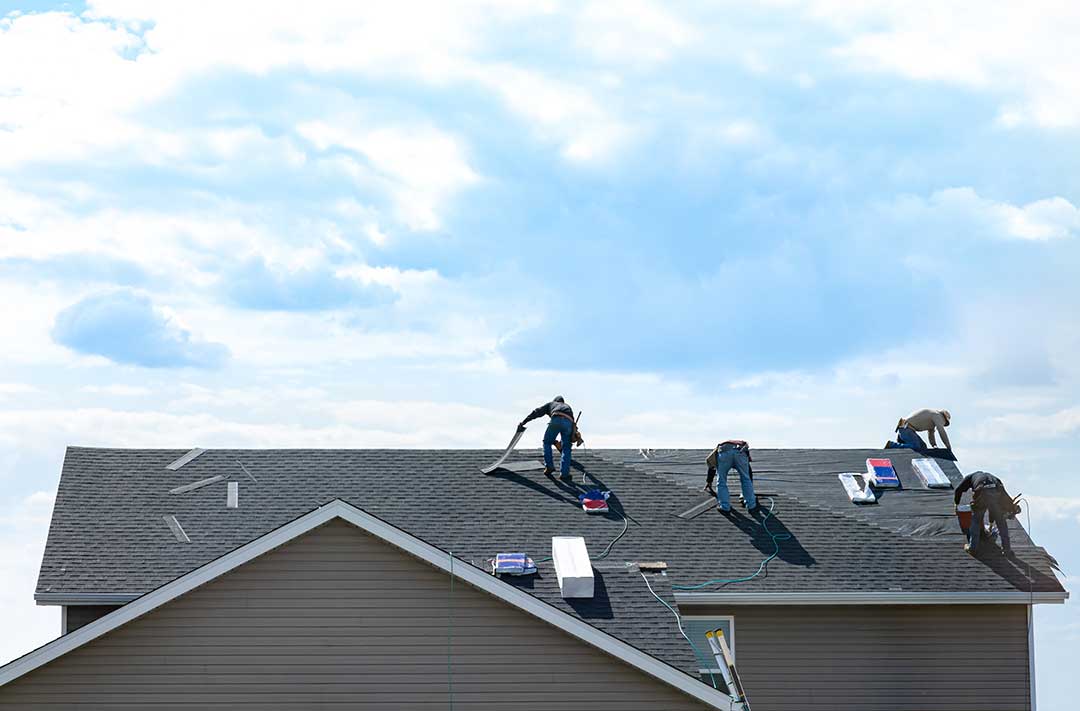
Hail damage may appear as irregular dents or areas where granules have been knocked away. It is not always visible from a normal standing position, and a soft-looking dent does not necessarily mean the roof is leaking immediately.
What should be done if there is a leak?
First, protect people and belongings. Place containers under drips, move furniture away from the affected area, and use towels to limit floor damage. Do not stand beneath a ceiling that is bulging or sagging.
If water is close to a light fixture, outlet, appliance, or wiring, avoid contact with the water and use caution before turning off power. The safest method depends on the location of the electrical equipment and whether the floor or panel area is wet.
Take photographs from a safe location. Record:
- The date of the storm
- Where the leak appeared
- Whether the leak occurs during rain, melting snow, or both
- Visible exterior damage
- Any damaged belongings
- Temporary steps taken to reduce water entry
A temporary cover may help limit additional water intrusion, but climbing onto a damaged roof to place one can be dangerous. Temporary repairs should not block attic ventilation, trap moisture, or conceal the original damage.
Should a roof be inspected after every major storm?
A quick ground-level check is sensible after storms that bring strong wind, hail, falling branches, or heavy precipitation. A closer inspection becomes more useful when the storm is followed by leaking, unusual attic moisture, loose materials, or debris impact.
Homes with older roofing, multiple roof levels, dormers, skylights, chimneys, or extensive tree cover deserve extra attention because these features create more places for wind and water to enter. Areas around valleys and roof edges are also more exposed to runoff and wind uplift.
After winter weather, inspect again when snow and ice have cleared enough to see the roof safely. Ice dams can force water beneath roofing materials even when shingles appear intact. A leak that begins during snowmelt may point to a problem near an eave, valley, flashing joint, or ventilation path rather than directly above the interior stain.
When is outside help necessary?
Professional evaluation is warranted when damage involves a steep or slippery roof, structural sagging, large missing sections, active water intrusion, damaged electrical systems, or materials that cannot be reached safely from the ground. It is also appropriate when the source of a leak is unclear or when temporary measures have not stopped water entry.
A roof inspection should not rely only on a quick visual glance. The person assessing the damage may need to examine attic framing, flashing, ventilation, drainage, and the condition of the roof covering as a connected system.
Keep photographs, written notes, and repair records. These details can help explain what happened, distinguish storm damage from older wear, and guide safe decisions before the next period of rain, wind, or snow.
