
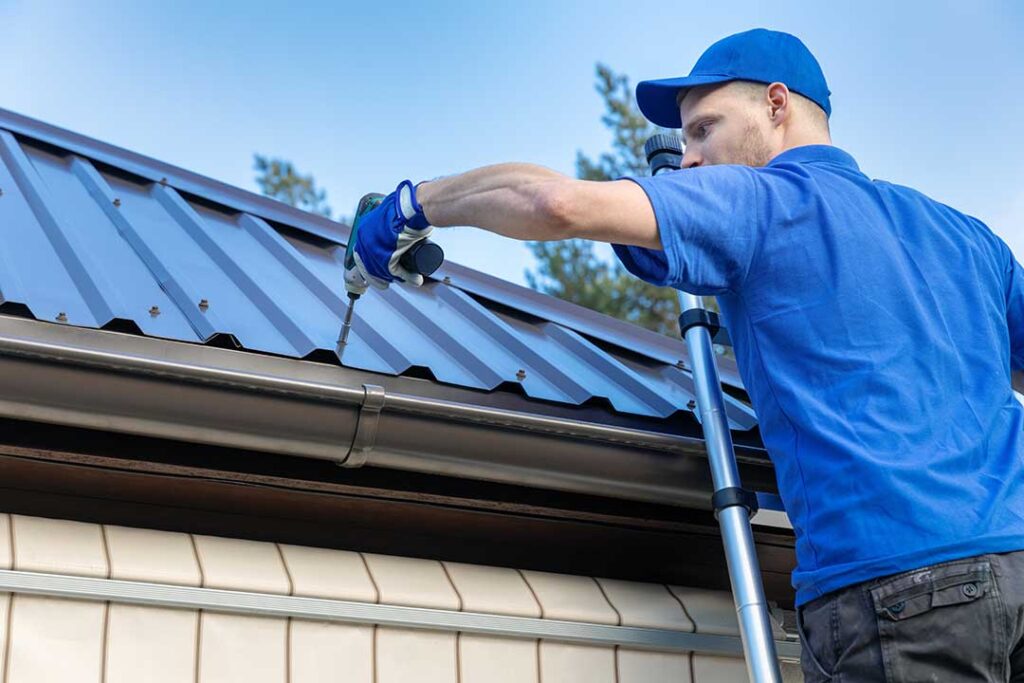
What does a roof inspection actually involve?
A roof inspection is a systematic review of the roof’s visible surfaces, drainage components, flashing, attic space, and related signs of moisture or structural trouble. It is more than looking for missing shingles from the ground.
A careful inspection usually considers:
- Shingles, panels, membranes, or other roof coverings
- Valleys, ridges, hips, and roof-to-wall transitions
- Flashing around chimneys, plumbing vents, skylights, and walls
- Gutters, downspouts, and areas where water may collect
- Fascia, soffits, and exposed roof edges
- Attic insulation, ventilation, wood framing, and signs of leaks
- Moss, algae, staining, loose materials, and storm-related damage
The goal is to identify current problems, conditions that may shorten roof life, and maintenance issues that could become more expensive if ignored.
How often should a homeowner inspect a roof?
Most homes benefit from a basic visual check twice a year: once in spring and again in fall. Additional inspections make sense after severe weather, falling branches, unusual interior staining, or evidence of water entering the attic or living space.
Seasonal checks are especially useful in Ithaca, NY, where roofs experience freeze-thaw cycles, snow, ice, wind, rain, and occasional heavy summer storms. These conditions can loosen materials, enlarge small cracks, clog drainage paths, and expose weak areas around flashing.
A homeowner does not need to climb onto the roof for every inspection. A ground-level review with binoculars, followed by an attic check, can reveal many warning signs without creating a fall hazard.
What should be checked from the ground?
Start by viewing the roof from several angles. Look for changes in its lines, surface pattern, and edges rather than focusing only on individual shingles.
Potential warning signs include:
- Missing, curled, cracked, blistered, or heavily worn shingles
- Dark patches that differ from the surrounding roof surface
- Sagging along a roof plane, ridge, or edge
- Exposed underlayment or roof decking
- Loose or displaced materials near valleys and ridges
- Granules collecting in gutters or at the base of downspouts
- Damaged chimney caps, masonry joints, or exterior flashing
- Gutters pulling away from the roofline
- Water stains or deterioration on fascia and soffits
A small amount of granule loss can occur as roofing materials age, but a sudden increase after a storm may indicate impact or surface deterioration. A sagging area deserves prompt attention because it may indicate trapped moisture, weakened decking, or a structural problem.
Why are flashing and roof penetrations so important?
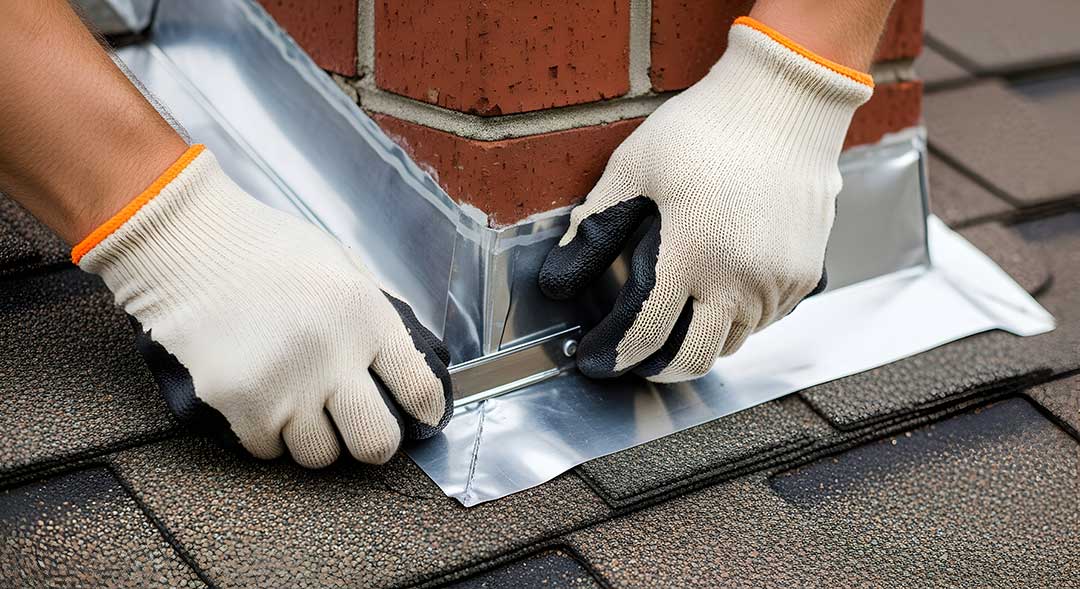
Flashing directs water away from joints and openings. It is commonly installed around chimneys, skylights, plumbing vents, dormers, sidewalls, and roof edges.
These locations are frequent sources of leaks because they combine different materials and movement patterns. Roofing expands and contracts with temperature changes, while masonry, metal, wood, and sealants respond differently.
During an inspection, look for:
- Rusted, bent, loose, or missing metal
- Gaps between flashing and masonry
- Cracked or deteriorated sealant
- Lifted shingles around vents or wall intersections
- Water marks below penetrations inside the attic
Replacing a few shingles may not solve a leak if the actual entry point is damaged flashing. Water can travel along roof decking, rafters, and insulation before appearing on a ceiling, so the interior stain may not be directly below the exterior defect.
What can an attic inspection reveal?
The attic often provides the clearest evidence of roof performance. Inspect it after rainfall if possible, but do not enter an area with unsafe flooring, exposed wiring, or structural concerns.
Look for:
- Darkened or stained wood
- Damp insulation or compressed insulation
- Water droplets, rusted fasteners, or mold-like growth
- Daylight entering through places that should be sealed
- Damp or deteriorated roof decking
- Musty odors
- Frost or condensation during cold weather
- Blocked soffit vents or inadequate airflow
Not every attic stain means the roof is currently leaking. Some marks come from an old repair or past condensation. However, fresh dampness, active dripping, or soft wood indicates a condition that should not be ignored.
Roof ventilation also matters. Warm, moist air from the home can move into the attic and condense on cold surfaces. Poor airflow may contribute to damp insulation, wood deterioration, and ice formation along roof edges during winter.
How should snow and ice be considered?
Snow itself is not automatically a problem, but heavy accumulation can place added load on a roof. Ice dams are another concern. They form when heat escapes into the attic, melts snow on the upper roof, and allows water to refreeze near colder eaves.
Possible signs of ice-dam activity include:
- Thick ice along the lower roof edge
- Icicles accompanied by water staining
- Damp insulation near exterior walls
- Peeling paint or damaged ceilings
- Repeated winter leaks in the same area
Removing snow or ice from a roof can be dangerous and may damage roofing materials if done improperly. Avoid climbing onto a snowy or icy roof. If a roof appears overloaded, water is entering the home, or ice has created a hazard, professional assistance may be necessary for safety.
Does moss mean the roof needs to be replaced?
No. Moss growth does not automatically mean a roof has reached the end of its service life. It does indicate persistent moisture and shade, conditions that can hold water against roofing materials and interfere with drainage.
Moss should not be pulled off aggressively because that can remove protective granules or damage shingles. Pressure washing can also shorten roof life and drive water beneath roofing components.
An inspection should determine whether moss is limited to the surface or whether it has lifted shingles, blocked drainage, or contributed to decay. Trees that shade the roof and drop leaves may also increase moisture retention and gutter blockage.
What should happen after a roof inspection?
Document the findings with photographs and notes. Separate observations into three categories:
- Urgent conditions: active leaks, exposed decking, major sagging, storm openings, or unsafe electrical conditions
- Maintenance issues: clogged gutters, minor moss, loose trim, or deteriorating sealant
- Longer-term concerns: widespread aging, repeated repairs, declining ventilation, or damaged flashing
Do not assume every roof defect requires immediate replacement. Some problems can be repaired or maintained, while others involve enough widespread deterioration that replacement becomes the more practical option. The decision should consider the roof’s age, material, repair history, attic condition, drainage, and the extent of damage.
After wind or hail, inspect the attic and interior ceilings even if the roof looks acceptable from the ground. Small exterior damage can allow water in later, particularly after repeated rain or freeze-thaw conditions.
When is a roof inspection unsafe for a homeowner?
A homeowner should avoid climbing onto a roof that is wet, icy, snow-covered, steep, fragile, or visibly damaged. Walking on some roofing materials can cause damage even when the surface appears stable.
Professional evaluation is warranted when there is:
- Active water intrusion
- A sagging roofline or ceiling
- Fire, fallen-tree, or major storm damage
- Suspected structural weakness
- An inaccessible or unusually steep roof
- Electrical hazards in the attic
- Significant ice buildup
A safe inspection can still begin from the ground and inside the attic. Those observations provide useful information without turning a routine maintenance task into a fall or electrical accident.
