
How can animals damage a roof?
Animals can harm roof systems by creating openings, disturbing materials, blocking drainage, and introducing moisture into attic spaces. The damage may begin with a small gap around a vent or eave and gradually become a source of leaks, insulation problems, wood decay, or indoor air-quality concerns.
In Ithaca, seasonal temperature changes, snow, rain, and ice make even minor roof openings more serious. Water can enter after a freeze-thaw cycle, while animals may enlarge weak spots as they search for shelter.
The most common roof-related animal problems involve:
- Squirrels and other rodents entering through roof edges or vents
- Raccoons forcing openings near soffits, fascia, or loose roofing materials
- Birds nesting in chimneys, vents, and roof cavities
- Bats using gaps beneath flashing, ridge caps, or siding-to-roof transitions
- Woodpeckers creating holes in fascia, trim, or deteriorated sheathing
- Wasps and other insects nesting beneath roofing edges or in wall and attic cavities
Not every animal seen on a roof is causing damage. The concern is usually repeated access, nesting, chewing, digging, or waste accumulation.
Which parts of a roof are most vulnerable?
Roof edges and penetrations are the areas most likely to be affected because they contain joints, openings, or lighter materials. Animals often take advantage of existing weaknesses rather than breaking through sound roofing.
Pay particular attention to:
- Soffits and fascia boards
- Roof-to-wall intersections
- Chimney flashing
- Plumbing and exhaust vents
- Ridge vents and gable vents
- Skylight edges
- Loose shingles near eaves
- Areas where tree limbs touch or overhang the roof
- Gaps beneath metal flashing or trim
Squirrels may chew wood, plastic vent covers, and wiring. Raccoons can pull apart weakened soffits or roofing materials because they are strong animals seeking protected nesting space. Birds may push nesting material into vents, while woodpeckers often target soft or insect-damaged wood.
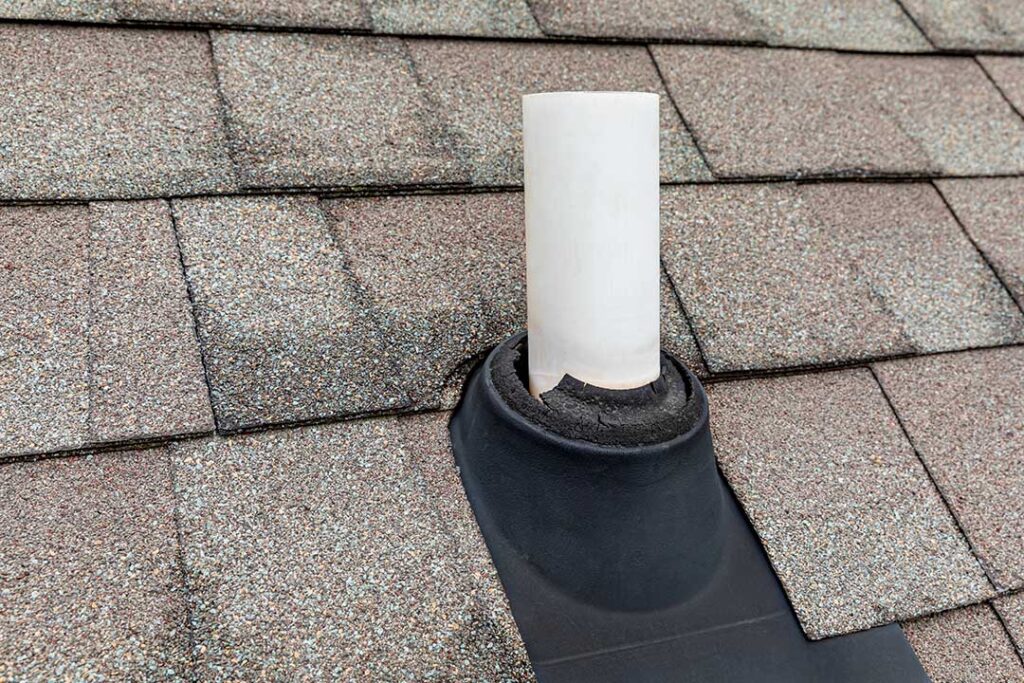
A roof does not need to have a large visible hole for water to enter. A displaced shingle, cracked vent boot, or damaged flashing joint can allow wind-driven rain and melting snow into the assembly.
How do animals lead to roof leaks?
Animals can cause direct leaks by opening the roof surface, but many leaks develop indirectly. Nesting materials may block drainage or ventilation, and movement around a weak area can loosen shingles or flashing.
Animal waste can also contribute to moisture problems. In an attic, droppings and nesting material may hold moisture against wood, insulation, or ventilation components. Wet insulation loses effectiveness and can remain damp long enough to support mold growth or wood decay.
A common pattern is:
1. An animal enters through a small gap.
2. The opening becomes larger through chewing, pulling, or repeated movement.
3. Nesting material blocks airflow or drainage.
4. Rain, snow, or ice enters the area.
5. Wet insulation, sheathing, or framing begins to deteriorate.
The interior warning signs may appear far from the original entry point. Residents may notice a ceiling stain, musty odor, unusual attic warmth or cold, or a faint dripping sound before the exterior damage is obvious.
What signs suggest an animal is affecting the roof?
The strongest clues are repeated sounds, physical openings, and changes in the attic or upper floors. Animal activity is more likely when several signs occur together.
Look for:
- Scratching, scampering, or movement during early morning or evening
- Droppings or urine staining in the attic
- Shredded insulation or nesting material
- Chewed wood, plastic, wiring, or vent screens
- Feathers, fur, or leaves gathered near an opening
- A new ceiling stain after rain or snowmelt
- Damaged soffits, fascia, or roof-edge trim
- Greasy marks or tracks near an entry point
- Birds entering and leaving the same vent or roof gap
- A persistent odor in an attic or upper-level room
During winter, snow can make tracks easier to notice, but it can also hide roof damage. Do not assume that a roof is intact simply because the shingles look undisturbed from the ground.
Can animals damage roof ventilation?
Yes. Nesting materials and animal activity can interfere with ventilation, especially at soffit, ridge, gable, and bathroom exhaust locations.
Roof ventilation depends on clear air pathways. If a nest blocks an intake vent, warm and moist air may remain trapped in the attic. In a cold climate, moisture from the living area can condense on cold roof surfaces. This may contribute to mold, damp insulation, rusted fasteners, and premature deterioration of roof materials.
A blocked exhaust vent can also force moisture into the attic rather than outdoors. Bathroom and kitchen exhaust should terminate outside through properly installed vents, not into an attic space.
Vent screens and protective covers should be sturdy enough to resist animal entry while still allowing appropriate airflow. Covering a vent completely may prevent animals from entering but create a separate moisture problem.
Are trees and outdoor habits connected to animal roof damage?
Often. Tree limbs provide routes onto the roof and can give squirrels and other animals easier access to roof edges. Branches can also rub against shingles, scrape protective coatings, and deposit leaves that retain moisture.
Keeping limbs from resting directly on the roof can reduce access and physical wear. Removing fallen fruit, securing trash, and placing bird feeders away from rooflines may also reduce animal traffic near the house. These steps do not eliminate wildlife, but they can make the roof less attractive as a travel route or shelter.
Older homes with mature trees, enclosed porches, additions, and multiple roof levels may have more concealed transitions where animals can enter. These areas deserve careful observation during seasonal inspections.
What should residents do if an animal is inside the roof or attic?
Do not seal an opening immediately if an animal may still be inside. Closing the entry point can trap adults, young animals, or bats in the attic or wall cavity. Trapped animals may cause additional damage while attempting to escape.
The safer sequence is to identify the animal, determine whether young are present, and use an appropriate exclusion method before permanently repairing the opening. Different species have different nesting seasons and legal protections. In New York, many wildlife species are protected, and some removal or relocation methods require authorization or specialized handling.
Extra care is warranted with bats, raccoons, and animals that may bite or carry disease. Avoid handling wildlife, contaminated nesting material, or droppings without appropriate protective measures. If insulation is heavily contaminated, disturbing it can spread dust and biological material through the home.
Once the animal issue is resolved, the roof opening should be repaired with materials suited to the location. That may involve replacing damaged shingles, rebuilding a soffit section, repairing flashing, restoring a vent, or replacing deteriorated sheathing.
How can animal-related roof damage be reduced?
Prevention depends on keeping the roof dry, well-ventilated, and difficult to enter.
Useful maintenance includes:
- Inspecting roof edges and penetrations at least once each year
- Checking after major wind, ice, or snow events
- Repairing loose shingles and damaged flashing promptly
- Keeping gutters and downspouts clear of leaves and nesting debris
- Trimming limbs that touch or closely overhang the roof
- Maintaining secure vent screens without blocking airflow
- Looking for gaps around chimneys, dormers, and roof-to-wall joints
- Watching for attic odors, sounds, stains, and disturbed insulation
A small animal opening can become a larger building-envelope problem if water, freezing temperatures, and repeated activity are allowed to interact. Early identification usually means less damage to roofing, insulation, framing, and interior finishes.
