
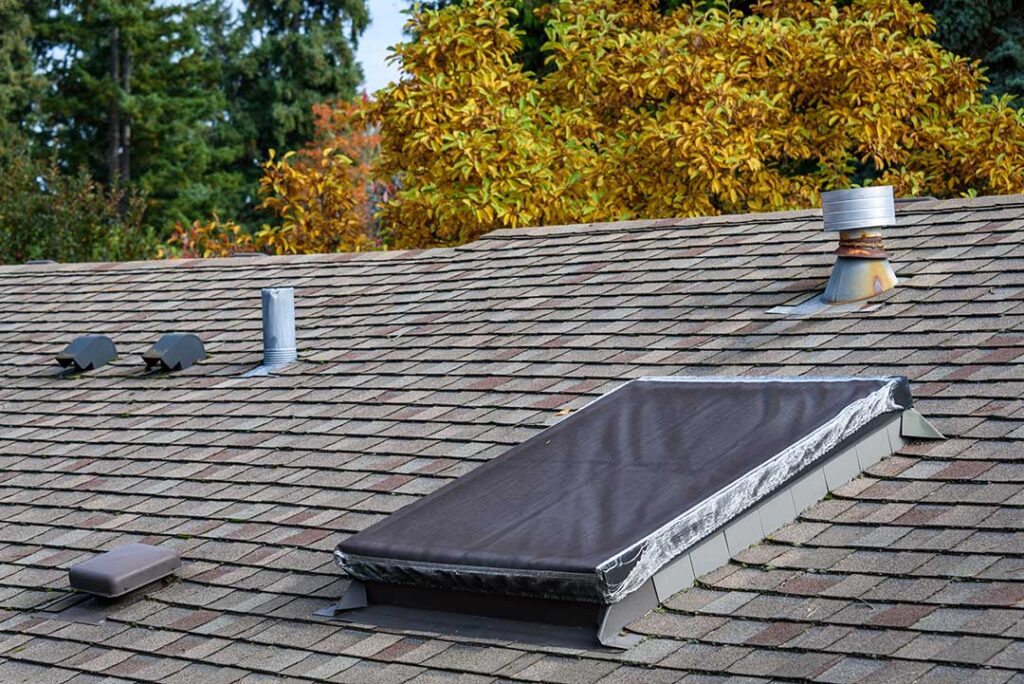
Skylights can brighten a dark room, improve daytime comfort, and provide a connection to the outdoors. They also create an opening in the roof, which means they affect drainage, insulation, structural framing, and long-term maintenance.
For homeowners in Ithaca, NY, those effects deserve extra attention. Snow, freeze-thaw cycles, wind-driven rain, ice buildup, and older housing stock can expose weaknesses around a skylight more quickly than a dry, mild climate would.
Do skylights weaken a roof?
A skylight does not automatically weaken a roof, but installing one requires cutting through part of the roof system. The opening must be framed correctly so the surrounding rafters or trusses continue carrying roof loads safely.
A properly designed installation typically includes:
- Structural framing around the opening
- A compatible skylight unit
- Flashing that directs water around the frame
- Underlayment protection beneath the roofing
- Insulation and air sealing around the shaft
- Interior finishing that limits condensation and heat loss
Problems arise when an opening is poorly located, improperly framed, or installed without a complete water-management system. Cutting a roof opening without accounting for the existing framing can transfer loads to areas that were not designed to carry them.
Skylights are especially sensitive on roofs with complex framing, low slopes, multiple valleys, or previous alterations. The visible skylight may look small, but the roof opening can affect several structural and weatherproofing layers.
How do skylights affect water drainage?
Skylights interrupt the smooth flow of water down a roof. Water that would normally travel in a straight path may be redirected around the upper and side edges of the skylight. If the surrounding flashing is inadequate, water can collect, seep beneath shingles, or enter through fastener holes.
The most important water-management components are usually:
- Step flashing along the sides
- Head flashing along the upper edge
- Sill or apron flashing along the lower edge
- A continuous underlayment layer
- Properly integrated roofing materials
A skylight installed near a roof valley, wall intersection, or other drainage transition receives more complicated water flow. These locations can be more difficult to detail and inspect.
Leaks do not always appear directly below the skylight. Water may travel along roof decking, rafters, insulation, or interior framing before showing up as a ceiling stain. Bubbling paint, soft drywall, damp trim, peeling wallpaper, or musty odors can signal moisture even when the skylight glass appears intact.
Why are snow and ice significant around skylights?
Snow and ice can place additional demands on the roof area surrounding a skylight. A raised skylight frame can interrupt snow sliding, while nearby roof slopes may concentrate snow against its upper edge. Meltwater can then refreeze during cold periods.
Ice dams are a related concern. They form when heat escaping from the attic warms portions of the roof, causing snow to melt. The meltwater runs toward colder roof edges, where it refreezes. A skylight can contribute to uneven roof temperatures if the shaft is poorly insulated or air sealed.
Good attic insulation and air sealing help reduce this risk. Adequate roof ventilation may also support more consistent roof temperatures, although ventilation cannot correct every ice-dam problem by itself.
Snow should not be removed from a skylight by striking the glass, frame, or surrounding roofing. The glazing can be damaged, and scraping can injure flashing or shingles. Any roof work during icy conditions also creates a fall hazard.
Can skylights cause heat loss or condensation?
Yes. Skylights can affect indoor temperature because glass generally insulates differently from a fully insulated roof assembly. Older skylights may have single glazing, failed seals, or deteriorated frames that allow more heat transfer.
Condensation can form when warm, moist indoor air contacts a cold skylight surface. Kitchens, bathrooms, and rooms with poor ventilation are more likely to experience this problem. Persistent condensation can damage interior trim and encourage mold growth around the shaft.
A well-performing skylight depends on more than the glazing. The shaft should be insulated continuously, and gaps between the frame and roof structure should be air sealed. Interior humidity also matters, especially during cold weather.
Signs of a moisture or heat-loss problem include:
- Water droplets on the interior pane
- Frost near the frame
- Stained or swollen wood trim
- Peeling paint around the shaft
- Drafts near the skylight
- A noticeably colder area below the opening
Condensation is not always evidence of a roof leak. A leak usually follows weather events or snowmelt, while condensation may appear during cold periods even when there has been no rain.
Do skylights affect roof life?
They can. Every roof penetration adds a location where materials must remain watertight over time. Roofing typically ages from weather exposure, but skylight flashing and seals may age at a different rate from the surrounding shingles.
Maintenance should include checking the area around the skylight for:
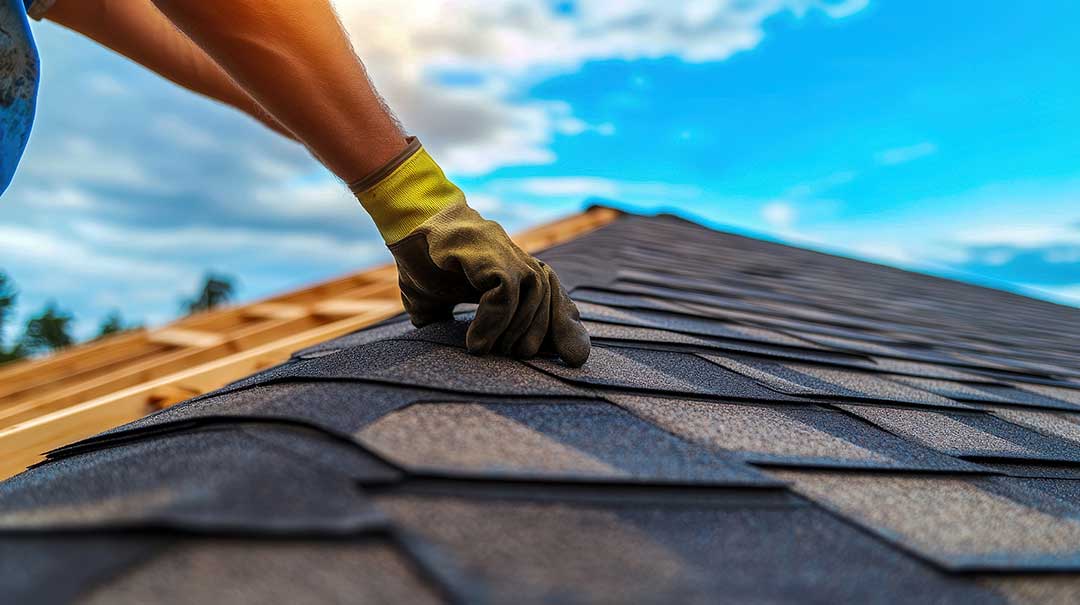
- Cracked or displaced flashing
- Missing, brittle, or lifted shingles
- Damaged sealant
- Rust or corrosion
- Debris collecting above the frame
- Soft roof decking
- Interior staining or dampness
Sealant is not a substitute for proper flashing. Adding caulk around a leaking skylight may provide a temporary surface barrier, but it does not correct missing step flashing, deteriorated underlayment, poor drainage, or damaged roof sheathing.
During a roof replacement, existing skylights should be evaluated rather than automatically covered or reused. Replacing roofing around an old skylight without examining its frame and flashing may leave a weak component in an otherwise newer roof system.
Are skylights affected by roof pitch?
Yes. Roof slope influences how quickly water and snow move away from the skylight. Low-slope roofs generally require more careful flashing details because water remains on the surface longer.
New York’s building requirements include provisions for skylight installation, structural support, glazing, mounting, and roof slope. The exact requirements depend on the building type, skylight design, roof construction, and code edition in effect when the work is performed. Permit and inspection requirements may also apply.
A skylight should be selected for the roof’s pitch rather than treated as a universal component. Manufacturer instructions are part of the installation requirements and may specify minimum slope, flashing kits, curb dimensions, and acceptable roofing materials.
Should a skylight be repaired or replaced?
The right choice depends on the source of the problem. A damaged flashing system may be repairable, while a failed insulated glass unit may call for glazing or skylight replacement. If the surrounding roof decking has rot, the damaged material must be addressed before the skylight can be considered reliable.
Replacement is more likely to make sense when the skylight has:
- Repeated leaks despite previous repairs
- Cracked or yellowed glazing
- Failed seals between panes
- Corroded or deteriorated framing
- Persistent drafts or condensation
- Interior damage caused by long-term moisture
A skylight that is structurally sound and properly integrated into the roof may continue working for many years. The key question is not simply whether the skylight is old, but whether its frame, glazing, flashing, drainage, and surrounding roof materials are still functioning together.
What should homeowners watch for after a storm?
After heavy rain, strong wind, or a major snow event, look at the ceiling and interior trim below the skylight. New stains, dampness, or bubbling finishes should be documented promptly.
From the ground, check for missing shingles, displaced flashing, or debris lodged above the unit. Do not climb onto a wet, icy, or snow-covered roof. Roof penetrations can be difficult to evaluate safely, and hidden damage may not be visible from the ground.
For homes in Ithaca, seasonal inspections are especially useful before winter and again after the snow and ice season. Finding a small flashing problem before repeated freeze-thaw cycles can limit damage to insulation, roof decking, framing, and interior finishes.
