
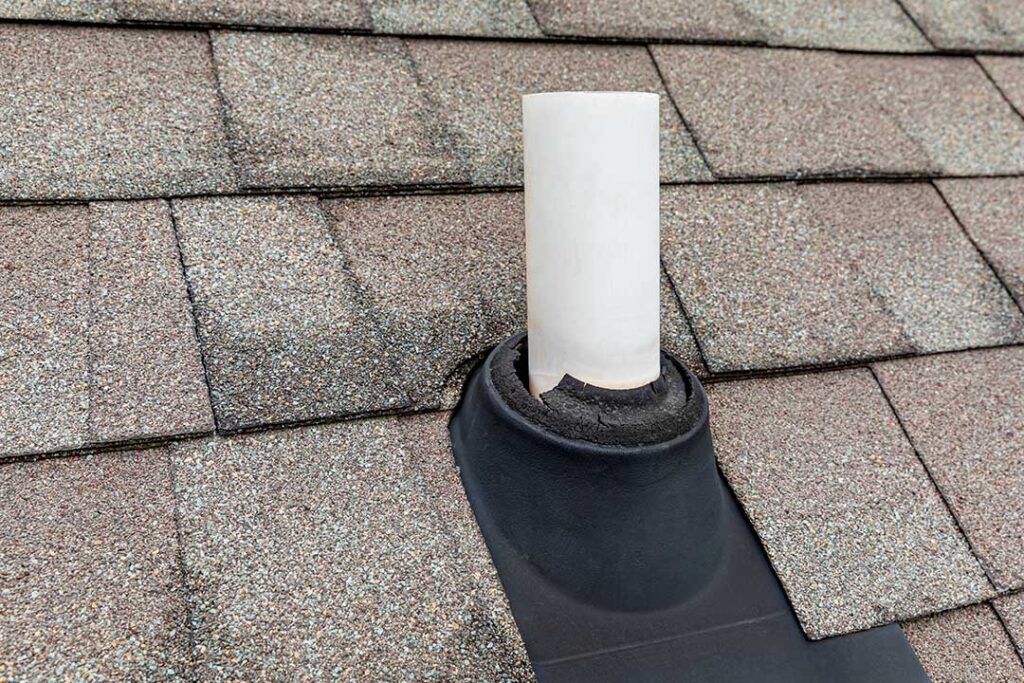
A roof leak rarely stays limited to the roof covering. Water can travel along rafters, sheathing, insulation, wiring, and wall cavities before it becomes visible inside the home. In Ithaca, NY, repeated rain, freeze-thaw cycles, snow, ice, and seasonal humidity can give a small roof defect many opportunities to cause structural damage.
What happens after water gets beneath the roof?
Water usually follows the path of least resistance rather than dropping straight down. A leak near a roof penetration, flashing joint, ridge, or shingle may appear indoors several feet away from the actual entry point.
Once moisture passes through the outer roofing materials, it may reach:
- Roof decking or sheathing
- Rafters and trusses
- Attic insulation
- Ceiling drywall or plaster
- Exterior and interior wall cavities
- Electrical wiring and lighting fixtures
- Wall plates, headers, and other framing connections
A stain on a ceiling is therefore a warning sign, not a complete map of the damage. The visible mark may be below the lowest point where water has traveled.
How can a leak damage roof framing?
Persistent moisture can weaken wooden roof components through swelling, decay, and loss of structural strength. Roof decking may soften, delaminate, or develop darkened areas. Rafters and trusses can also deteriorate if moisture remains trapped around joints or fasteners.
The risk is higher when a leak continues through multiple wetting and drying cycles. Wood may appear dry on the surface while remaining damp inside. In concealed spaces, limited airflow can slow drying and allow decay organisms to remain active.
Structural concerns may include:
- Sagging sections of roof decking
- Soft or crumbly wood around a leak
- Rusted or loosened fasteners
- Deteriorated rafter or truss connections
- Uneven roof lines
- Ceiling movement beneath the affected area
A single brief leak does not always cause major structural damage. The concern grows when water enters repeatedly, remains undiscovered, or affects a connection that carries significant weight.
Why are winter conditions especially challenging?
Cold-weather conditions can make roof leaks more complicated. Snow and ice may cover the original entry point, while melting water moves beneath roofing materials and into the attic. Ice buildup along roof edges can also interfere with drainage and create temporary pathways for water to move under shingles or flashing.
Freeze-thaw cycles add another source of stress. Water that enters a small crack or gap can freeze, expand, and enlarge the opening. Repeated freezing and thawing may affect flashing, masonry joints, roof penetrations, and roofing materials.
Heavy snow also adds weight to the roof. A roof already weakened by water damage may have less capacity to handle that load, particularly where decking or framing has deteriorated.
Can a roof leak damage walls and ceilings?
Yes. Water can move from the roof into wall cavities and damage materials that are not immediately visible. Ceiling finishes may bubble, stain, sag, or pull away from fasteners. Plaster can crack or loosen, while drywall may lose strength after repeated wetting.
If water reaches a wall, it can affect:
- Studs and wall plates
- Window and door headers
- Interior trim and flooring
- Insulation
- Paint and plaster
- Fasteners and metal components
A wall may look sound from the room side while moisture remains behind it. Persistent dampness can contribute to musty odors, peeling finishes, and microbial growth. It can also cause wood trim or flooring to swell and change shape.
Does a small ceiling stain always mean serious damage?
No. A small, isolated stain may result from a short-lived leak that caused limited damage. However, the size of the stain does not reliably show the seriousness of the problem.
A small entry point can release water into a concealed space for a long time. Conversely, a large stain may be the visible remainder of an older leak that has already stopped. The condition of the roof decking, framing, insulation, and surrounding materials matters more than the stain’s appearance alone.
New staining, soft drywall, recurring discoloration, or a musty smell suggests that moisture may still be present or that the leak has returned.
Can roof leaks create electrical hazards?

They can. Water that reaches electrical wiring, junction boxes, recessed fixtures, or attic equipment may create a risk of short circuits, equipment damage, or fire. Flickering lights, tripped breakers, buzzing fixtures, or water around a light should be treated seriously.
Avoid touching wet electrical components or standing beneath a leaking fixture. If water is actively entering near electrical equipment, shutting off power to the affected circuit may be appropriate if it can be done safely and without entering standing water. Electrical problems require qualified evaluation because the visible moisture may not show the full extent of exposure.
What signs suggest structural damage rather than a surface leak?
Some warning signs point beyond a damaged shingle or isolated flashing problem:
- A sagging ceiling or roof line
- Doors or windows that begin sticking near the affected area
- Cracks that widen in ceilings or walls
- Soft, springy, or crumbly roof decking
- Exposed framing with dark stains or decay
- Repeated leaks in the same location
- Noticeable movement, bowing, or separation at roof components
- Strong musty odors combined with damp materials
These conditions are more concerning when they follow heavy rain, snow accumulation, or a long period of unnoticed moisture. People should stay clear of visibly sagging ceilings because wet ceiling materials can become heavy and detach without much warning.
What should residents do after discovering a leak?
The first priority is limiting immediate damage without creating a safety hazard. Place containers beneath active drips, move furniture and personal belongings away from the area, and photograph visible damage for household records. Do not climb onto a wet, icy, or snow-covered roof.
If attic access is safe, a visual check may reveal wet insulation, darkened wood, water trails, or daylight visible through the roof covering. Insulation can hide moisture, so a dry-looking surface does not always mean the area is unaffected.
Temporary interior measures do not repair the source. The roof and surrounding structure need to dry, and damaged materials may need removal if they cannot dry properly. Wet insulation, deteriorated sheathing, compromised framing, and exposed electrical components should not be treated as cosmetic issues.
How can homeowners reduce the chance of hidden damage?
Routine observation helps identify problems before they spread. Check ceilings and upper walls after major storms, inspect the attic when conditions are safe, and look for changes in insulation, wood color, odors, or dampness.
Useful preventive habits include:
- Keeping roof drainage paths clear of leaves and debris
- Watching for damaged flashing, missing roofing materials, and open seams
- Checking attic ventilation for blocked or poorly functioning pathways
- Looking for water stains after snow begins to melt
- Trimming branches that could damage roofing during storms
- Addressing repeated condensation in the attic, which can resemble a roof leak
A roof leak is a building-maintenance issue, but it can become a structural issue when moisture reaches framing, connections, walls, or ceilings. Early attention is especially valuable in a climate where wet conditions, winter weather, and repeated temperature changes can extend the life of a leak beyond the day it is first noticed.
