
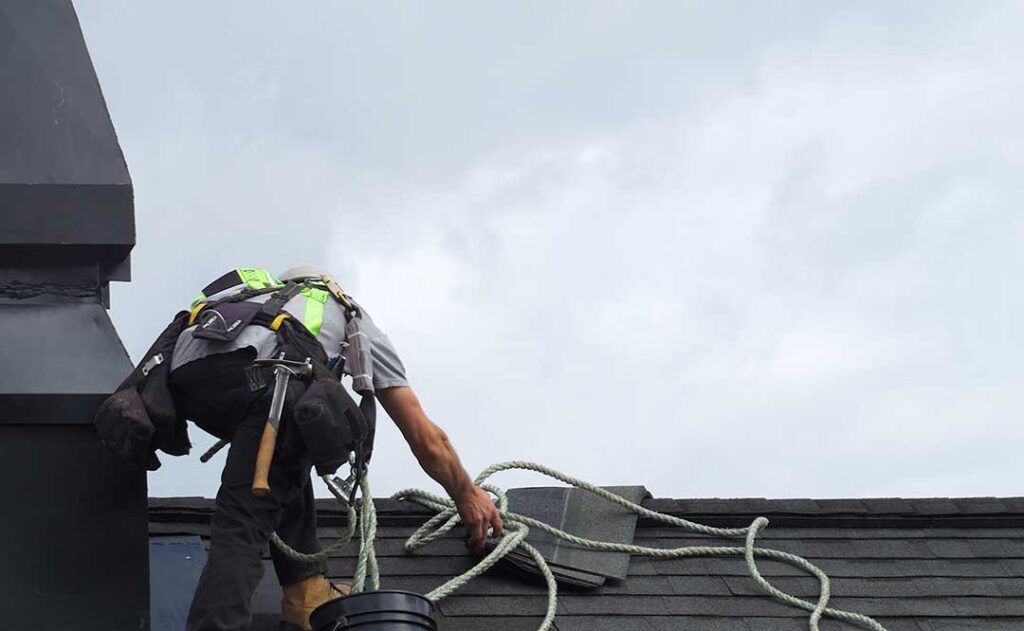
Solar panels can be a practical addition to a home, but the roof must be evaluated as part of the project—not treated as a blank surface for mounting equipment. In Ithaca, NY, snow, ice, roof age, roof shape, ventilation, and local permitting all affect whether a rooftop solar array is a sound long-term choice.
Is the existing roof ready for solar panels?
A roof should generally have many years of service life remaining before panels are installed. Solar equipment can last for decades, while roofing materials may need replacement sooner. If the roof is already near the end of its useful life, installing panels first can create extra work later because the array may need to be removed and reinstalled during a roof replacement.
Before proceeding, look for:
- Curling, cracked, brittle, or missing shingles
- Dark stains or signs of past leakage
- Soft areas in the roof deck
- Sagging between rafters or trusses
- Deteriorated flashing around chimneys, vents, and skylights
- Repeated ice-dam damage along the eaves
- A roof covering that is already approaching its expected replacement age
A roof inspection does not guarantee that every hidden condition will be found, but it can identify visible problems and help determine whether roofing work should happen before solar installation.
How do snow and ice affect rooftop solar in Ithaca?
Winter weather matters in this area because panels add equipment to a roof that already has to handle snow, wind, freezing temperatures, and repeated thawing. The panels themselves are designed for outdoor conditions, but the roof structure, attachment points, and surrounding drainage still require careful planning.
Solar panels do not eliminate snow loads. Snow may slide off panels in sheets, especially when sunlight warms the surface. That can create a hazard over walkways, entrances, decks, parked vehicles, or lower roof sections. Snow guards or other restraint systems may be needed where falling snow or ice could injure people or damage property.
Panel placement should also account for:
- Roof edges where snow can accumulate or release suddenly
- Valleys that concentrate meltwater
- Areas below higher roof sections
- Gutters and downspouts that may be damaged by sliding snow
- Locations where ice could fall onto doors, stairs, or frequently used paths
The structure supporting the roof must be able to carry the applicable design loads, including the weight of the solar equipment and the conditions required by New York State code. Older homes, additions, porches, and areas with altered framing may deserve additional attention.
Does roof direction matter?
Roof direction affects how much sunlight reaches the panels, but it is only one part of the decision. A roof with good sun exposure may still be a poor mounting location if it has heavy shading, complicated roof geometry, weak framing, or difficult access.
Trees, nearby structures, dormers, chimneys, and roof vents can cast shadows at different times of day and throughout the year. A roof that appears sunny in summer may receive less useful sunlight during shorter winter days.
Roof pitch matters as well. Steeper roofs can improve panel exposure in some circumstances, but they can also make installation, maintenance, snow management, and emergency access more complicated. Low-slope sections may require different mounting methods and drainage considerations.
The most useful evaluation considers annual sunlight, not just whether the roof looks bright during a single visit.
Can solar panels damage a roof?
Properly installed panels should not damage a sound roof, but the mounting system creates new attachment points and penetrations that must be weatherproofed correctly. Poorly placed fasteners, inadequate flashing, or installation over deteriorated materials can lead to leaks.
Roof penetrations should be coordinated with existing features such as:
- Plumbing vents
- Exhaust outlets
- Skylights
- Chimneys
- Mechanical equipment
- Ridge vents and other ventilation components
A solar array should not block required roof ventilation. It should also leave appropriate access routes and clearances for inspection, firefighting, and future roof maintenance. Building and fire-code requirements can limit how close panels may be placed to ridges, edges, valleys, and other roof features.
The mounting hardware must be compatible with the roof covering. Asphalt shingles, standing-seam metal, membrane roofing, and other systems require different attachment and flashing approaches. A method that works on one roof type may be unsuitable for another.
What if the roof has a leak after installation?
A leak beneath or near a solar array should not automatically be blamed on the panels, but it should be investigated promptly. Water can travel along roof decking, rafters, underlayment, or electrical conduit before appearing inside the home.
Common possibilities include:
- A failed flashing detail
- A damaged shingle or membrane
- Ice-dam-related water entry
- An existing roof defect that was hidden by the array
- Condensation or a plumbing-vent problem
- Water entering at a location above the visible stain
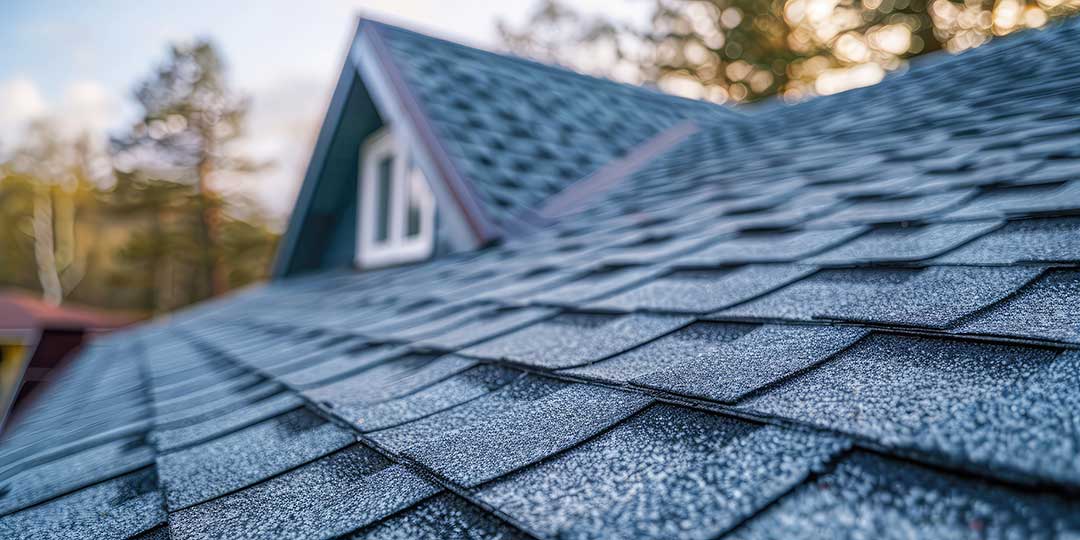
Avoid walking on panels or attempting repairs around energized equipment. Electrical hazards can remain present even when the system is shut down, particularly during daylight. Roof access may also be more dangerous after snow, freezing rain, or high winds.
Are permits required for rooftop solar in Ithaca?
Rooftop solar generally involves both structural and electrical work, so permits and inspections are part of the process. In Ithaca, building-permit information identifies roofing, electrical alterations, and work covered by the state building and energy codes as permit-related activities. A solar project may require drawings showing the roof layout, equipment, wiring, structural support, and safety clearances.
Requirements can differ depending on whether a property is within the city, in a designated historic area, or subject to additional local rules. The applicable New York State codes also change over time. As of the current code cycle, rooftop photovoltaic systems must meet requirements for structural loading, wind resistance, fire classification, electrical safety, and roof access.
A permit is not merely paperwork. It helps document that the roof structure, electrical service, attachment system, and emergency access have been reviewed under the rules applying to the property.
Should roof replacement and solar installation happen together?
If the roof is in good condition, installing solar without replacement may be reasonable. If the roof is aging or has unresolved defects, replacing it first is often simpler than removing a new solar array later.
Combining the planning stages can help coordinate:
- Roof sheathing repairs
- Ice and water protection
- Flashing details
- Ventilation changes
- Structural reinforcement
- Panel layout
- Future access for roof maintenance
This is especially useful for homes with multiple roof planes, older additions, enclosed porches, or previous repairs. The roof should remain maintainable after the panels are installed; equipment should not make ordinary inspection of critical areas impossible.
What questions should homeowners ask before approving a design?
A clear solar-and-roof plan should answer practical questions, not just show the number of panels. Ask:
- How many years of roof life are expected to remain?
- Which roof areas will be used, and why?
- How will snow and ice release be controlled?
- Will vents, flashing, gutters, or drainage paths be affected?
- What roof penetrations are required?
- How will the system accommodate future roof repairs?
- Does the electrical panel have adequate capacity?
- Which permits and inspections apply?
- What happens if a leak develops beneath the array?
- Are maintenance access paths preserved?
For local households, the best design is usually the one that balances energy production with roof durability, winter safety, code compliance, and future repair access. Solar panels are a long-term building-system decision, so the roof beneath them deserves the same level of attention as the electrical equipment above them.
