
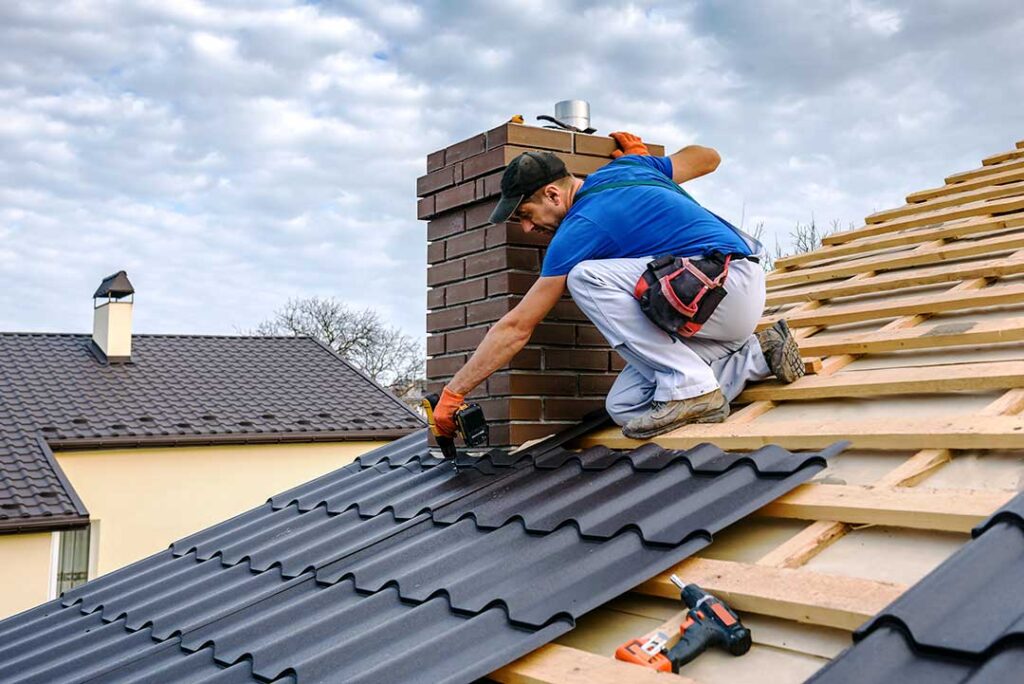
Cool roofs are designed to reflect more sunlight and absorb less heat than conventional dark roofing. For households in Ithaca, NY, that can mean cooler upper floors during sunny weather, less strain on air-conditioning equipment, and a roof surface that experiences lower temperatures during the summer.
The benefits are real, but they depend on the building, roof design, insulation, ventilation, and the type of roofing material selected. A cool roof is not automatically the right choice for every home or building.
What makes a roof “cool”?
A cool roof has a surface that reflects a relatively high amount of solar energy and releases absorbed heat efficiently. These characteristics are often described through two measurements:
- Solar reflectance: How much sunlight the roof reflects instead of absorbing.
- Thermal emittance: How effectively the roof releases heat after it has absorbed solar energy.
Light-colored roofing commonly reflects more sunlight than dark roofing, but color alone does not tell the entire story. Some roofing products use specially formulated surfaces that provide improved reflectance without appearing bright white.
A cool roof may be made from reflective shingles, coated metal, single-ply membrane, modified bitumen, tile, or another roofing material. The most suitable option depends on the roof slope, structure, appearance, installation method, and expected service conditions.
Can a cool roof lower indoor temperatures?
Yes. A reflective roof can reduce the amount of solar heat transferred into the attic and living space below it. The effect is usually most noticeable on upper floors, finished attic rooms, and buildings with limited shade.
On a sunny summer afternoon, a dark roof can become much hotter than the surrounding air. A reflective surface generally stays cooler, which reduces heat moving through the roof assembly. Homes without central air-conditioning may feel more comfortable, while homes with cooling equipment may reach the desired temperature with less run time.
The result varies considerably. A well-insulated attic with effective air sealing may already limit heat transfer, so the additional indoor benefit from a cool roof may be modest. A poorly insulated or inadequately ventilated roof may show a more noticeable difference, although improved insulation and ventilation are still necessary.
How can reflective roofing affect energy use?
The primary energy benefit is reduced cooling demand. Less heat entering the building can lower electricity use during warm, sunny periods and may reduce peak demand when many households are using air-conditioning at the same time.
This benefit is often more significant in buildings with:
- Large, sun-exposed roof areas
- Finished upper floors
- Minimal tree or nearby-building shade
- Air-conditioning equipment
- Dark roofing that absorbs substantial solar heat
- Attics with limited insulation or air sealing
The savings are not guaranteed to be large in every home. Ithaca has a heating-dominated climate, so annual heating needs generally exceed annual cooling needs. That makes roof insulation, air sealing, moisture control, and proper ventilation especially important. A reflective surface can reduce summer heat gain, but it cannot replace insulation or correct problems elsewhere in the building envelope.
Does a cool roof help during Ithaca winters?
A cool roof does not provide the same benefit in winter that it provides in summer. Because it reflects more sunlight, it may absorb slightly less solar heat during cold-weather daylight hours. In some buildings, that can create a small heating penalty.
For local homes, the winter effect should be considered alongside the roof’s full performance. A roof with sufficient insulation can limit unwanted heat loss regardless of surface color. Snow cover also changes how much sunlight reaches the roofing surface, while cloud cover, roof orientation, and shading affect solar exposure throughout the year.
For this reason, choosing a reflective roof should not be based only on summer energy savings. The roof assembly should be evaluated as a complete system, including insulation depth, air leakage, ventilation, underlayment, drainage, and resistance to ice and moisture.
Can cool roofs last longer?
Lower roof temperatures may reduce thermal stress on some roofing materials. Repeated heating and cooling causes materials to expand and contract, and high surface temperatures can accelerate aging in certain products. A cooler surface may help reduce that stress over time.
However, service life depends on far more than reflectance. Installation quality, wind exposure, snow and ice, foot traffic, ponding water, ultraviolet exposure, flashing details, and maintenance all matter. A reflective roof that is poorly installed will not necessarily outperform a conventional roof that is correctly designed and maintained.
Roof color also does not prevent common problems such as blocked drainage, damaged flashing, inadequate attic ventilation, or leaks around penetrations.
Are cool roofs useful for buildings without air-conditioning?
They can be. In a building without mechanical cooling, reducing heat absorbed through the roof may improve comfort during hot spells. This can be particularly helpful in upper-floor rooms where heat tends to collect.
The comfort benefit may be greater when combined with practical measures such as:
- Closing blinds or shades during intense afternoon sun
- Using nighttime ventilation when outdoor temperatures fall
- Sealing attic air leaks
- Installing adequate insulation
- Keeping roof and attic ventilation paths clear
- Reducing heat-producing activities during the warmest part of the day
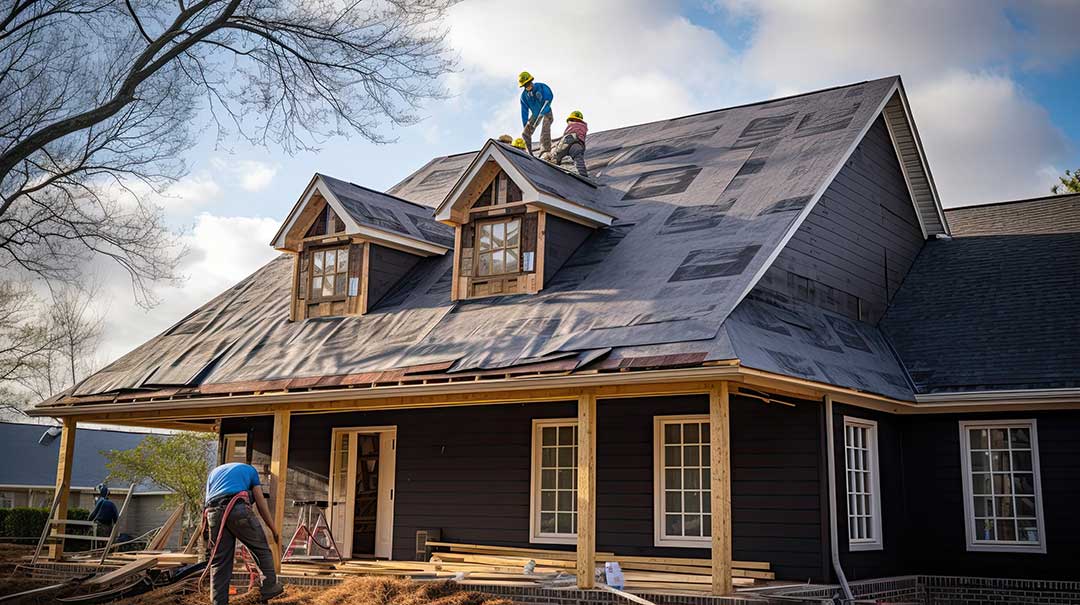
A cool roof cannot eliminate indoor heat from windows, appliances, occupants, or humid outdoor air, but it can address one significant source of summer heat gain.
What are the environmental benefits?
A roof that reduces air-conditioning demand can indirectly reduce the fuel and emissions associated with electricity production. Reflective roofs may also help reduce localized heat buildup in areas with many buildings and paved surfaces.
The community-wide effect is most noticeable where many large roofs are close together, such as commercial areas, apartment buildings, warehouses, and other densely developed settings. For an individual home, the environmental benefit is usually connected more directly to reduced cooling energy than to a measurable change in surrounding air temperature.
Environmental performance also depends on the roof’s material, expected lifespan, maintenance needs, and disposal requirements. A durable roof that remains serviceable for many years may avoid the material waste associated with frequent replacement.
Is a cool roof the right choice for every home?
No. A reflective roof may be especially useful for a building with a broad, exposed roof and significant summer cooling demand. It may provide less value for a shaded home, a heavily insulated attic, or a building with very little air-conditioning use.
The decision should account for:
- Roof slope and orientation
- Existing roofing condition
- Attic insulation and ventilation
- Summer cooling needs
- Winter heating needs
- Snow, ice, and moisture exposure
- Appearance requirements
- Expected maintenance and replacement timing
- Local building requirements and product specifications
Replacing a sound roof solely to obtain a reflective surface may not be financially or environmentally sensible. In many cases, cool-roof benefits can be considered when a roof is already due for replacement.
What should residents look for when comparing options?
Product information should include more than a color name. Ask whether the roofing material has tested solar reflectance and thermal emittance values, whether it is appropriate for the roof slope, and whether the system is compatible with local weather conditions.
For an existing home, it is also useful to check the attic before making a decision. Insulation gaps, air leaks, moisture staining, blocked soffit vents, and inadequate exhaust ventilation can affect comfort and roof performance more than surface color alone.
A cool roof works best as part of a complete roof system: a durable outer surface, reliable flashing, proper drainage, sufficient insulation, controlled air leakage, and ventilation suited to the structure.
