
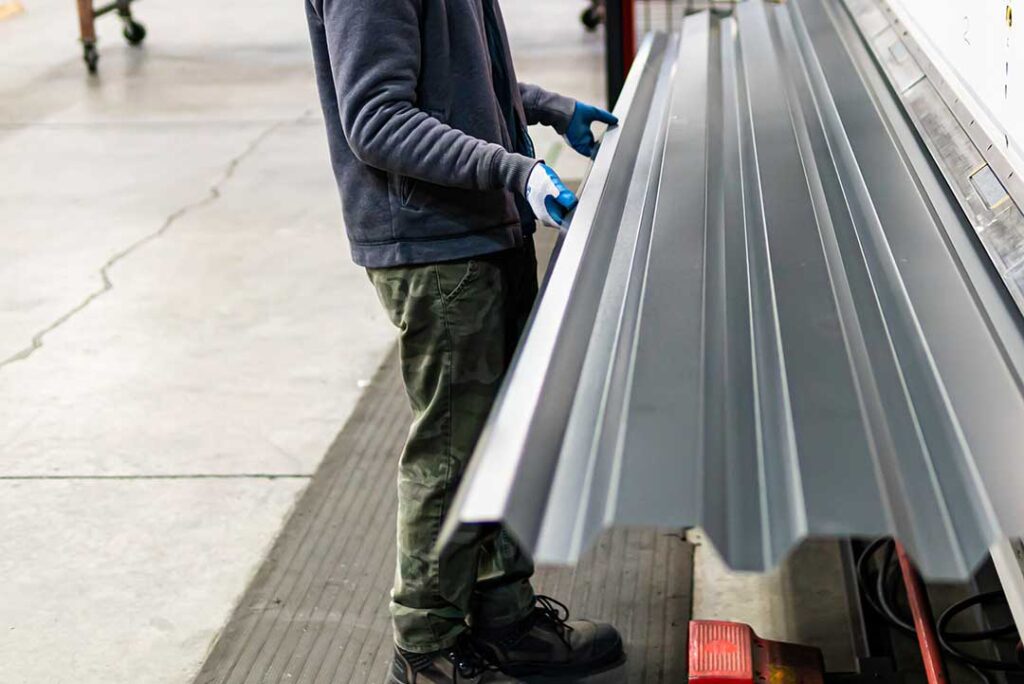
Rain noise can be reduced, but the most effective solution depends on how sound is entering the home. Roof material matters, yet attic insulation, the roof deck, ceilings, skylights, gutters, and even room furnishings can influence how loud rainfall seems indoors.
Why does rain sound loud on some roofs?
Rain is usually loudest when drops strike a hard, lightly supported surface that can vibrate. Metal roofing, thin roof panels, exposed roof decking, and certain low-slope roof assemblies may transmit more sound than a roof with heavier materials and a well-insulated attic.
The sound can become more noticeable when:
- The roof deck is exposed inside an attic or finished ceiling.
- The attic contains little insulation.
- Rain falls directly onto a metal roof without a solid underlayment or supporting surface.
- Gutters or downspouts are loose, partially blocked, or positioned close to windows.
- A skylight or roof vent has a thin frame or lightly insulated shaft.
- Heavy rainfall strikes one section of the roof repeatedly.
- Wind causes roofing materials, flashing, or gutter parts to vibrate.
A roof does not need to be defective to sound noisy. Some sound is a normal result of rain hitting the exterior. The goal is usually to reduce vibration and improve sound absorption rather than eliminate every outdoor sound.
Does roof material make the biggest difference?
Roof material affects rain noise, but it is only one part of the assembly. A metal roof may sound louder than asphalt shingles if it is installed over open framing or a lightly supported deck. The same metal roof can be noticeably quieter when installed over solid sheathing, a suitable underlayment, and a ceiling or attic system with sufficient insulation.
Asphalt shingles generally produce less sharp impact noise because their layered, textured surface breaks up some of the sound. However, a shingle roof over an uninsulated attic can still transmit rain noise into upper rooms.
Changing roofing material solely to reduce noise is rarely the first step. A roof replacement is a major project, and the sound difference may be smaller than expected if the attic, ceiling, or roof deck remains unchanged. Existing construction should be assessed as a complete system.
Can attic insulation reduce rain noise?
Yes. Adding or improving attic insulation is often one of the most practical ways to reduce rain noise in rooms beneath a roof. Insulation absorbs some airborne sound and reduces the open space through which vibration travels.
For sound control, the type and installation quality both matter. Insulation should be continuous, properly fitted around obstructions, and installed without compressing materials that rely on thickness. Gaps around attic hatches, recessed lights, ductwork, plumbing penetrations, and framing can allow sound to pass through more easily.
In a cold, snowy climate, attic insulation also supports moisture control and energy efficiency. It must not block soffit ventilation or cover ventilation pathways. A poorly arranged attic can create condensation or ice-dam problems even if the room becomes quieter.
Insulation placed between roof rafters can help in some finished-attic designs, while insulation placed between ceiling joists is more appropriate for a conventional unconditioned attic. The correct location depends on the building’s ventilation and heating design.
What can be done if the attic is finished?
Finished attic rooms often receive more rain noise because the ceiling follows the roofline and there is less space for insulation. Several improvements may help:
- Add sound-absorbing insulation between rafters where the assembly allows it.
- Seal gaps around electrical boxes, trim, vents, and ceiling penetrations.
- Use resilient channels or other methods that reduce direct vibration between framing and ceiling materials.
- Add a second layer of gypsum board when the structure can support the added weight.
- Improve the insulation and air-sealing around knee walls and attic access panels.
These changes should be planned carefully. Finished roof cavities need adequate ventilation, and insulation must not press against roofing materials where an air channel is required. Blocking ventilation can trap moisture beneath the roof and shorten the life of the roof assembly.
Do gutters and downspouts make rain noise worse?
They can. A gutter may produce a tapping, rattling, or rushing sound that seems like roof noise, especially near bedrooms or walls with windows. Downspouts can also amplify the sound of water flowing through a narrow metal channel.
Check for simple causes:
- Loose gutter sections or hangers
- Missing end caps
- Downspouts rubbing against siding
- Leaves or sediment causing water to spill over
- Water dropping from the roof edge into a lower gutter
- A downspout discharge area that creates a hollow or splashing sound
Cleaning gutters can improve water flow, but it does not always solve noise. Loose components may need fastening, and a downspout may need a more secure connection or a different discharge arrangement. Any work near a roof edge or ladder should be approached cautiously, particularly during wet or icy conditions.
Are skylights a common source of rain noise?
Skylights can make rainfall sound louder because the glazing is a hard, exposed surface located directly above the room. The shaft connecting the skylight to the ceiling may also act as a sound path.
Noise may be reduced by improving insulation around the skylight shaft, sealing air gaps, and using interior shades or blinds that add a small amount of sound absorption. A shade will not stop impact noise, but it can soften the sound inside the room.
If a skylight suddenly becomes noisier, check for signs of a different problem, such as loose trim, movement, water staining, or damaged flashing. New sound accompanied by leaking or drafts should not be treated as a simple comfort issue.
Can interior changes make a noticeable difference?
Yes. Soft materials inside the room can reduce reverberation, even though they do not change the roof itself. This is especially useful in bedrooms, offices, and finished attic spaces with hard floors and bare walls.
Helpful changes may include:
- Area rugs or carpeting
- Curtains or fabric window coverings
- Upholstered furniture
- Bookshelves or other irregular surfaces
- Acoustic ceiling panels designed for interior use
- A solid, well-sealed attic access door
These measures work best when combined with roof or attic improvements. They are also useful for renters or homeowners who do not want to alter the roof assembly.
Should rain noise ever be treated as a roofing problem?
Rain noise may indicate a roofing or building problem when it is new, uneven, or accompanied by other symptoms. Pay attention to:
- Rattling or drumming during light rain
- Sudden changes after wind or a storm
- Water stains, damp insulation, or musty odors
- Loose flashing, vents, or roofing materials
- Gutter overflow or water entering at roof edges
- Cracking or movement in a finished ceiling
Seasonal freeze-thaw cycles, heavy snow, wind, and ice can loosen exterior components over time. A roof that sounds different after a storm should be inspected from a safe location. Walking on a wet, steep, icy, or snow-covered roof creates unnecessary fall risk.
What is the most practical order of improvements?
For many homes, a sensible sequence is to identify the loudest source first, then address the least invasive cause. Start by listening during rainfall from different rooms. Determine whether the sound comes from the roof surface, a skylight, gutters, downspouts, attic access, or interior reverberation.
Next, check visible attic conditions, insulation coverage, access panels, and signs of moisture without disturbing roofing materials. Correcting loose gutters, sealing obvious air gaps, and improving attic insulation may provide more benefit than replacing an otherwise serviceable roof.
If the roof is already near the end of its useful life, noise reduction can be included in broader roof planning. A solidly supported deck, appropriate underlayment, good attic insulation, and careful flashing details can improve both comfort and long-term durability.
